Elevator Magazine news update for September 11, 2026

Latest

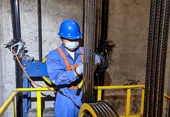
If the elevator gets stuck, you should stay calm and avoid panicking. Do not attempt to pry the doors open or escape by any means. Instead, press the alarm button or use the phone to contact the technical support team. Modern elevators are equipped with Automatic Rescue Devices (ARD) or Emergency Power Systems (UPS) to safely return the cabin to the nearest floor.

After installation, an elevator must undergo a safety inspection before being put into operation. This inspection is carried out by authorized regulatory bodies to ensure the elevator meets all technical safety standards.

Yes, absolutely. Renovating a staircase to install an elevator is an effective solution for houses that were built without a designated elevator shaft. However, a thorough structural assessment is required to ensure that the building can bear the load and that the renovation does not affect the overall architecture. This solution is commonly applied to home elevators.

It should not. Installing a hydraulic elevator with an open shaft poses serious safety risks and does not comply with current safety regulations. Although this type of elevator may be advertised as space- and cost-saving, the associated hazards should not be underestimated.

A fire-fighting elevator is a specialized type of elevator designed to support rescue and fire-fighting operations in high-rise buildings. It differs entirely from conventional elevators in features such as fire-resistant and smoke-proof construction, an independent power supply system, and more.

According to Article 605 of the 2015 Civil Code on compensation for damage caused by houses or other construction works: The owner, possessor, or person assigned to manage or use a house or construction work must compensate for damage caused by that house or construction work. If the constructor is at fault for allowing the house or construction work to cause damage, they must share joint liability for compensation.

Elevator maintenance is extremely important to ensure safety and prolong the lifespan of the equipment. Regular maintenance helps detect potential failures early and ensures stable operation. The optimal maintenance frequency is monthly, or at least once every three months, in accordance with QCVN 32:2018/BLĐTBXH on Occupational Safety for home elevators.

An elevator in the middle of an over-800-year-old ancient palace

An elevator in the middle of an over-800-year-old ancient palace

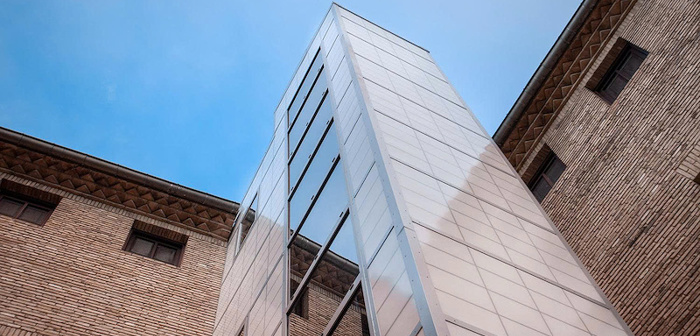
EM – For nearly three decades, the staircases in the Palace of the Kings of Navarre were an obstacle for many members of the public who wanted to view the art collections. An elevator has helped the Gustavo de Maeztu Museum become more accessible to more people, while also bringing a previously closed courtyard back into the life of the building.

One million social housing units: An opportunity for the elevator industry

One million social housing units: An opportunity for the elevator industry

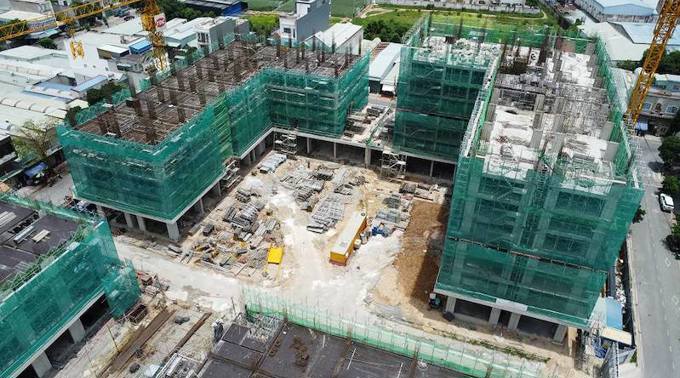
EM – Hundreds of thousands of social housing units are under construction and preparing for investment, creating demand for elevators, maintenance, and repairs. In this segment, equipment selection must take into account service capacity, accessibility, and the costs that residents have to pay during use.

The Elevator Magazine No.14

The Elevator Magazine No.14

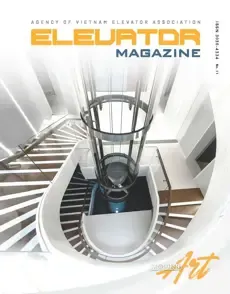
Elevator Magazine No.14

Advise
Member