



People sell their homes for many reasons, such as needing money urgently or planning to upgrade to a better house... However, when sharing his own story of selling his home, Mr. Ma from Hangzhou (China) gave a very special reason: "I don't want to wait for the elevator anymore."
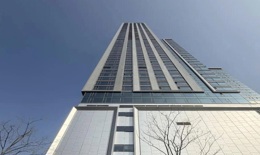
The Zhencheng Xingfuli project (in northern Hangzhou) was once the center of attention in Hangzhou's real estate market, with hundreds of thousands of people scrambling to register.
"When we won the purchase lottery, my whole family was extremely excited, feeling incredibly lucky. But after actually moving in, I felt there wasn't a single day without frustration. My home is on the 40th floor, and every day when going out, I have to wait over 20 minutes for the elevator," said Mr. Ma, adding that his family has been living there since 2023.

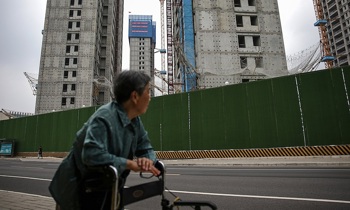
The Zhencheng Xingfuli project - where Mr. Ma was once lucky enough to buy. (Photo: QQ).
Mr. Ma's decision to sell the house faced opposition from his family, as the apartment was purchased through a lottery with very low odds, and the current market makes it difficult to sell at the expected price. Nevertheless, he firmly believes that a home must first meet the living and psychological needs of its occupants, rather than being just an investment asset.
Mr. Ma's decision also reflects a practical trend gradually taking shape in China's major urban areas: people are leaving super high-rise buildings to seek lower-density living spaces.
According to surveys, apartment prices in this project once peaked at around 40,000 yuan/m² (equivalent to 140 million VND). However, currently, top-floor apartments like Mr. Ma's are being traded at lower prices, even lower than ground-floor units – a location typically considered disadvantageous due to noise and privacy concerns.
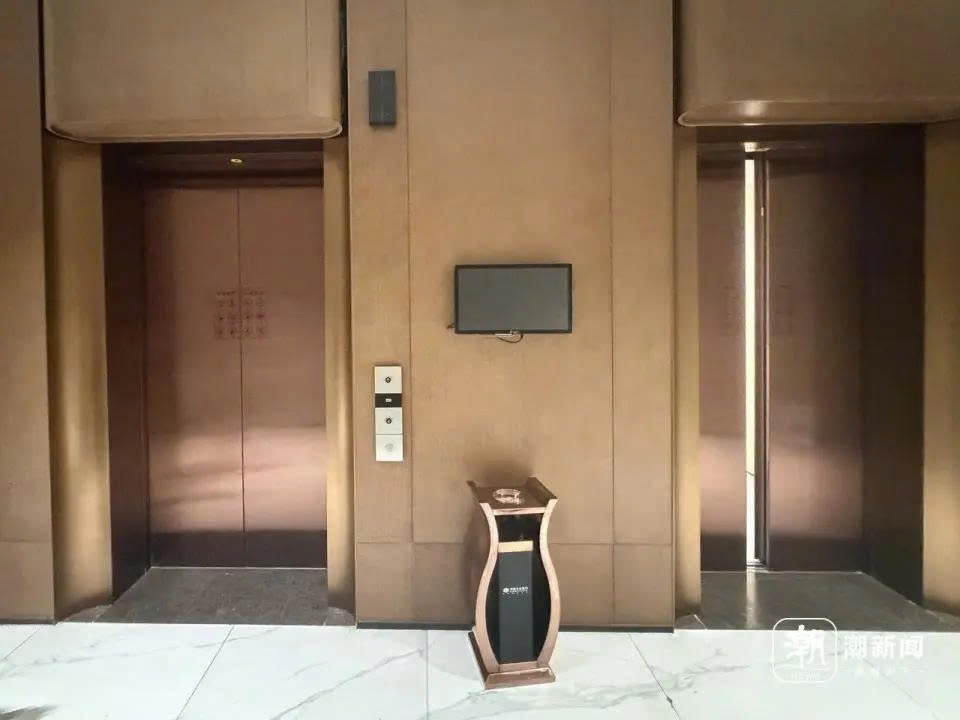

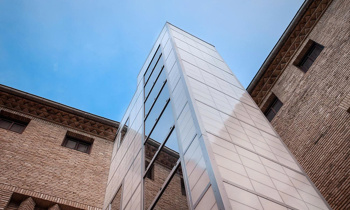
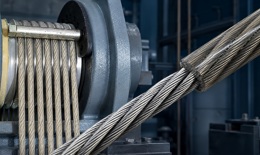
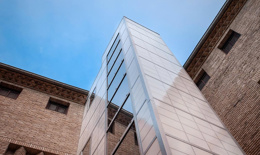
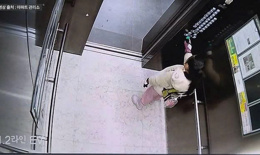
Elevators at the Zhencheng Xingfuli project.
The Zhencheng Xingfuli project is designed with a density of 3 elevators serving 4 apartments per floor, in a building with a total of 40 floors. During off-peak hours, the travel time from the ground floor to the 40th floor takes less than 2 minutes, and the descent takes about 1 minute.
However, prolonged waiting mainly occurs during the morning peak hours (7-8 AM) or when the system experiences technical issues.
A resident living on the 20th floor said that under normal conditions, the elevators operate quite quickly, but in the mornings, they frequently stop to pick up passengers on many floors, prolonging travel time. According to this person, the 20-minute figure is somewhat a psychological perception when in a hurry, but waiting about 10 minutes is not uncommon.
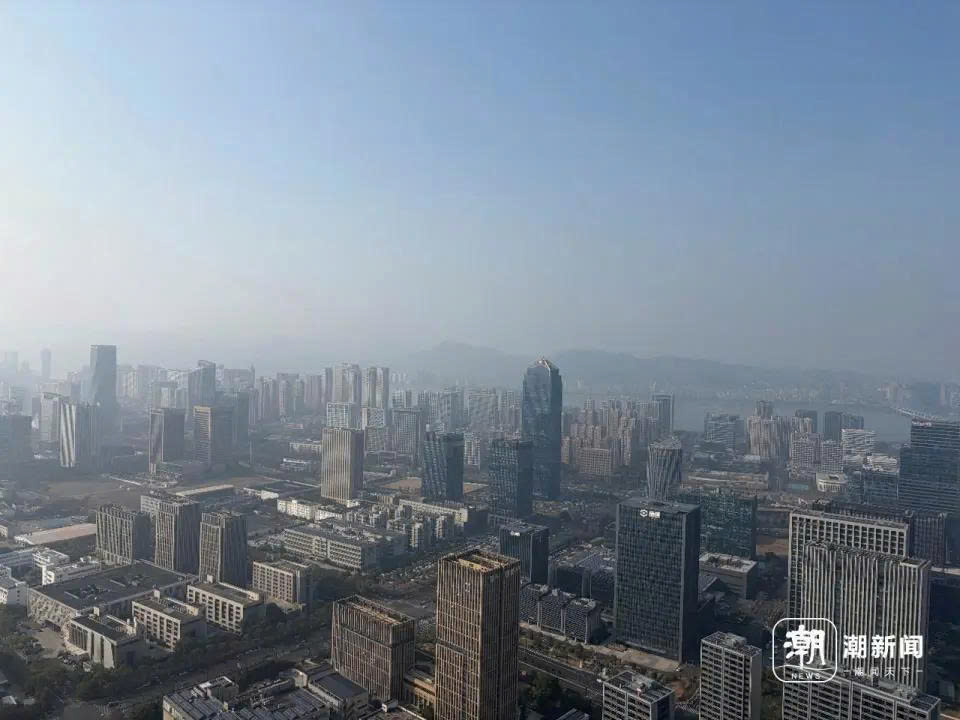
Hangzhou City, China
For many years, super high-rise buildings have been seen as symbols of urban development. In Hangzhou, a series of skyscrapers along both banks of the Qiantang River have helped shape the city's modern skyline. Alongside commercial buildings, many super high-rise residential projects have also been developed, typically understood as structures with 40 floors or more or exceeding 100 meters in height.
According to statistics, Hangzhou currently has at least 9 super high-rise residential areas with over 40 floors. Among them, the Ao Xuan Cheng project (in Xinjiang District) is the largest, with 70 floors and a height limit of 250 meters. Xinjiang District is also the area with the highest concentration of super high-rise residential projects.
However, alongside this development, housing preferences are shifting. More and more people are considering moving from high-rise buildings to lower-density residential areas. From a safety perspective, the expansion of super high-rise housing is no longer encouraged.
In 2021, China's Ministry of Housing and Urban-Rural Development and the Ministry of Emergency Management issued regulations requiring residential projects taller than 80 meters to seek input from firefighting authorities to ensure compatibility with local rescue capabilities. Since May 2025, China has also tightened regulations, restricting the new construction of residential buildings taller than 80 meters.