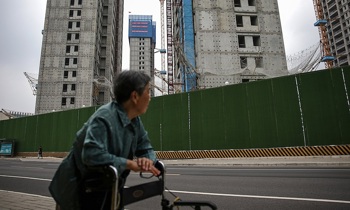




In reality, many older homes have been given a fresh exterior makeover while their internal structures remain severely degraded. Cracks in columns and beams are often merely patched with cement for cosmetic purposes, while shaky, damaged staircases reveal poor original construction quality. Overlooking these issues can leave homebuyers facing exorbitant repair costs in the future.
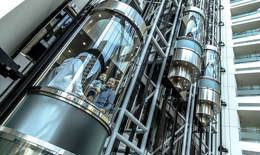
The same risks apply to home elevators — a feature that significantly increases property value, improves accessibility, and enhances convenience — yet can become a serious liability if not thoroughly inspected. A poorly assessed elevator system can turn into a costly “ticking time bomb” in terms of both safety and finances.

Today, the presence of a home elevator is increasingly regarded as one of the key deciding factors for prospective buyers.
A professional pre-purchase inspection and evaluation of the elevator allows buyers to gain a clear understanding of its true condition, ensuring the system is safe, operates reliably, and complies with current regulations — thereby avoiding unexpected and substantial repair expenses down the line.
Why Inspect and Evaluate the Elevator Before Purchasing?
Unlike commercial elevators, those installed in private homes and villas are not always subject to strict ongoing supervision regarding maintenance, servicing, or periodic certification. This means technical faults, wear-and-tear, and safety hazards can easily go unnoticed.
A comprehensive professional inspection helps buyers clearly identify:
- Safety risks: Whether the elevator operates according to standards and meets all safety requirements.
- Mechanical wear: Worn-out components that need repair or replacement.
- Legal and regulatory compliance: Whether the elevator meets national and international safety standards.
- Hidden future costs: Realistic estimates for future maintenance, repairs, and upgrades.
Key Items in a Home Elevator Inspection and Evaluation
To accurately determine the real value and safety condition of a residential elevator, experts conduct a thorough assessment covering multiple categories. The process begins with reviewing documentation and origins, then proceeds to mechanical integrity, safety features, and operational performance.
1. Documentation, History, and Origin of the Elevator
This is a crucial evaluation step to ensure the transparency and provenance of the equipment and the entire system. It helps the buyer understand the elevator's "biography," providing a basis for determining its real value and predicting future maintenance costs. Elevator experts will assess:
- Elevator History: Inspection of cargo documents (CO/CQ - Certificate of Origin/Quality), certification records, installation files, maintenance logs, etc.
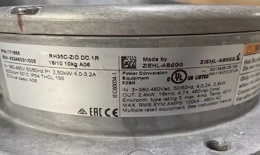
- Verification of Origin: Verifying the source of the elevator and its main components to avoid counterfeit or imitation goods.
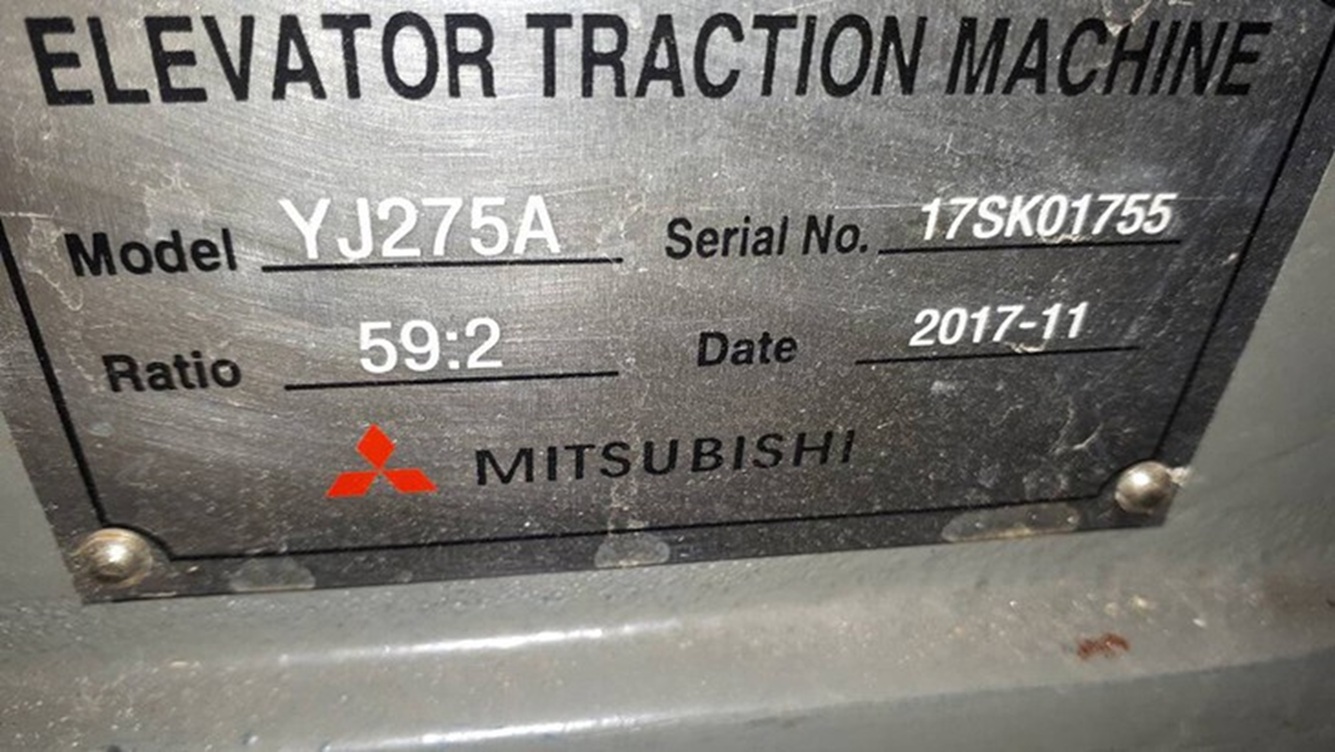
Many elevators and devices are labeled with major brands like Mitsubishi or Fujitec, but in reality, are counterfeit. (Reference image context: Counterfeit Mitsubishi elevators in the case of Hung Quang Company selling to Van Loc Phat Company in 2018).
2. Structural and Mechanical Integrity
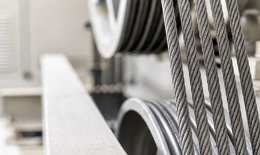
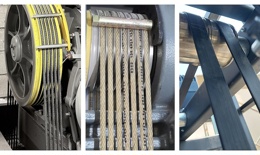
Experts will cross-reference actual installation specifications with manufacturer recommendations (if available) and the requirements of QCVN 02:2019/BLĐTBXH (National Technical Regulation on Occupational Safety for Elevators). Simultaneously, they will inspect for basic damages such as deformation in suspension cables, guide rails, pulleys, counterweights, and electrical panels.
- Verify alignment between actual technical parameters and manufacturer guidelines/QCVN 02:2019/BLĐTBXH.
- Inspect the shaft for cracks, deformation, rust, or obstructions that could affect cabin travel.
- Evaluate wear, tension, and alignment of guide rails, counterweights, and hoisting ropes.
- Assess the motor, braking system, and hydraulic components (if applicable) to ensure reliable performance and prevent sudden stops or loss of control.
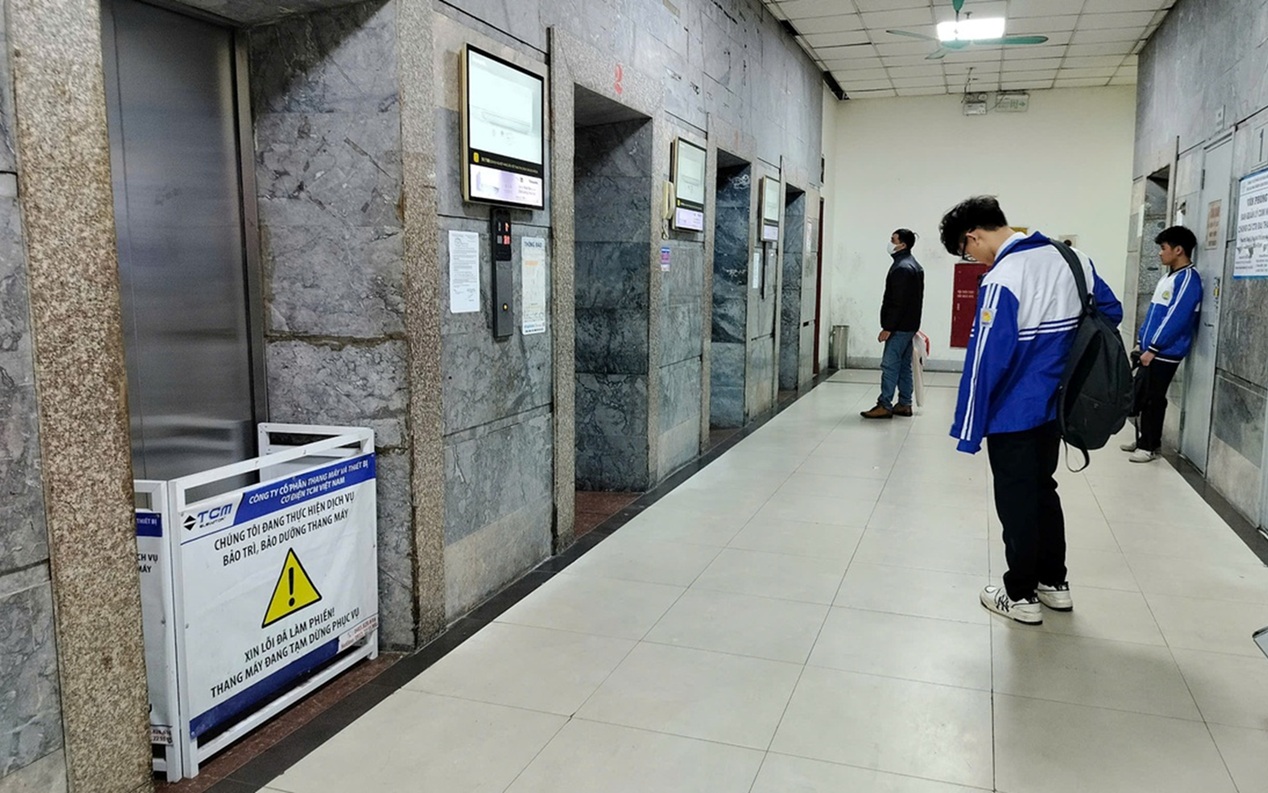
When purchasing an apartment, buyers should also carefully evaluate the building’s elevator system, as it serves as a reliable indicator of the management board’s commitment to maintenance, safety, and resident convenience.
3. Safety Features and Emergency Systems
This inspection ensures protective mechanisms function correctly in emergencies, allowing safe evacuation or external communication. Key checks include:
- Door Systems: Ensuring landing door locks, safety latches, and door sensors operate accurately to prevent door-related accidents.
- Emergency Protocols: Testing the emergency stop button, the Automatic Rescue Device (ARD), and backup power sources in the event of a blackout.
- Communication: Evaluating the in-cabin communication system (alarm bells, telephones, or intercoms) to ensure passengers can contact the outside world during a breakdown.
- Supplementary Features: Assessing additional manufacturer-provided features (e.g., anti-flood systems, stroke warning systems).
4. Operational Quality
Mục đích của việc kiểm tra này là đánh giá trải nghiệm người dùng và phát hiện các dấu hiệu bất thường trong quá trình vận hành, có thể cảnh báo nguy cơ tiềm ẩn trong tương lai.
- Độ êm ái và tiếng ồn: Đánh giá các chỉ số độ ồn, độ rung và độ giật thang máy để xác định chất lượng vận hành thang má
- Tốc độ và độ chính xác khi dừng tầng: Đo lường tốc độ di chuyển và kiểm tra xem thang máy có dừng chính xác tại vị trí bằng tầng hay không.
- Hệ thống cửa: Kiểm tra cơ chế mở/đóng cửa tự động và bằng tay để đảm bảo cửa hoạt động trơn tru.
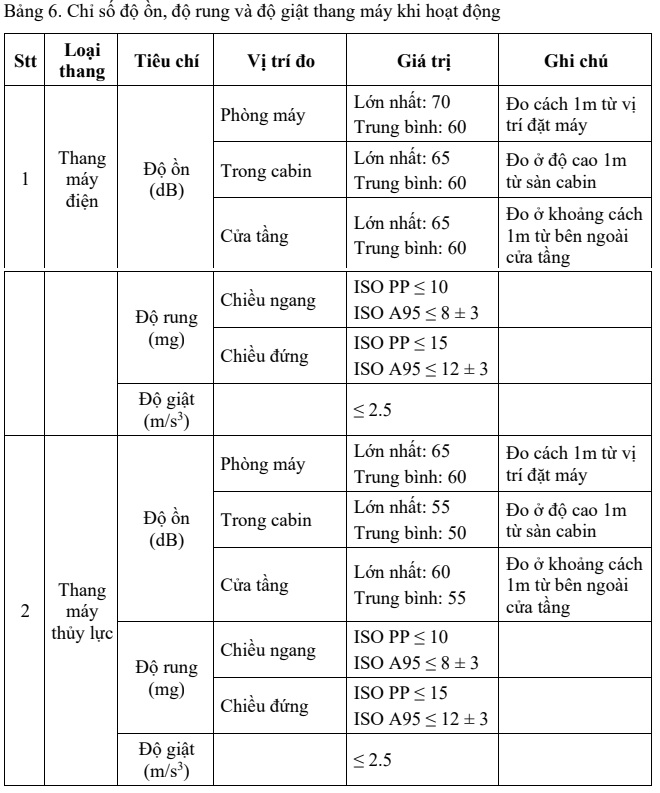
Noise, vibration, and jerking standards for elevators according to TCCS 01:2023/VNEA (General safety requirements for elevator management, use, maintenance, and repair)
5. Processing Inspection and Assessment Results
Based on the findings, experts will provide specific recommendations regarding the need to replace or upgrade components to fully meet current elevator safety regulations.
Furthermore, experts will estimate the costs for these categories—ranging from replacing end-of-life components and adding mandatory safety devices to planning upgrades according to new standards. This serves as a vital basis for the homebuyer to assess the overall value of the elevator system as well as the true value of the real estate asset.
What Should Buyers Do If the Elevator Has Significant Issues?
If the inspection reveals numerous problems, the buyer can proactively take steps to protect their interests. In cases where serious issues exist, the buyer can negotiate with the seller to conduct repairs and rectification prior to handover.
If the required repairs or upgrades are major, these costs can be used as leverage to adjust the purchase price. Even for minor defects that do not immediately threaten safety, the buyer should still budget for maintenance to ensure the long-term stable operation of the system.
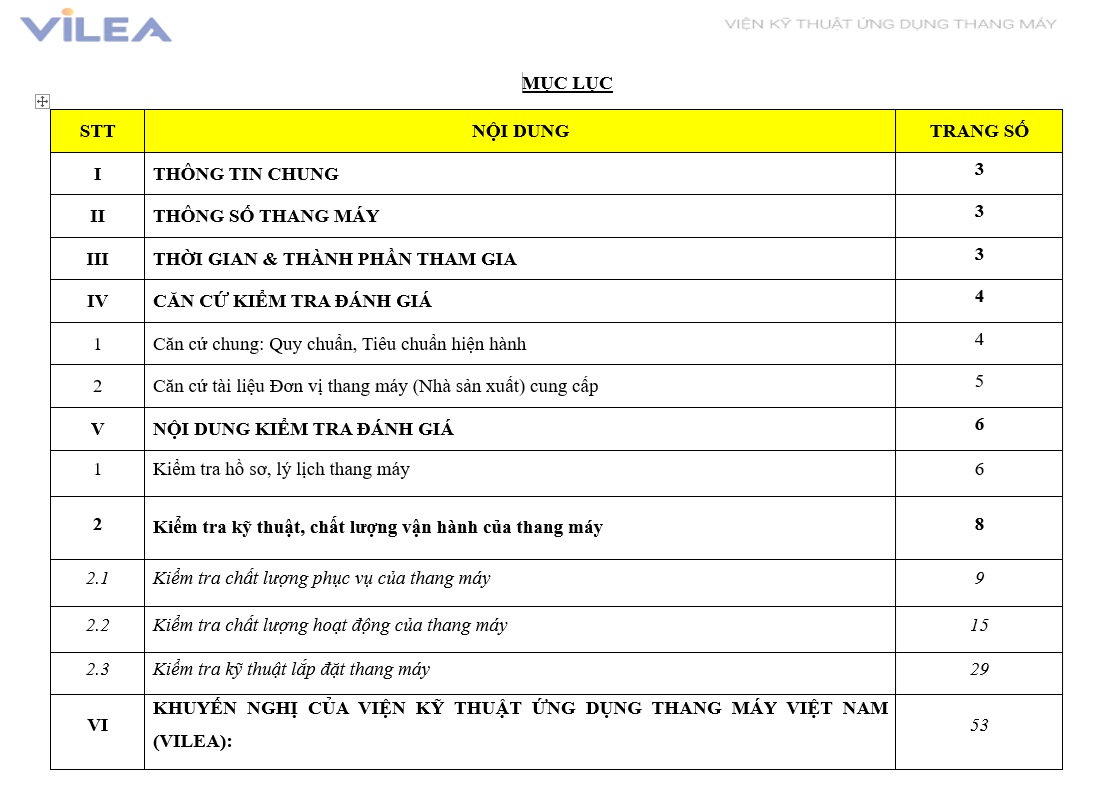
List of basic elevator inspection and assessment contents performed by the Center for Elevator Consulting – Research – Application, under the Vietnam Institute of Lift Engineering Application - VILEA
An independent elevator assessment expert provides an objective, detailed view, ensuring no risks are overlooked. Experienced professionals in this field help buyers visualize the "full picture" before committing to a large investment.
A home elevator is a valuable asset to a property, but only when it is safe and operates stably. Inspection and assessment before purchase not only bring peace of mind and prevent unexpected costs but also ensure that the journey of owning a new home is a sound and sustainable investment.
https://tapchithangmay.vn/xu-huong-lap-dat-thang-may-kinh-tron-tai-cac-biet-thu-nha-pho/