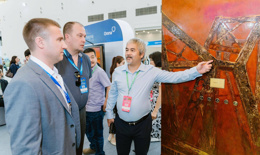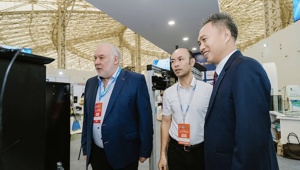




Dao Truong Nguyen - Director of Dai Vinh Hung Elevator Company Limited
Market expansion brings with it the emergence of more and more businesses. On the surface, this paints a rather vibrant picture: there are international brands, numerous domestic enterprises, and a variety of business models. But alongside this crowded landscape, a feeling increasingly clear among industry professionals is: why is the market still growing, yet selling elevators is becoming increasingly difficult?
When the market is crowded with sellers
Looking more closely, it's evident that most businesses in the industry today are still following a rather similar direction: selling complete elevators.
As more and more units operate in the same segment, competition is inevitable. And in many cases, the most visible competitive factor remains the selling price.
This makes the market prone to a familiar cycle:
- Customers compare prices
- Businesses lower prices
- Profit margins shrink
- Long-term investment capacity is constrained.
In the short term, price cuts may help a business win a project. But if prolonged, this competition leaves the entire market in a state of fatigue.

Look back 30 years ago, billion-dollar fields like mobile phones, biotechnology, or express delivery did not yet exist. Therefore, if we try to imagine the next 15-20 years, perhaps the thought-provoking question is not how large the current market is, but how many new fields will be formed.
An elevator is not just a product
A complete elevator system is essentially a combination of many components: from mechanical and electronic parts, control systems, to interior design and safety systems. Therefore, if we only see an elevator as a finished product to buy and sell, we are only seeing the tip of the industry's iceberg.
Behind it lies a very broad value chain, including:
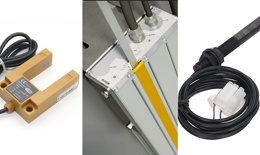
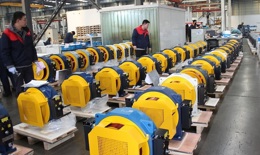
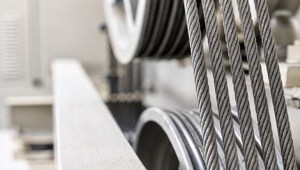
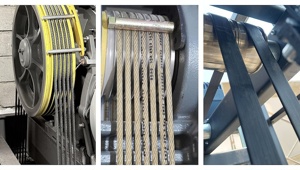
- Manufacturing mechanical components
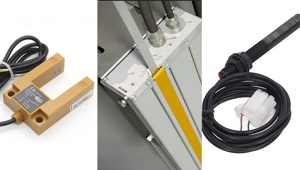
- Control equipment
- Door systems
- Safety devices
- Monitoring and operation solutions
- Cabin decoration and interiors
Current reality shows that many of these categories in Vietnam still rely heavily on imported sources. This also means that within the industry's value chain, there are still quite a few gaps.
If businesses take a broader view, the pressure of pure price competition may lessen. More importantly, this is also a way to gradually build domestic technical and manufacturing capabilities - something any industry needs for long-term development.
A sustainable industry is not built solely from sales units, but also from businesses participating in different links of the value chain.
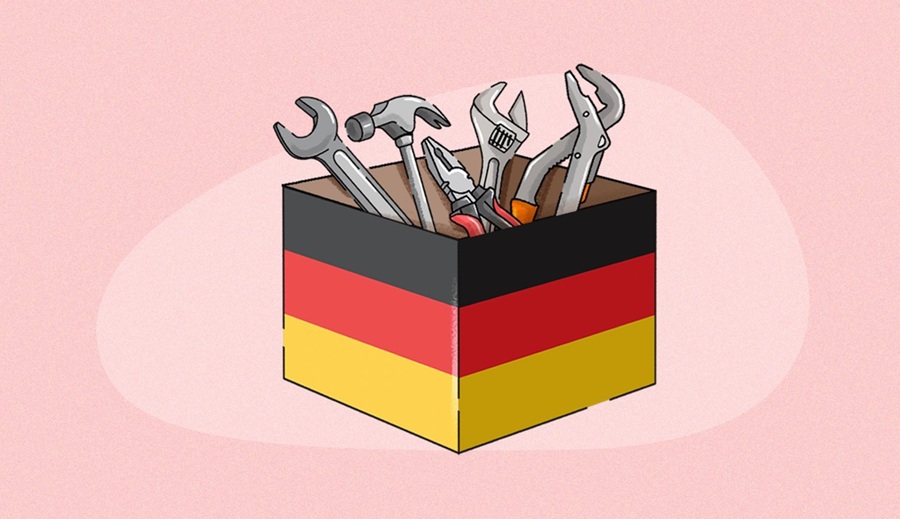
Instead of thinking about doing everything and becoming gigantic, the 'hidden champions' in Germany choose to follow a path of focus and deeper specialization in their core field and products.
A line of thought for the future
Therefore, when looking at the future of Vietnam's elevator industry, the question might not just be how to sell more elevators.
More importantly: How deeply can Vietnamese businesses participate in the industry's value chain?
The market still has many gaps. And sometimes, opportunities lie not where the competition is fiercest, but in less-noticed segments that hold long-term value.
In that context, a shift in mindset – from pure trading to a more industrial approach – could be the key for Vietnamese businesses to find a sustainable development path for themselves, and for the entire elevator industry in the future.