



Mr. Pham Hoang Phuong is a Master of Architecture and an architect with many years of experience in design and scientific research within the fields of architecture, urban planning, and urban development management.
Mr. Phuong is currently working at the National Institute of Architecture (Ministry of Construction).
THE NEGATIVE IMPACTS OF STORMS AND TYPHOONS ON ELEVATOR SYSTEMS
Overall assessment indicates that the negative impacts of storms and typhoons on elevator systems are highly diverse, ranging from flooding and leakage to wind pressure increasing pressure within the hoistway. These factors significantly compromise the usability, comfort, and safety of elevator operations.
In a context where elevator systems play an "indispensable" role in high-rise apartment buildings and commercial centers, these disruptions cause not only inconvenience for residents and users but also pose life-threatening risks and escalate financial costs regarding repairs and damage control.
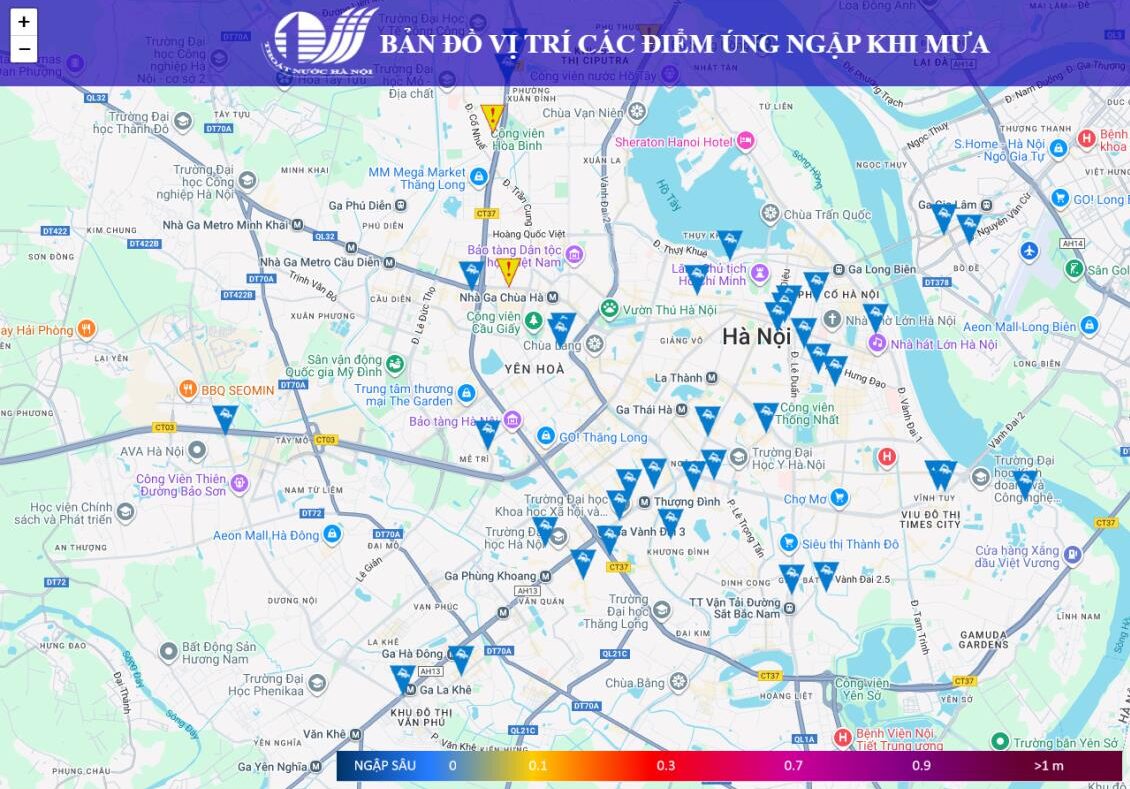
Figure 1: Map showing inundation points in inner-city Hanoi caused by Typhoon No. 5 (Bualoi) on the morning of October 2, 2025. (Source: Hanoi Sewerage and Drainage Limited Company website)
Regarding flooding caused by storms, in recent years—alongside the rapid development of high-rise buildings in major urban areas and the increasingly complex evolution of storm frequency and intensity—the potential safety risks posed by flooding to elevator systems have trended upward.
Specifically, in Hanoi, due to the impact of the circulation of Typhoon No. 10 (Bualoi), the historic rainfall on September 30, 2025, turned the entire urban area into a vast sea of water, with nearly 30 major inundation points within the inner city. Consequently, many new urban areas featuring high-rise buildings with significant height and volume could not avoid the negative effects of the flooding, which directly threatened their elevator systems.
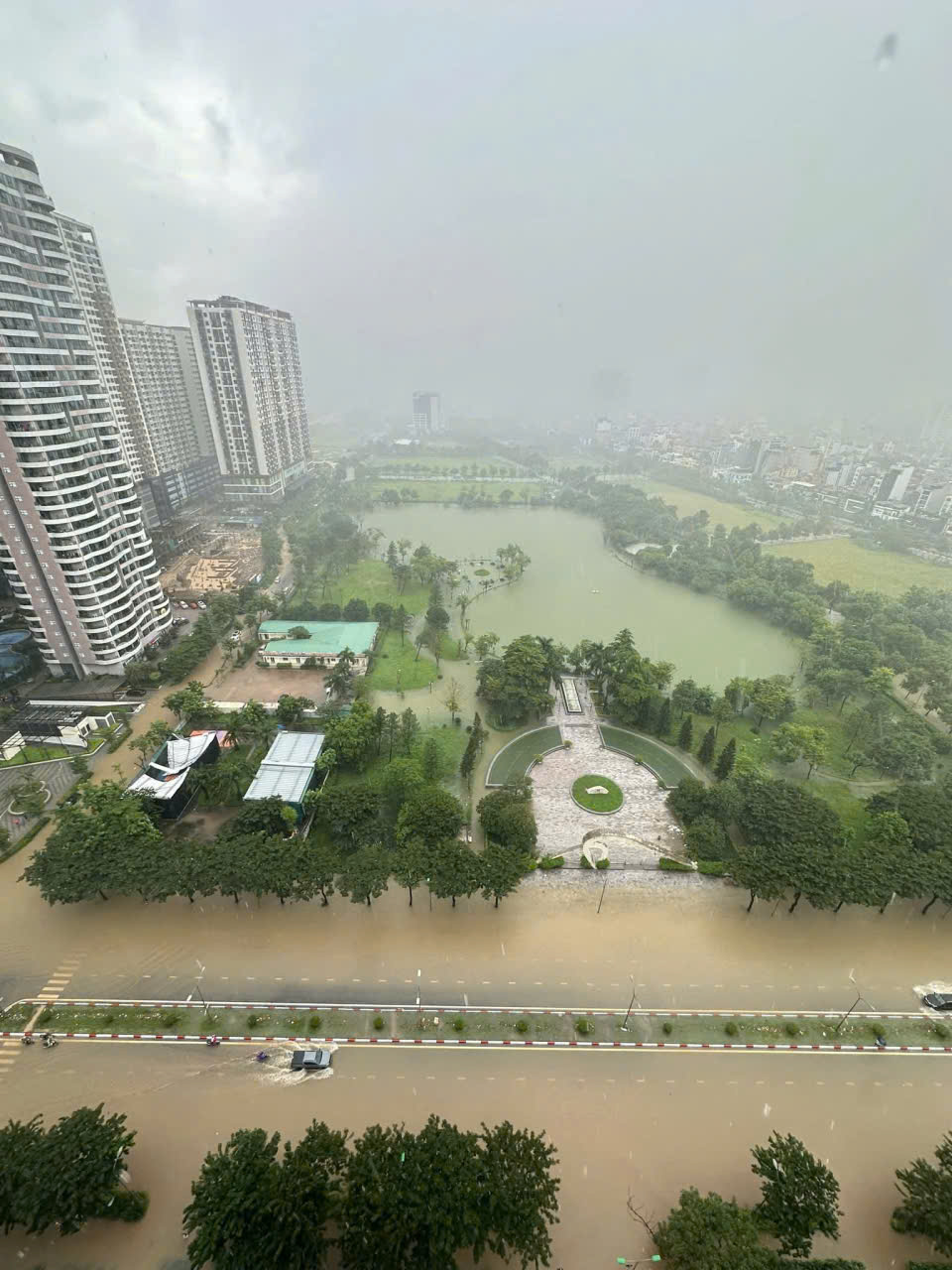
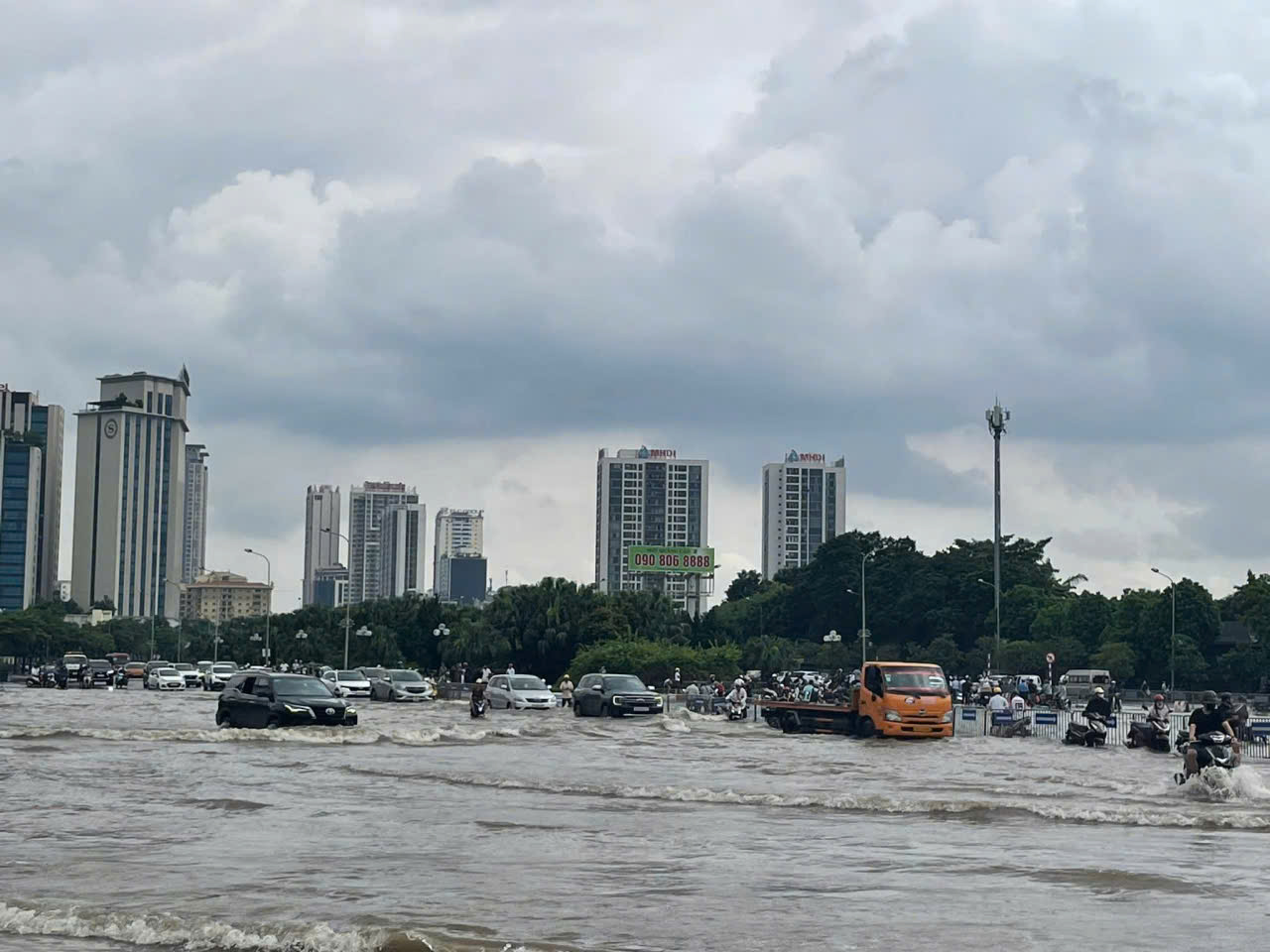
Figure 2: Images of high-rise apartment buildings in Hanoi submerged in floods during late September and early October 2025 due to the circulation of Typhoon No. 10 (Bualoi). (Source: Internet)
Prior to this, on August 26, 2025, due to the influence of Typhoon No. 5 (Kajiki), severe rainstorms threatened many urban areas and high-rise apartment complexes with inundation.
Directly, flooding can interrupt the operational capability of elevator systems in high-rise buildings. Residents are forced to use staircases to move from the ground floor up to apartments situated dozens of stories high. Furthermore, inundation can lead to accidents involving short circuits in mechanical and electrical (M&E) systems and elevator control units, resulting in substantial repair and remediation costs.


Figure 3: Image of the Ecohome 1 apartment building and its elevator system flooded due to the impact of Typhoon No. 5 (Kajiki) on August 26, 2025. (Source: Internet)
Furthermore, heavy rains cause leakage, leading to short circuits and fires in the elevator's M&E systems.
Additionally, during major storms, there have been numerous reports from residents regarding strong winds and tornadoes before and after storms increasing pressure within the hoistway. This causes situations where elevator doors fail to close, or the cabin shakes violently during movement.
TIMELY SOLUTIONS AND RECOMMENDATIONS ARE URGENTLY NEEDED
Although we have been fortunate that there have been no reports of casualties resulting from elevator incidents during the recent storms, the complex developments regarding the frequency and intensity of storms in many major cities pose a genuine threat to public safety. It is imperative to research, identify, and apply solutions to mitigate these adverse effects promptly, ensuring the safety of life and property. Crucially, these solutions must be applied synchronously across all stages, including design, construction, and operation.
Regarding Design: A standardized elevator structural design for high-rise buildings is essential. Research should focus on designing the ground floor elevation higher than the maximum regional flood level to limit water ingress into the lobby and hoistway. The structure of machine rooms on rooftops must be optimized to withstand the adverse effects of storms and prevent leakage from the roof. The surrounding walls and ventilation louvers of the machine room (if applicable) must ensure water tightness and waterproofing while possessing sufficient structural integrity to withstand wind pressure and rain driven through auxiliary partitions or covers.
Simultaneously, cabin design should incorporate sensor systems that allow for automatic opening and closing. These systems must ensure optimal ventilation and heat dissipation for the machine room while preventing rainwater from leaking or splashing directly into the machine room and hoistway—areas containing M&E systems susceptible to short circuits. Elevator pits must also be designed with active and effective natural and forced drainage systems. Designers should avoid locating elevator pits in low-lying areas prone to flooding, ensuring the shaft remains dry and unaffected by groundwater.
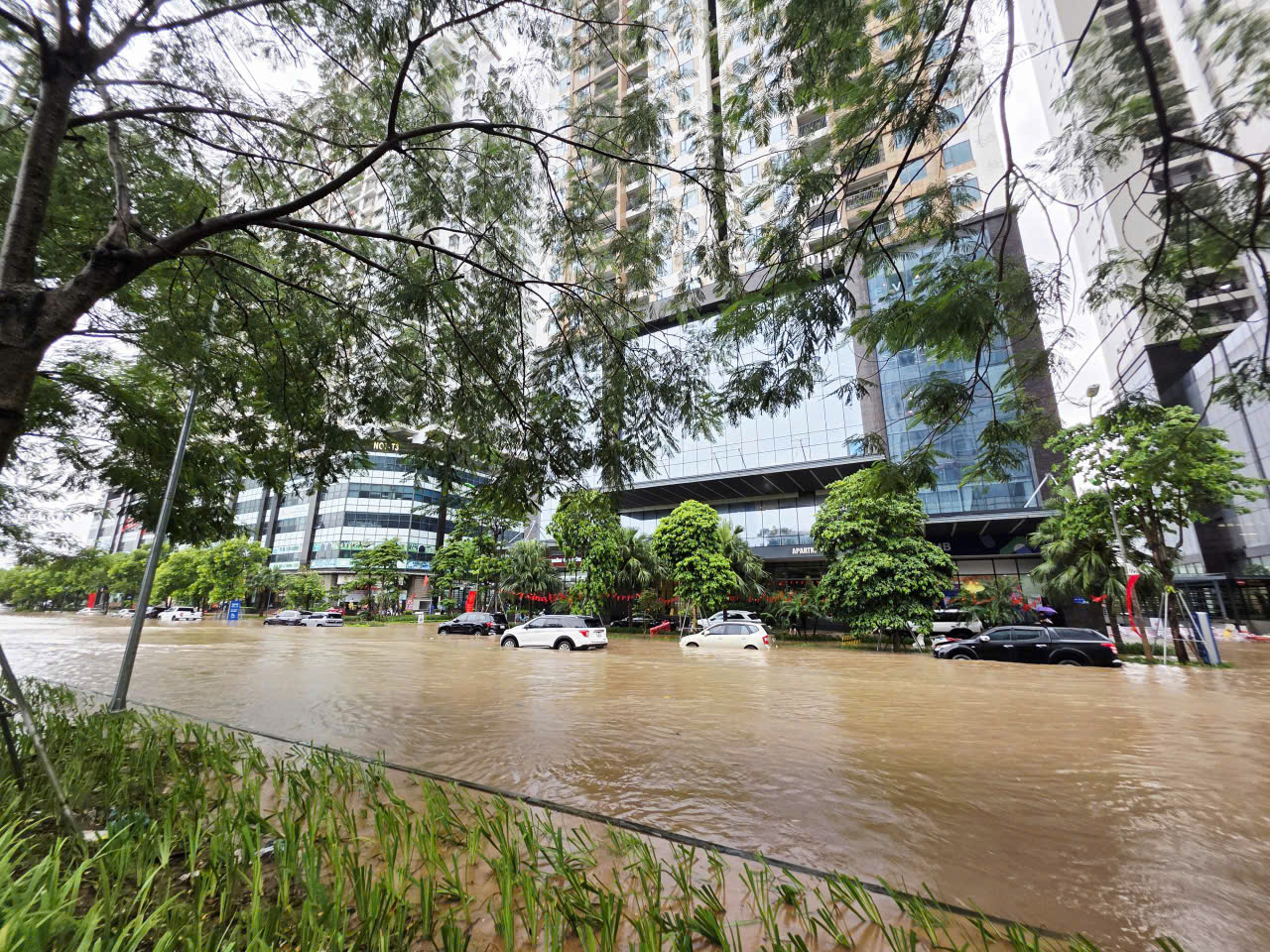
Figure 4: Due to the design and construction of the ground floor elevation being significantly higher than the flood water level, the high-rise apartment building in the Diplomatic Corps Urban Area (Hanoi) kept its elevator cabin completely dry and the system stable and safe, despite heavy street flooding outside caused by the circulation of Typhoon No. 5 (Kajiki) on August 26, 2025. (Source: Author)
Regarding Construction and Equipment Installation: For urban areas with complex wind and flood patterns, significant attention must be paid to the construction phase and equipment selection. Priority should be given to systems with high water tightness and water resistance to limit property damage caused by short circuits during water intrusion. Masonry and concrete components in the elevator shaft and machine room areas must meet standards to minimize leakage under storm pressure.
Elevator pits require thorough waterproofing during the initial construction phase. This includes installing waterstops during concrete pouring and applying both negative-side (internal) and positive-side (external) waterproofing solutions. High-quality waterproofing materials, such as bitumen or polymer-based membranes, should be prioritized to patch surfaces, cracks, fractures, and joints, thereby limiting direct rainwater infiltration into the shaft.
Select and equip elevator cabins with water-resistant capabilities to prevent control panel short circuits during leaks, as well as high stability under strong wind pressure. Research the installation of sensor systems to automatically warn of flooding, leakage, or strong gusts at sensitive locations, allowing the elevator to pause operations when such risks are detected within the shaft to minimize threats to human life.
Regarding Operation and Usage: In addition to maintaining a regular maintenance and repair team, a standard operating procedure (SOP) for elevators must be established swiftly so that residents and building staff can coordinate effectively. Priority should be given to maintenance and periodic inspection protocols following major storms. Regularly clear debris from elevator pits and roof drainage pipes near machine rooms to prevent water stagnation, leakage, and flooding. Furthermore, emergency response procedures for elevator systems during natural disasters, floods, and storms must be in place.
It is our hope that the elevator will always remain a safe and comfortable vertical transportation system for residents in high-rise buildings, regardless of the storms outside.