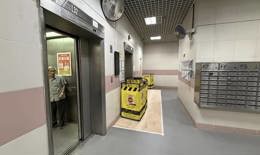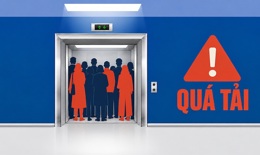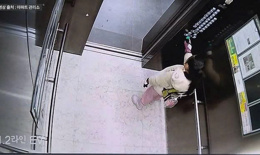




On the morning of September 29, 2025, a video clip capturing an elevator malfunction in an apartment building went viral on social media, leaving many viewers on edge. According to the post, the incident occurred at a residential complex on Pham Van Dong Street in Hanoi.
In the footage, after the elevator stopped at the 14th floor, a woman carrying a young child stepped out and placed a metal bar across the doors to prevent them from closing while she returned. However, the elevator doors subsequently shut, clamping the bar and dragging it upward toward the ceiling, creating a perilous moment that startled onlookers.
The clip quickly spread, drawing widespread attention, with many expressing frustration over the reckless method of propping the door and concern that the resident might face compensation demands if the elevator sustained damage.
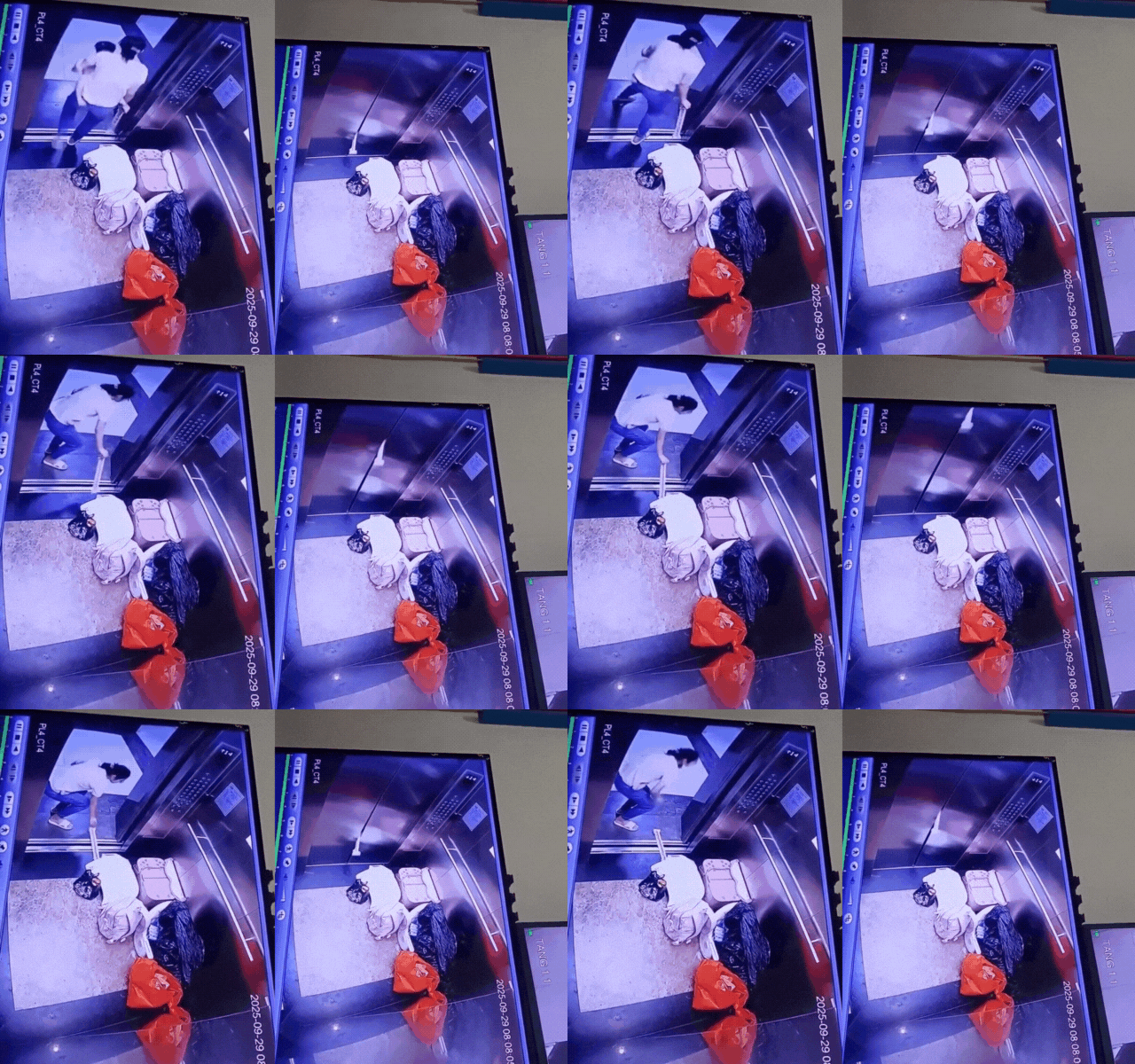
However, according to a notice from the building management sent to residents, following the incident, the maintenance team promptly inspected and resolved the issue. Fortunately, no repair costs were incurred, and the elevator has returned to normal operation.
Additionally, the building management stated that they have issued advisories to residents on proper elevator usage and reported the matter to the management board for coordinated oversight.

The notice emphasized that, as a general rule, individuals responsible for causing damage must bear the compensation liability. However, in urgent cases affecting operational safety and shared assets like elevators, the management is compelled to intervene immediately to ensure continuous functionality and avoid disrupting residents' daily lives. Thus, repair costs may be temporarily advanced from the maintenance fund for timely resolution.
Upon completion, the management will investigate the cause and identify the violator; if the responsible party is confirmed, they will be required to reimburse all expenses. This process aims to safeguard safety and residents' rights.
Similar Incident in China: Using a Knife and Pot Lid to Prop Elevator Doors
The Hanoi case is not isolated. Earlier, on September 19, 2025, in Tuyen Thanh Province, China, a woman attempted to block elevator doors using a knife and a pot lid. During the process, the knife slipped into the gap between the cabin door and the landing door.
Regrettably, the woman did not notify building management and proceeded to enter the cabin and use the elevator. As a result, when the doors closed and the cabin moved, it collided forcefully with the lodged knife, causing the cabin door to burst open and leading to a severe elevator jam. Fortunately, the woman was successfully rescued by emergency teams without injury.
Why Do Elevator Doors Still Close Despite Being Propped?
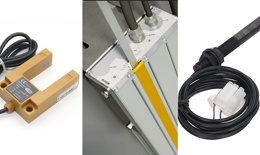
From technical and regulatory standpoint, all elevator doors are required to be equipped with sensor systems that automatically reopen upon detecting obstructions, minimizing accidents such as pinching people or objects. Elevator door safety sensors come in two main types: safety edges and infrared curtains (photocells), with photocells divided into beam-type and point-type.
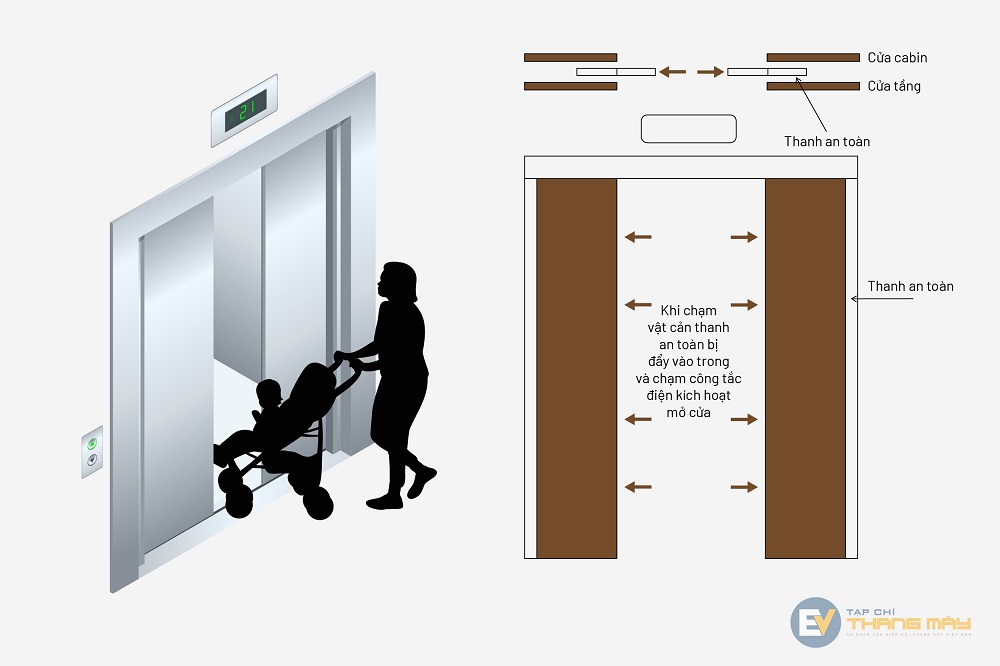
For elevator safety edges, the mechanism operates by gently pushing against an obstruction across the doors, triggering a switch that reverses the door motor, reopening until the obstruction is removed before closing again.
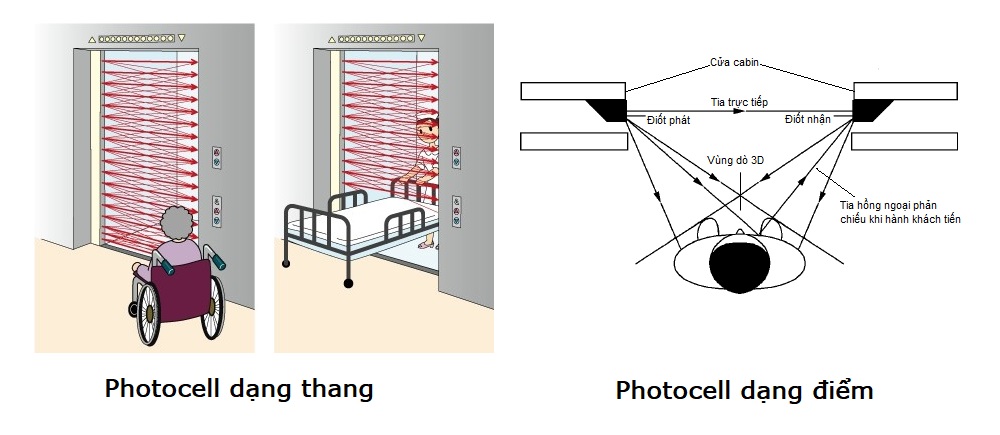
For infrared photocell curtains, infrared beams are mounted on both sides of the doors. These beams project from one side to the other as the doors close. If an obstruction interrupts the beams, the doors automatically reopen; they only close once the obstruction is cleared.
Nevertheless, elevator door safety sensor systems have limitations in detecting thin or transparent objects, such as pet leashes, rods, mirrors, or glass. These items often lack sufficient thickness or force to activate safety edges or may fall into "blind spots" in photocell-equipped elevators.
Consequently, the sensors fail to detect the obstruction, resulting in door jamming and posing potential dangers to users.
Elevator Safety Recommendations
The Institute of Elevator Applied Technology advises users to absolutely avoid using body parts or objects to prop elevator doors. If needing to hold the doors open, stand inside the cabin and use the door-open button. However, do not hold the doors open for too long, as it may cause system errors.
Typically, elevator door control systems are programmed to allow doors to remain open for about 3-5 minutes before issuing an audio alert to discourage prolonged holding.
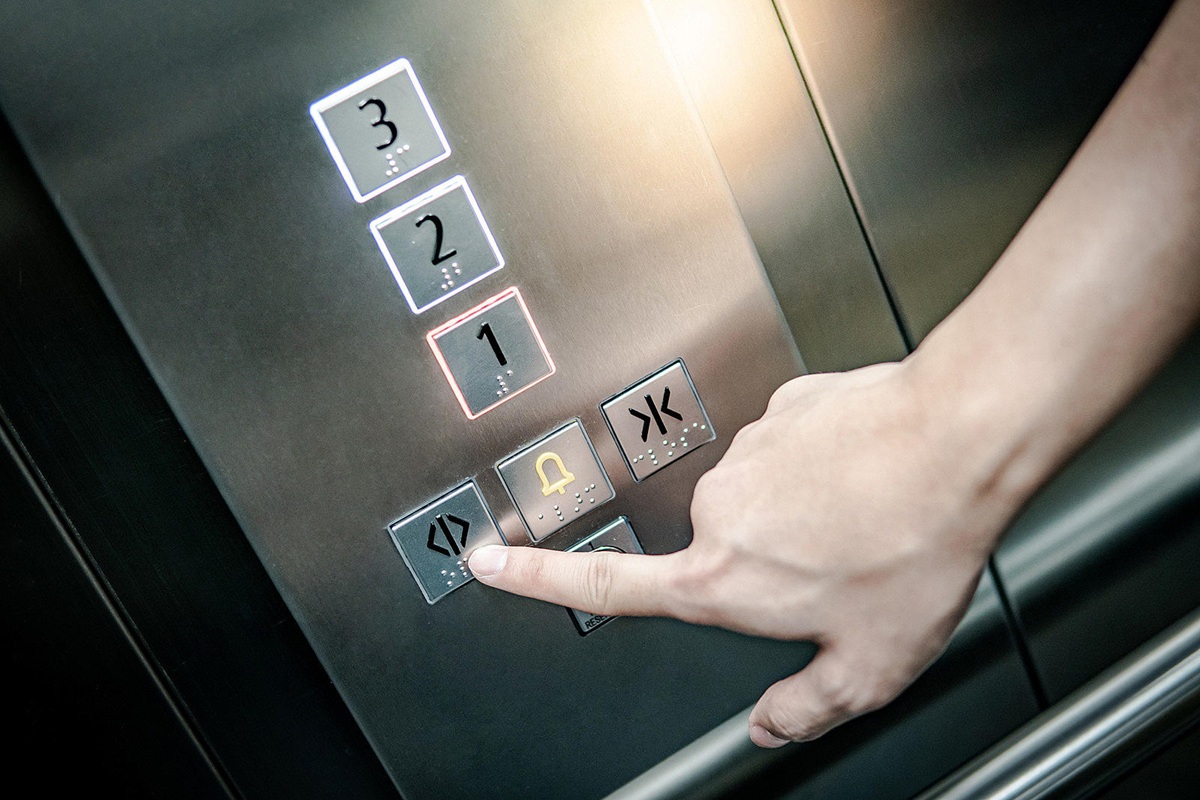
When transporting items, use the service elevator and request assistance from the building's technical department to activate the door-lock mode, ensuring safety during the process.
Furthermore, to address limitations in current door sensors and prevent such incidents, building managers and elevator operators can install the Door Safety Vision System (DSVS).
The DSVS consists of two main components: an AI video analysis device and a real-time video capture surveillance camera. Specifically, the AI video analysis device measures 180x100x50mm and is installed at the top of the elevator cabin. It operates on DC 12V, 4A (48W) power.
The real-time video capture camera measures 45x45x30mm and is positioned at the center above the elevator doors.

Even if the door obstruction is a fitness rope, pet leash, or similar, the DSVS can detect it and send an "open" signal to prevent the doors from closing.
Compared to existing sensors like safety edges or infrared photocell curtains, DSVS can detect thin objects such as pet leashes or fitness ropes placed across the doors, or items moving toward the cabin interior. Thus, installing DSVS in elevators addresses the shortcomings of current sensors, enhancing user safety.
https://tapchithangmay.vn/ucmp-he-thong-phong-tranh-cabin-thang-may-chuyen-dong-ngoai-y-muon/