



The Ministry of Home Affairs is developing a Draft Circular stipulating the List of products and goods with high risk levels and medium risk levels under the Ministry's state management responsibility. During the drafting process, the Ministry of Home Affairs sent documents to collect opinions from relevant parties, including the Vietnam Elevator Association.
Risks Originating from the Very Operational Structure of Elevators
An elevator is a synchronized technical equipment system. An elevator can only operate safely when all mechanical, electrical, control, landing door, cabin, traction cable, brake, overspeed governor, safety gear, sensors, and rescue system components coordinate synchronously.
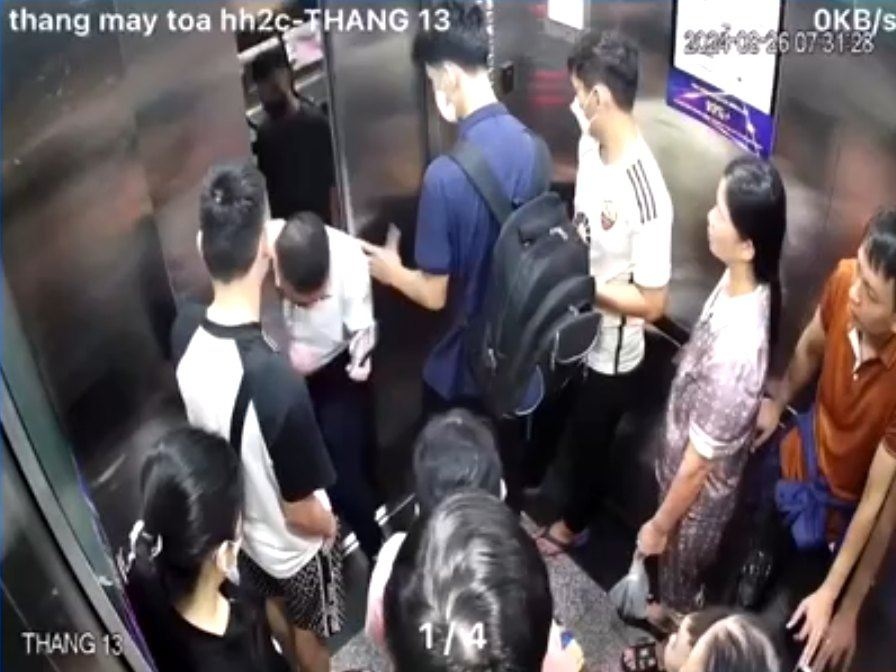
A man entering the elevator in the HH2C building area, HH Linh Dam apartment complex (Hanoi) was nearly "swallowed." The incident occurred on August 26, 2024
Elevator risks can be summarized into four main groups:
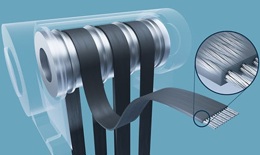
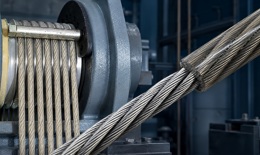
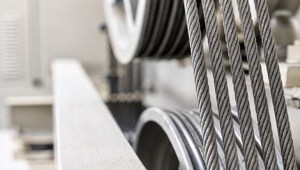
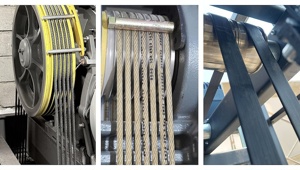
Mechanical risks: Arising from traction cables, traction machines, brakes, guide rails, counterweights, cabins, safety gears, overspeed governors, buffers, or hoistway structures. When these components are damaged, deviate, or fail, the elevator may fall, drift, overspeed, collide, or stop suddenly.
Electrical and control risks: Short circuits, electrical system fires, control cabinet errors, sensor errors, signal interference, loss of control synchronization, or rescue systems failing to operate. Consequences may include electric shock, fire, entrapment, cabin stopping at the wrong position, or the elevator operating out of control.
Risks from usage: Overloading, crowding, misuse, rescue performed incorrectly against safety procedures,... or other acts of vandalism. In crowded environments, risks are greater due to high usage frequency and varying reaction capabilities of different groups of people.
Risks from maintenance, technical work, and safety circuit tampering: Equipment not maintained or inspected on schedule; degraded components not replaced; technicians operating incorrectly against procedures; or acts of "short-circuiting" or disabling safety circuits. This is a particularly dangerous risk group because it can cause equipment to operate without ensuring safety conditions.
If the above risks occur, they not only cause equipment damage but can also lead to serious harm to human health, life, and property.
Correctly Assessing Risk Levels Is the First Step of Prevention
In developing safety management policies, what determines the level of control is not only the probability of an incident occurring but also the consequences of the incident. Aviation is a typical example: the accident rate is very low but it still operates under strict management mechanisms because it directly involves the lives of many people.
Elevators and escalators also need to be viewed with such preventive thinking. These are people-transporting devices that operate continuously in apartment buildings, hospitals, schools, shopping centers, train stations, hotels, and many public works. An incident may not occur frequently, but when it does, the consequences do not stop at equipment damage but directly affect human health and life.
Therefore, when assessing the risk of a product, one cannot only look at the scoring formula but must also base it on the subjects that the product serves. A device serving crops, goods, or production lines is different from a device that daily carries people up and down with high frequency and very high reliability requirements.
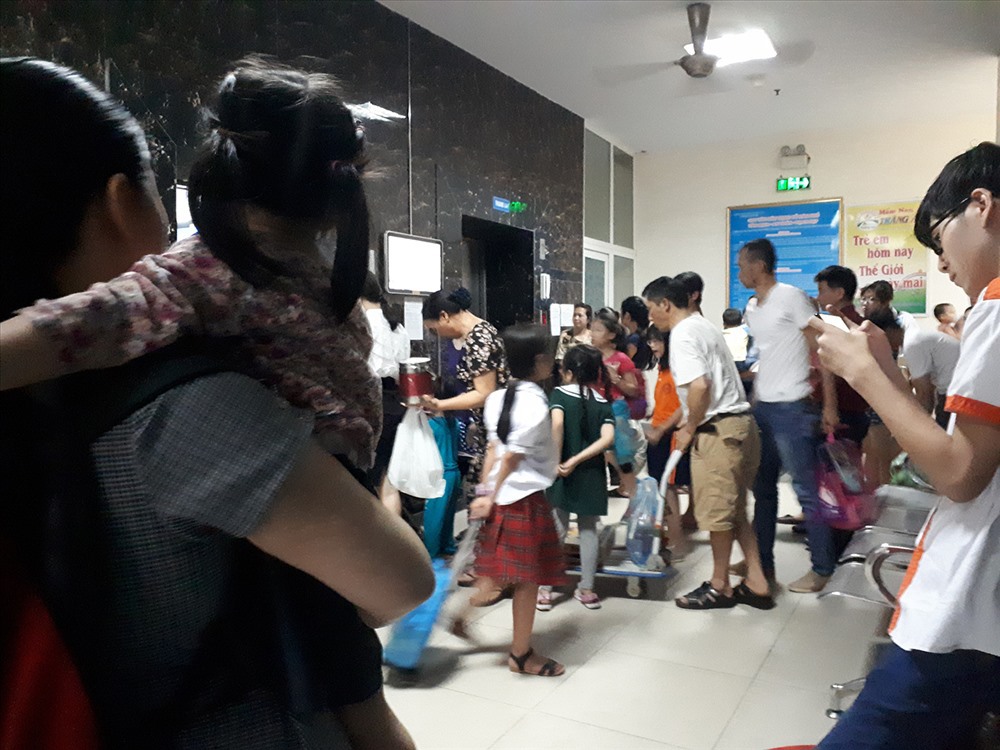
Residents of HH Linh Dam apartment complex waiting for elevators during peak hours.
When people are at the center, policy cannot only ask "what is the probability of an incident" but must also ask: "if an incident occurs, who will bear the consequences, and how great will those consequences be?"
From this perspective, correctly classifying the risk level of elevators and escalators also demonstrates humanity in social infrastructure governance: aiming to protect human life and health as the highest goal of safety management. This spirit is also consistent with the viewpoint "The people are the root, the measure of all policies" emphasized by General Secretary and President To Lam.
Correctly identifying and classifying risk levels will determine how the management system handles that product: from testing, certification, inspection, conformity declaration, post-market inspection, data traceability, and records management to the competency requirements of organizations and individuals involved in installation, maintenance, and repair.
If a device capable of causing serious consequences is classified inadequately, the accompanying management mechanism may not be sufficiently comprehensive. In that case, the cost savings at the management stage may be far smaller than the price paid when an incident occurs: human health and life, property, legal liability, corporate reputation, and social trust.
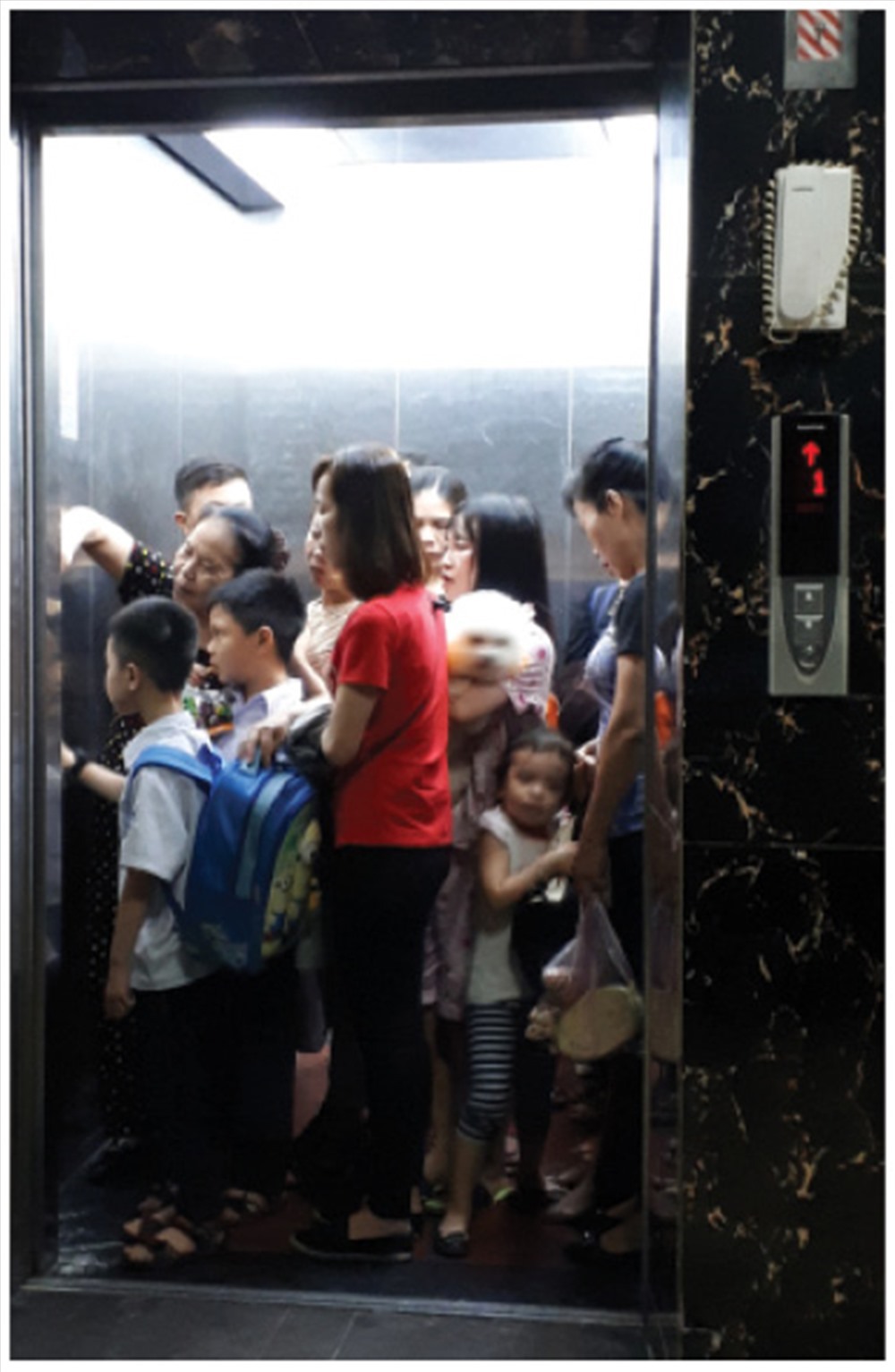
Residents of HH Linh Dam apartment complex crowding into the elevator.
Internationally: Building a Comprehensive National Elevator Safety Management System
Countries around the world with developed vertical transportation systems have all established relatively strict management mechanisms for elevators and escalators, adapted to each country's management model and level of development.
Read more: How Do Countries Manage Elevators?
South Korea manages based on a specialized legal framework - the Elevator Management Act, identification codes and elevator safety databases, along with a strict accident investigation mechanism.
In China, elevators are classified as special equipment, controlled from production, installation, and use to certified personnel. Special equipment, including elevators and escalators, is managed on the government's declaration portal system. Personnel working in this field must be trained, examined, and certified; certificates are periodically re-evaluated and may be revoked if violations occur.
In Singapore, elevators and escalators are managed through operating permits. Equipment can only be put into use when it has a valid operating permit and is registered on the Lift and Escalator Application Portal (LEAP).
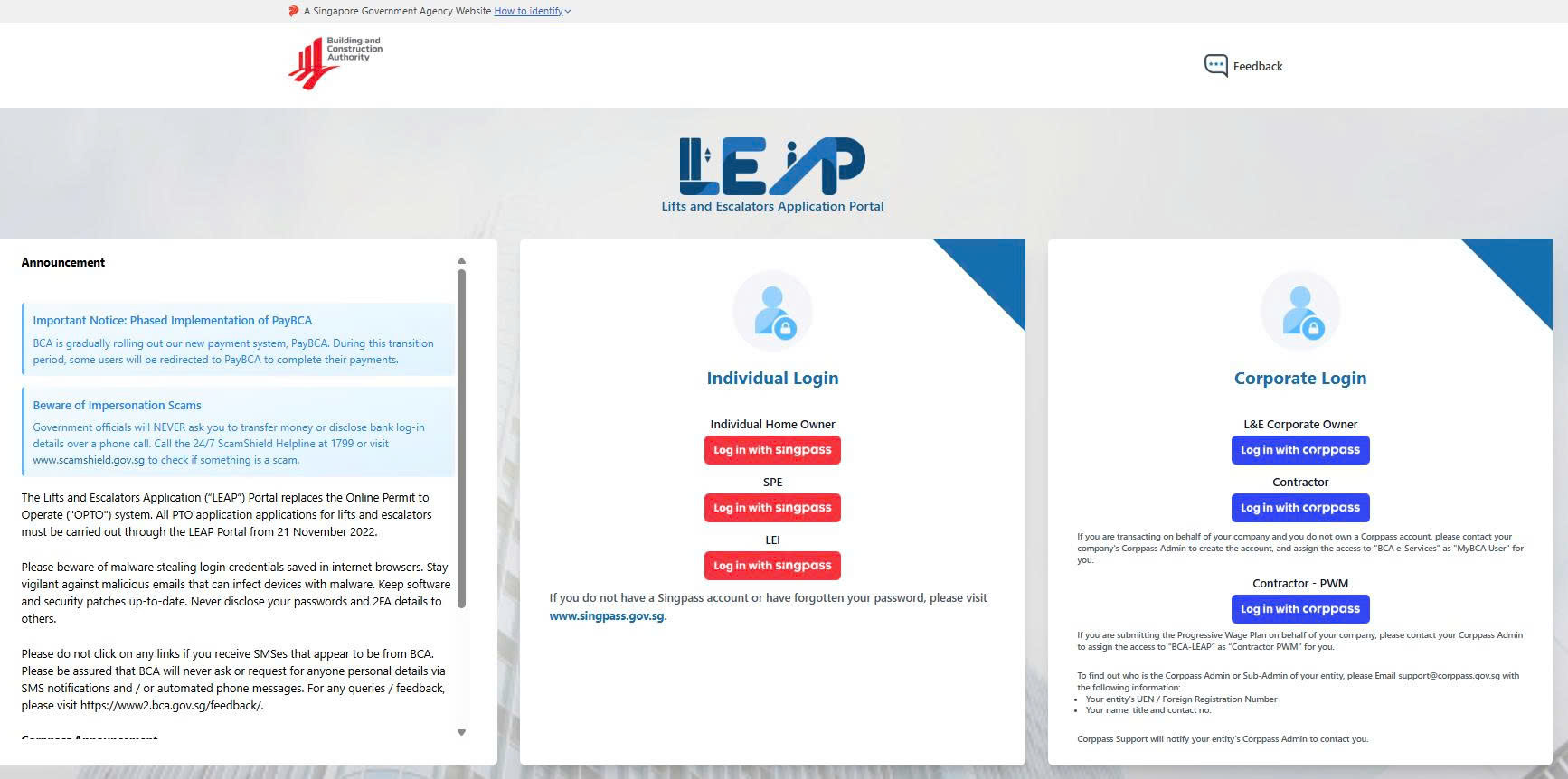
Singapore National Lift and Escalator Application Portal
In Hong Kong, the elevator and escalator management system is organized around equipment registration, contractor registration, engineer registration, competent person registration, periodic inspections, and recording of operation and maintenance records. The management authority has also developed an electronic logbook system to enhance traceability and monitoring.
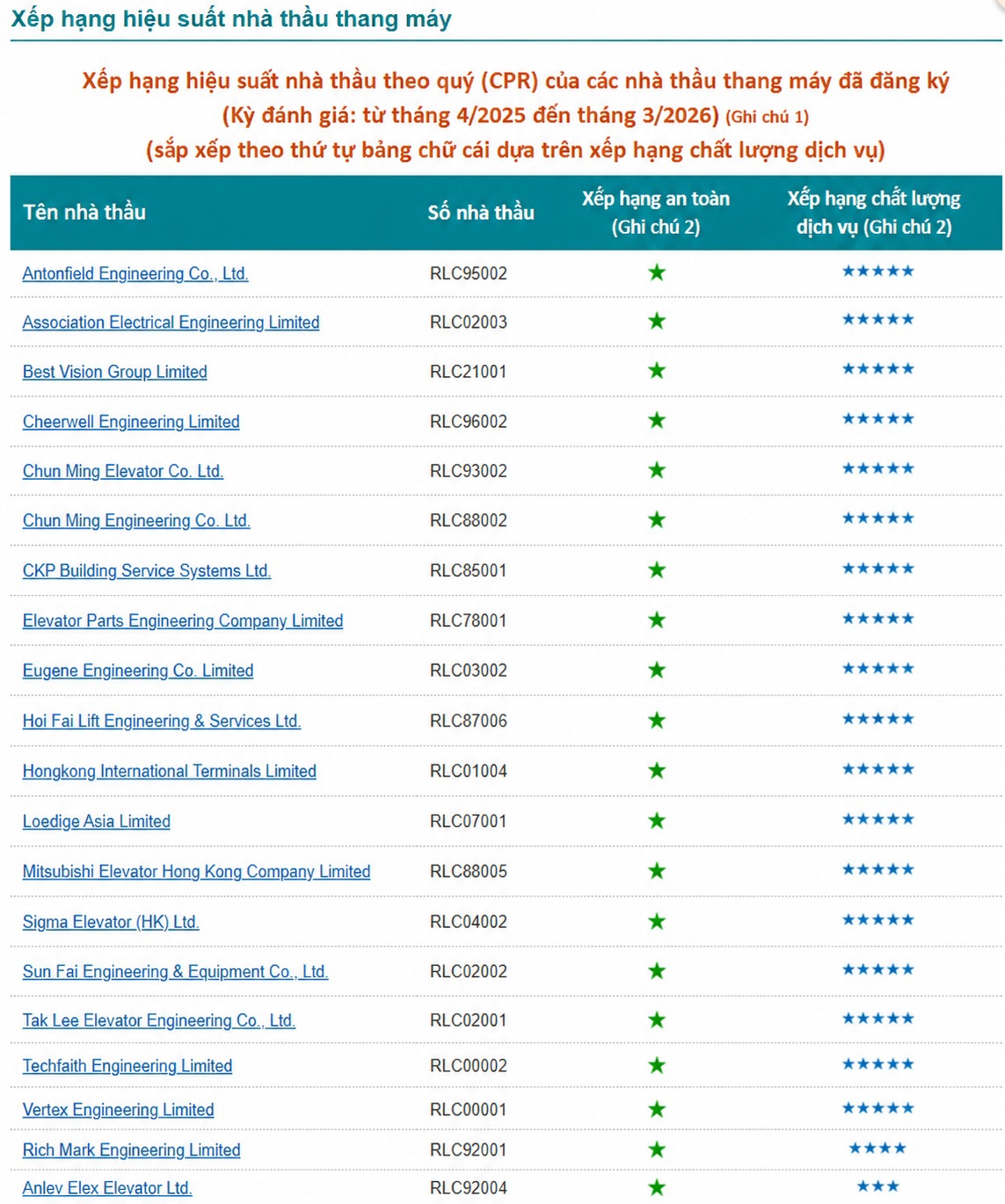
Hong Kong elevator contractor ranking table
Although differing in organizational models, the common point of these countries is that they do not manage elevators as isolated products but as people-transporting equipment that needs to be controlled throughout its lifecycle.
From design, production, import, installation, inspection, operation, and maintenance to renovation, replacement, and incident handling, each stage is linked to traceability data, requirements for competent personnel, and clearly responsible entities.
Elevators, Escalators, and Safety Equipment Should Be Classified as High-Risk
In Vietnam, elevators and escalators are rapidly increasing in both quantity, variety, and scope of use. Along with that, the market still has issues that need better control, from installation quality, maintenance, inspection, and technician competence to equipment records management and usage awareness.
According to experts from the Vietnam Elevator Association, classifying elevators and escalators in the medium-risk group does not fully reflect the level of impact of the equipment on human life safety. Given their characteristics as people-transporting equipment operating regularly in civil and public works, elevators, escalators, and safety equipment should be classified as products and goods with high risk levels.
Classification in the high-risk group is not intended to tighten management or increase unnecessary social costs, but to correctly establish the nature of the equipment's risks in order to have corresponding management and risk prevention methods.
Correct classification is the basis for building correct policies; correct policies will create the foundation for an effective prevention system, contributing to protecting human life and property and improving the quality of safety governance in society. This is also the humanity in policy.