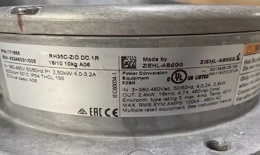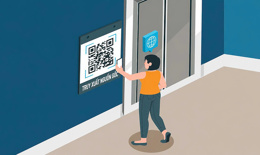




A license plate or chassis number helps identify a car for cross-referencing with relevant records. A barcode on goods helps the system identify the product. How far a lookup can go depends on the data already stored, the ability to link information, and access permissions.
For example, a standard EAN/UPC barcode contains a GTIN product identifier. Information about batch numbers or expiration dates requires barcode types that support additional attributes; scanning a code does not by itself provide the full product history.
For elevators, an identification code also needs to go hand in hand with updated records and a consistent way of describing information.
When Elevator History Is Scattered Across Many Places
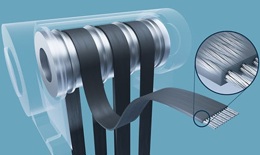
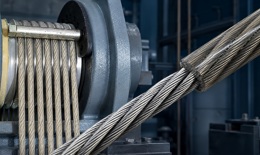
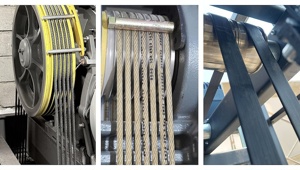
Suppose an elevator has been in operation for ten years, going through multiple repairs and changes of maintenance provider. The traction cables have been replaced, the controller has been repaired, and some components are no longer as originally configured.
When taking over the equipment, the technical team needs to know about these changes. However, records may be held by the manufacturer, the installer, the previous maintenance company, the inspection organization, and the owner. Some are stored on paper, some in spreadsheets or proprietary software.
To reconstruct the equipment history, records must be gathered and information cross-referenced from various sources. If each party uses different equipment codes, names, and recording methods, consolidation is prone to confusion or omission.
Missing records and inconsistent data are two problems that need to be addressed simultaneously. Standardization helps organize and exchange existing information; data that has not been recorded or has been lost still needs to be verified and supplemented when evidence is available.
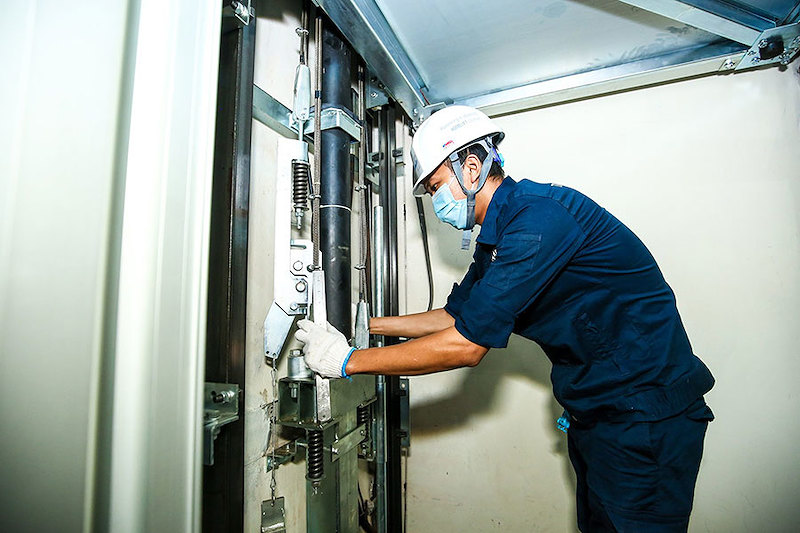
Standardizing elevator records and data makes looking up and retrieving elevator history faster and more accurate
What Is a Data Standard?
A data standard defines how information is described: names, meanings, data types, units of measurement, structures, and valid values. This gives all parties a common basis for recording and interpreting data.
For example, "elevator type," "model," and "serial number" need to be distinguished. Elevator type serves categorization; model identifies the product type; serial number helps identify the equipment within the manufacturer's scope. Merging these attributes into one field reduces accuracy when searching and cross-referencing.
Technical specifications must have clear units: 60 m/min and 1 m/s are the same speed. For maintenance history, the date the work was performed must be separated from the date the results were entered into the software.
A data standard can be thought of as a set of rules accompanying a record template. The rules must explain what each field contains, how to fill it in, and what information it links to. Sharing only a form is not enough if parties still interpret the content differently.
Businesses can continue using their own software. When exchanging data, it needs to be converted to an agreed structure through file formats or application programming interfaces (APIs), along with authentication and authorization mechanisms.
SEIS: A Reference for Describing Operational Information
Many industries have used standards to unify how information is identified and exchanged. In retail, the GS1 system provides GTIN product identifiers and barcode types that machines can read. In finance, ISO 20022 defines how financial messages are modeled and built, and is used in SWIFT services.
In construction, IFC is an open standard for sharing building information modeling (BIM) data between software applications. For building automation systems, BACnet defines the messages, formats, and rules for exchanging data, commands, and status between devices, including elevators.
A specialized model for elevator information is SEIS (Standard Elevator Information Schema), developed by Jonathan Beebe starting in 2003. SEIS defines data elements, attributes, relationships, and validation rules, helping systems uniformly understand configuration and operational information such as car position, door status, and call commands.
SEIS is published along with reference documentation at std4lift.info. This is a model that can be referenced when organizing operational data, not a complete electronic record of ownership, inspection, and maintenance throughout the entire elevator lifecycle.
An Approach for Vietnam
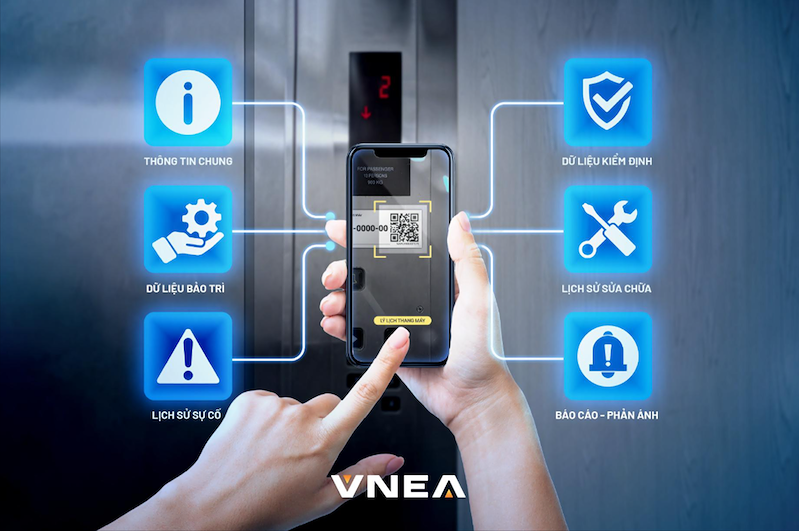
To build electronic elevator records, basic information needs to be unified: equipment identification codes, technical specifications, inspection records, and maintenance and repair history. Each component replacement or retrofit needs to clearly record the time, content, and performing unit, helping track changes to the equipment.
Along with the data structure, responsibilities for updating, verifying, access rights, and record handover procedures need to be defined. Developing a shared industry standard requires the participation of regulatory agencies, manufacturing, installation, and maintenance businesses, inspection organizations, and experts.
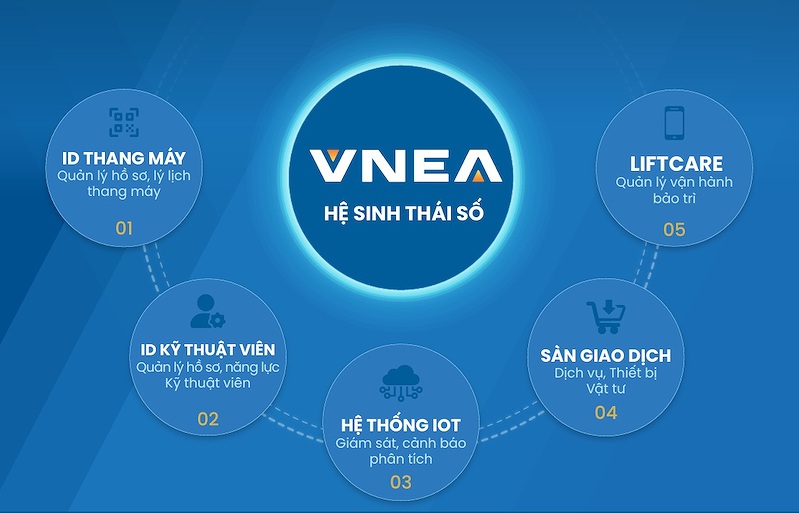
In Vietnam, on August 3, 2026, the Vietnam Elevator Association (VNEA) partnered with RnD Lam Anh Co., Ltd. to develop the LiftCare software. According to information published by VNEA, LiftCare is intended to integrate with components in the Association's digital ecosystem, including Elevator ID for managing records and equipment profiles.
VNEA's digital ecosystem aims to help owners monitor elevator status and history, businesses manage maintenance and repair work, and technicians have information to prepare before arriving on site. When data is fully updated and connected, parties can reduce lookup time, coordinate incident response, and limit record gaps when changing maintenance providers, contributing to improving service quality and elevator safety.