

The elevator market is growing in step with urbanization and infrastructure construction, while technology continues to expand design, operation, and service delivery capabilities. These changes place demands on both regulators and businesses: how should standards be updated, and what capabilities must be prepared so that technical requirements and enhanced safety are implemented effectively?
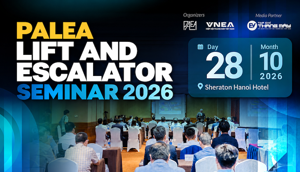
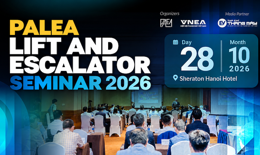
That was the overarching theme of the PALEA/VNEA Lift and Escalator Seminar 2026, organized by the Pacific Asia Lift and Escalator Association (PALEA) in collaboration with the Vietnam Elevator Association (VNEA) at the Sheraton Hanoi Hotel, with media sponsorship from Elevator Magazine.
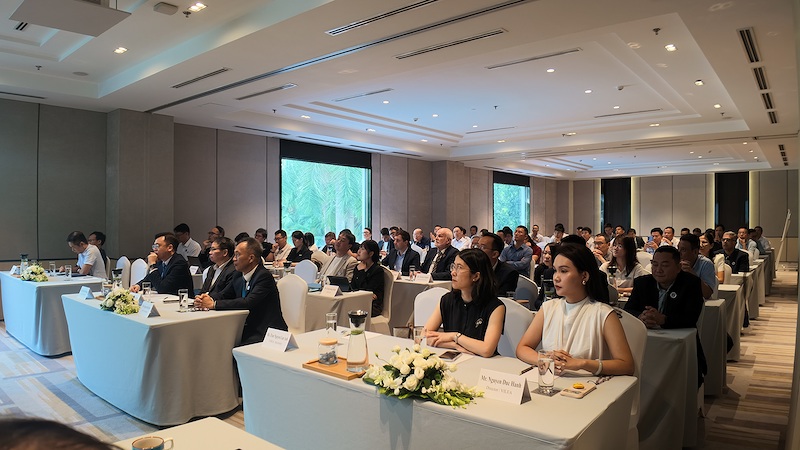
The PALEA Lift and Escalator Seminar 2026 is a regular event of PALEA, where leading regional and international experts engage in in-depth exchanges on standardization and enhanced safety management issues that are shaping the future of the elevator industry in the region and globally.
The program connected representatives of regulatory agencies, standards organizations, experts, and business leaders to exchange views on changes in technical standards and the expected implementation roadmaps in various countries.
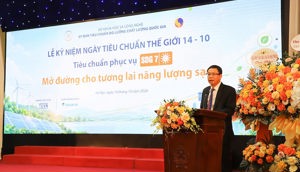
In his opening remarks, Mr. Trieu Viet Phuong, Director of the Vietnam Institute of Standards and Quality (VSQI), observed that the advancement of technology and the scale of the market are placing increasingly high demands on the safety, quality, and reliability of elevators and escalators.
"Standards play a foundational role in unifying technical requirements, enhancing quality, and ensuring safety throughout the entire product lifecycle," Mr. Phuong emphasized.
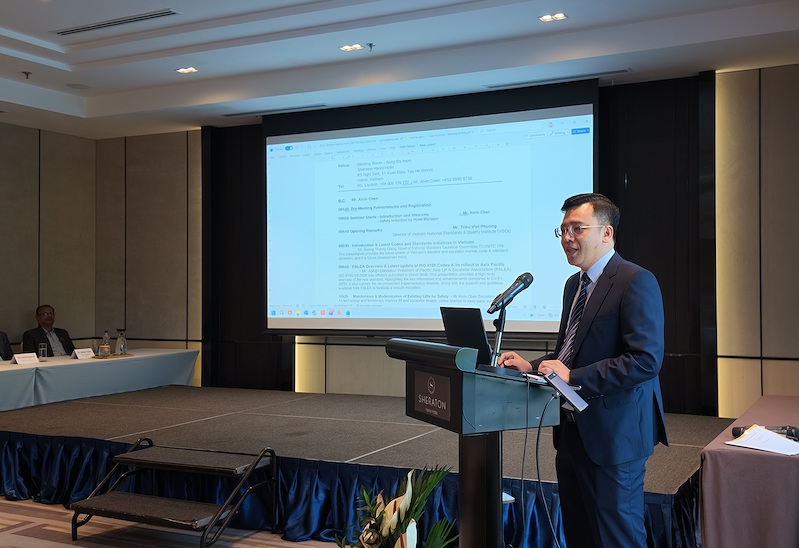
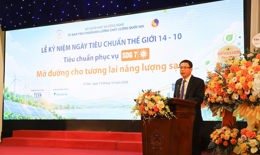
Mr. Trieu Viet Phuong, Director of the Vietnam Institute of Standards and Quality, delivers the opening remarks at the PALEA/VNEA Lift and Escalator Seminar 2026
According to him, standards create a common basis for connecting manufacturers, testing units, conformity assessment organizations, regulators, and relevant parties. This connectivity helps promote technological innovation and market development in a transparent and sustainable direction.
For Vietnam, harmonizing national standards with international and regional standards must go hand in hand with the ability to apply them effectively under practical conditions. In the field of elevators and escalators, researching, updating, and applying the ISO 8100 series of standards has practical significance for enhancing safety and quality.
Trends toward smart, energy-efficient elevators and the application of digital technologies also create a need to further refine standardization solutions.
Mr. Phuong stated that VSQI is ready to strengthen cooperation with PALEA, VNEA, and international partners in professional exchange, experience sharing, and capacity building. The discussions at the conference are expected to provide information to support the process of improving Vietnam's standards system while promoting concrete cooperation activities among the parties.
ISO 8100: Toward a Common Safety Platform
In his presentation on the EN ISO 8100-1/2:2026 Standard, Mr. Abhijit Dandekar, President of PALEA, placed the transition within the trend toward international harmonization of elevator standards.
According to the PALEA President, the new series of standards was developed through cooperation between CEN and ISO, aimed at replacing EN 81-20/50 and the previous versions of ISO 8100-1/2. This approach helps reduce duplication in standards development, facilitating adoption by countries and the sharing of experience in safety improvement.
The change also expands the contributing role of markets outside Europe. Requirements and experience from the Asia-Pacific region, including contributions from PALEA, have been incorporated into the standards development process.
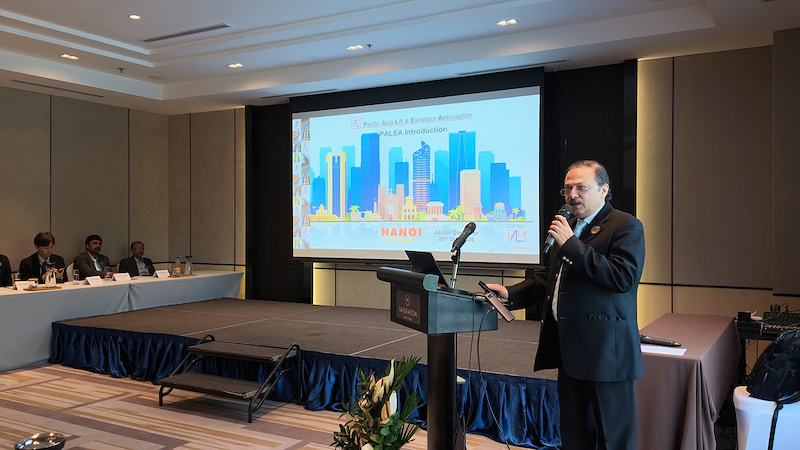
Mr. Abhijit Dandekar, President of the Pacific Asia Lift and Escalator Association
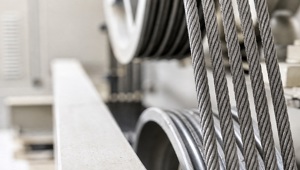
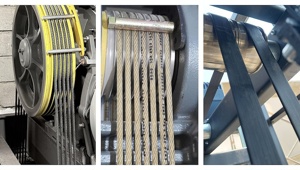
At the technical level, EN ISO 8100-1/2:2026 adds and adjusts many provisions directly related to design, operation, and maintenance: suspension means other than traditional steel wire ropes; operation of automatic rescue devices; traction machine brake features and monitoring; and safe access to the pit...
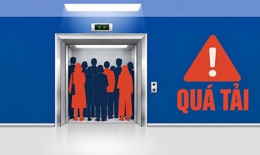
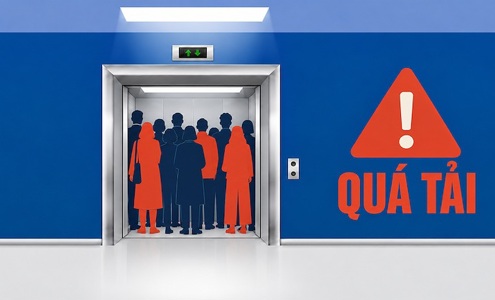
One notable provision is the regulation for traction elevators with car areas larger than the normal load correlation. According to the presentation, this option comes with additional conditions regarding load-bearing design, overload detection, and restriction of downward movement when overloaded. The expansion of design capabilities must therefore be tied to corresponding protective measures.
The series of standards also clarifies the scope of application and focuses on technical requirements that are measurable and verifiable. Requirements related to construction are gathered in a separate annex, supporting adoption of the standards in a manner consistent with each country's regulatory system.
Regarding the transition timeline, the PALEA President noted a transition period through July 2029. However, the timing of adoption and the manner of application vary by market. The expected milestones in the region should be distinguished from the official roadmaps issued by the competent authority of each country.
A Growing Market Demands a Standards System That Keeps Pace
From a domestic perspective, Mr. Duong Truong Giang, Head of the National Technical Committee on Standards TCVN/TC 178, pointed out the relationship between market growth and the need to improve standards.
According to Mr. Duong Truong Giang, Vietnam's elevator market is sized at approximately USD 400–500 million per year, maintaining a growth rate of over 10%. The driving forces come from urbanization, real estate development, demand for home elevators, and the market for maintenance and modernization of equipment.
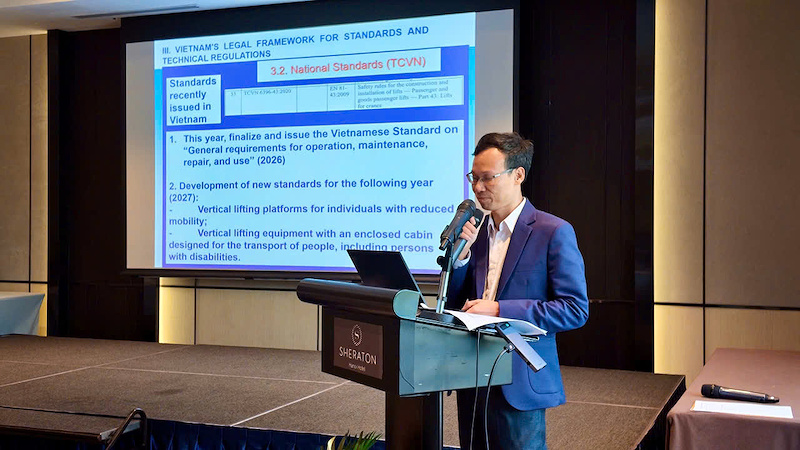
Mr. Duong Truong Giang - Head of the National Technical Committee on Standards TCVN/TC 178 on elevators, escalators, and passenger conveyors.
Growth expands business opportunities while also placing higher demands on quality, reliability, and service delivery capability. For the assembled and localized product segment, advantages in cost and customization come with the challenge of uneven quality among suppliers and price competition.
"Reviewing, updating, and supplementing standards and technical regulations for elevators, escalators, and passenger conveyors is an urgent and ongoing task," Mr. Duong Truong Giang emphasized.
Vietnam currently has more than 30 standards on elevators and escalators, mainly related to design, installation, and safety inspection. Most were developed based on reference to and adoption of EN and ISO standards. As the international foundation continues to change, reviewing the domestic system becomes a requirement to maintain compatibility and meet market needs.
Mr. Duong Truong Giang also mentioned the plan to complete standards on general requirements for operation, maintenance, repair, and use in 2026, while developing standards for lifting platforms and vertical lifting appliances serving persons with limited mobility in 2027.
The gaps that need attention also expand with technology. Predictive maintenance, IoT applications, integration with smart buildings, and energy-efficient elevators are creating new demands on the standards system.
According to the Head of Technical Committee TCVN/TC 178, priorities for the coming period include updating current standards, completing requirements on maintenance and personnel competency, strengthening testing and conformity assessment capabilities, and preparing for new technologies. This process needs to be harmonized with international standards while taking into account Vietnam's specific characteristics.
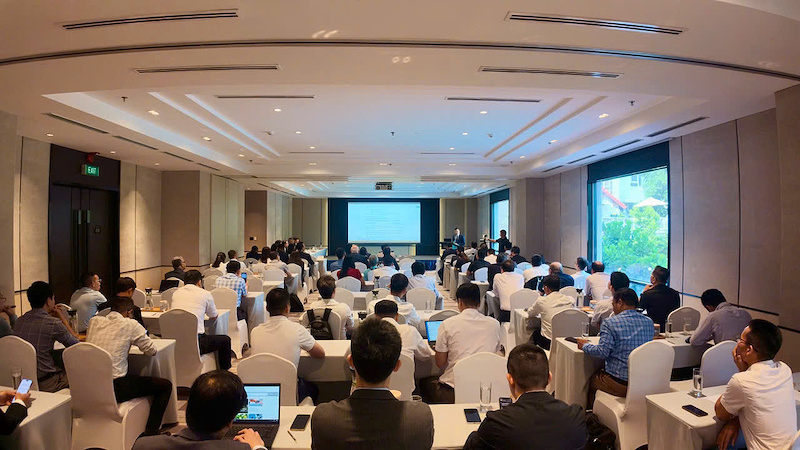
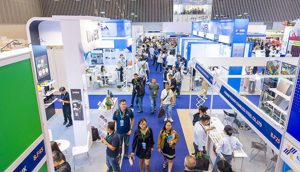
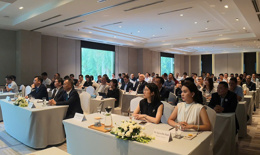
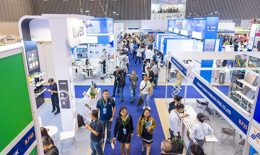
Overview of the Asia-Pacific Elevator Conference PALEA/VNEA 2026 in Hanoi
Connecting Standards with Safety in Practice
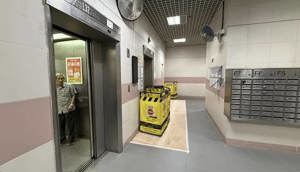
In addition to new equipment, the conference devoted attention to issues of enhancing the safety of elevators already in use. In the presentation on maintenance and modernization, Mr. Alvin Chen, Secretary of PALEA, discussed methods and standards that help identify safety deficiencies and determine appropriate remediation and upgrade solutions.
This content follows on from the standards transition challenge: technical advances need to be translated into the ability to assess and improve safety throughout the equipment lifecycle, serving users, service personnel, and inspection organizations alike.
The program also featured updates on regulations and the ISO 8100-32 standard on Planning and Selection of Passenger Lifts for Buildings by Mr. Shrihari Vispute, a member of the PALEA Board of Directors; as well as updates on changes in elevator standardization and safety management in China by Mr. Mike Wang, representative of the China Elevator Association, and in South Korea by Ms. Eunyoung Jung, representative of the Korea Elevator Safety Agency (KoELSA).
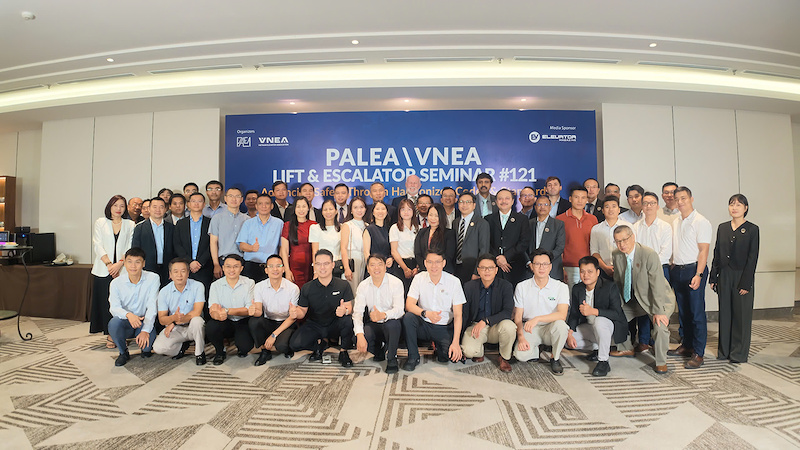
From international standards to domestic needs, the conference raised a common requirement: the transition process must go hand in hand with implementation capacity.
For Vietnam, this includes coordination among standards development, workforce training, testing, inspection, and service quality improvement - the decisive factors for linking market growth with safety and reliability.