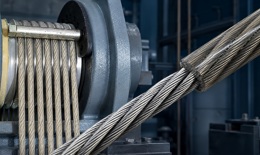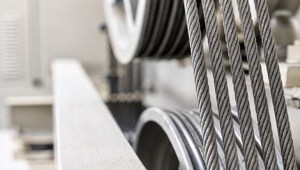




The traction rope is one of the most critical load-bearing components of a traction elevator, responsible for suspending the car and counterweight while transmitting traction force from the machine to move the car. Rope quality directly affects the operability, smoothness, pulley lifespan, and overall safety of the system.
Worldwide, there are hundreds of steel wire rope manufacturers, but few have built a dedicated product portfolio for elevators, established a global network, and maintained research capabilities over multiple decades.
The following list was compiled by Elevator Magazine from official company sources, based on four criteria groups: years in operation; production scale and international network; technological depth; and product lines dedicated to elevators.
1. PFEIFER DRAKO (Germany)
The origins of PFEIFER DRAKO date back to 1810, when a natural fiber rope manufacturing facility named Kocks was established in Mülheim, Germany. After steel wire rope was invented in Germany in 1834, the company began transitioning to steel wire rope production for mining, industry, and later elevators.
In 1994, PFEIFER Group took over Kocks; by 2008, the company was renamed PFEIFER DRAKO and opened an additional factory in Changshu, China.
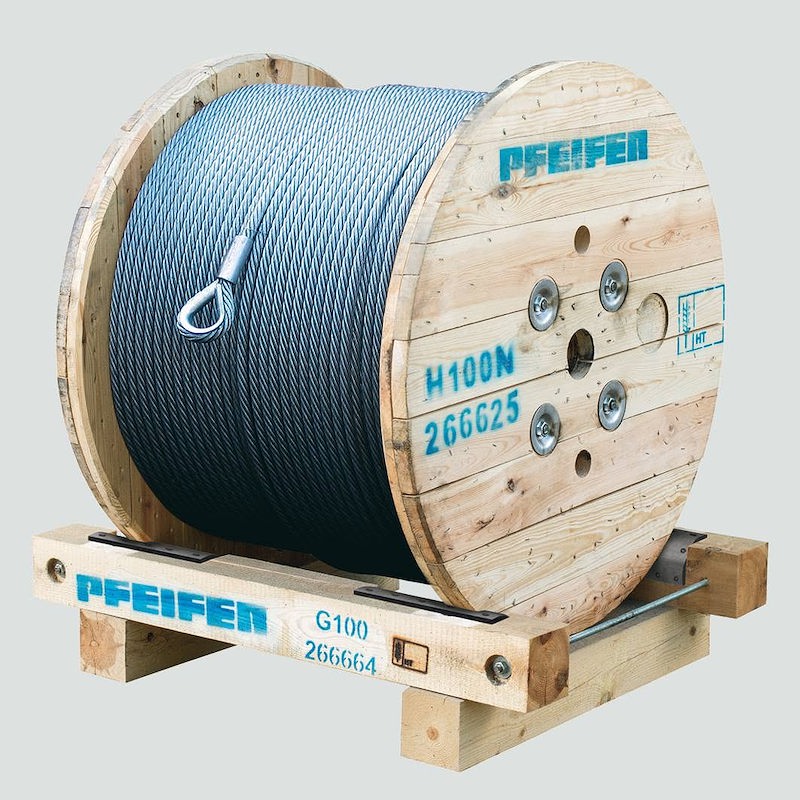
PFEIFER DRAKO is one of the world's leading elevator steel wire rope manufacturers, part of Germany's PFEIFER Group. The group's history began with the Pfeifer family's ropemaking trade in Memmingen in 1579.
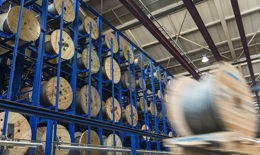
Currently, ropes are produced in Mülheim, Germany, and in Changshu for the Chinese market. According to company-published figures, the PFEIFER Mülheim facility alone produces more than 25 million meters of rope per year, has a sales network in over 70 countries, more than 200 employees in Mülheim, 7 in-house testing laboratories, and a 10,000 m² storage area.
PFEIFER states that its ropes are used in many high-rise projects and major vertical transportation systems worldwide. Products are manufactured in accordance with EN 12385-5 and ISO 4344.
PFEIFER DRAKO categorizes traction ropes by elevator height and configuration:
- High-rise and super high-rise elevators: DRAKO 300TP, DRAKO 375T, and DRAKO 300T.
- Mid-rise elevators: DRAKO 250T, DRAKO 375T, DRAKO 300T, 8×19S NFC, and DRAKO 210TFS.
- Low-rise and machine-room-less elevators: DRAKO 250T and 8×19S NFC.
- Indirect-drive hydraulic elevators: DRAKO 250H.
- Governor ropes: DRAKO 250T, 375T, 300T, 8×19S NFC, and DRAKO 6×19W WSC.
- Compensation ropes: DRAKO 180B and DRAKO 200B.
- Compensation chains: DRAKO comfortBalance and DRAKO widerloopChain.
The service portfolio also includes rope installation, maintenance, tension measurement, and rope end fittings.
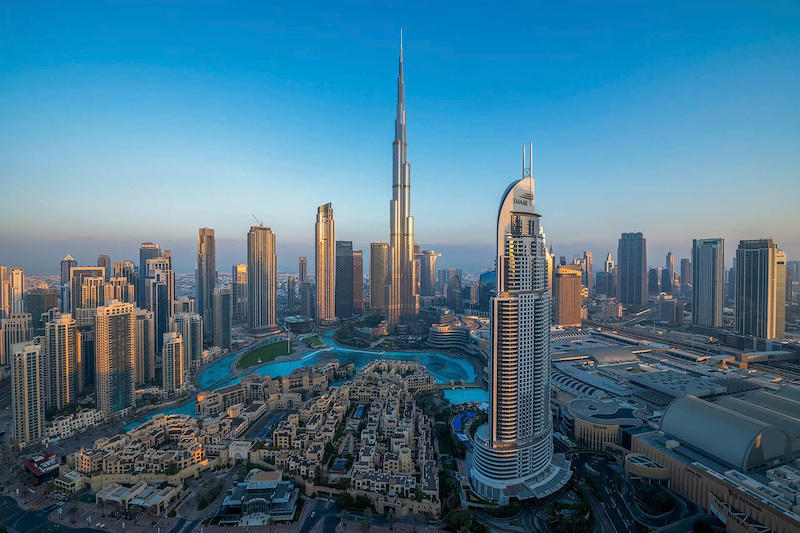
PFEIFER DRAKO is also a solution provider for the Burj Khalifa - the world's tallest tower today
PFEIFER DRAKO also developed the Rope Calculator software, which allows users to input rope reeving configuration, travel height, load, rope type and diameter, number of pulleys, and pulley groove parameters to estimate service life, elongation, and theoretical number of trips. The calculation is based on rope test data and steel wire rope service life formulas, helping designers compare multiple options before making a selection.
According to PFEIFER DRAKO's published information, the company supplies solutions for several notable projects worldwide such as: Burj Khalifa (Dubai, UAE, 828 m tall); Lotte World Tower (Seoul, South Korea, 554.5 m tall); One World Trade Center (New York, USA, 541.3 m tall); Eiffel Tower (Paris, France, 261 m tall).
Thanks to its combination of long history, large scale, specialized portfolio, and technical support system, PFEIFER DRAKO is regarded as one of the most comprehensive names in the field of elevator traction ropes.
2. Gustav Wolf (Germany)
Gustav Wolf was founded in 1887 in Germany, building on a family business with a history dating back to 1737. Initially, the company focused on steel wire ropes for mining; it later expanded into elevators, cranes, and high-strength wire products.
The group currently has 8 production facilities in Germany, France, Hungary, Poland, Dubai, China, and the United States. In 2006, the company signed a joint venture agreement to manufacture elevator ropes in Suzhou for the Chinese market; fiber-core rope production there began in 2007.
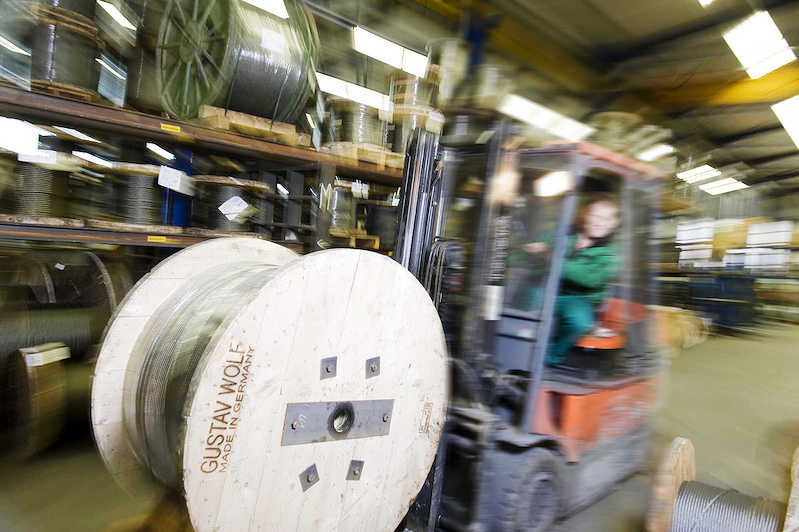
Gustav Wolf's elevator product portfolio is particularly extensive, including: Natural fiber core and reinforced fiber core traction ropes; Independent steel wire rope core; Small-diameter traction ropes for small traction pulleys; Rope lines dedicated to the North American market…
In 1936, Gustav Wolf was granted a patent for the PAWO rope shaping device, which reduces internal stress within the rope. The PAWO name was subsequently used for many of the company's elevator rope lines such as PAWO F3, F7, F7S, F10, 819W, and 836WS, meeting various requirements for load, elongation, bending fatigue resistance, and pulley operating conditions.
In the high-performance segment, Gustav Wolf offers rope product lines such as CompactTrac, PowerTrac, TopTrac, and HyTrac.
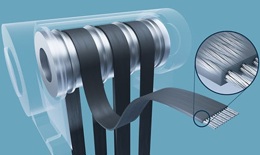
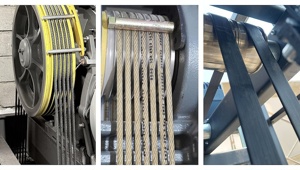
In addition to round steel wire ropes, FlatTrac is a belt-type rope consisting of 10 steel wire rope strands encased in polyurethane, measuring 30 × 3 mm, with a minimum breaking force of 37 kN, and using pulleys with a diameter of 85 mm or more. According to the company, the product has been tested with 18 million single bending cycles and 12 million full bending cycles.
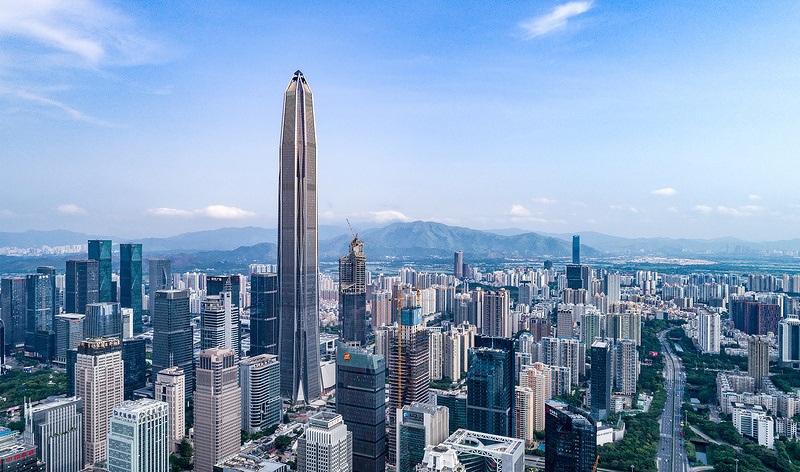
Gustav Wolf is a rope supplier for Ping An International Finance Center (Shenzhen, China)
According to the company's published information, Gustav Wolf is also a rope supplier for notable projects such as: Ping An International Finance Center (Shenzhen, China - elevators with a travel of 559 m, speed of 10 m/s); Lakhta Center building (Saint Petersburg, Russia); CITIC Tower (Beijing, China).
Gustav Wolf is one of the standout manufacturers when it comes to applications requiring reduced diameter, increased bending fatigue resistance, or limited rope elongation.
3. BRUGG Lifting (Switzerland)
BRUGG Lifting AG is a Swiss company belonging to BRUGG Group. The group has nearly 130 years of history in the field of wire ropes and infrastructure.
BRUGG Lifting has three dedicated factories in Birr, Switzerland; Suzhou, China; and Rome, Georgia, USA. In 2024, the company's revenue reached 108 million CHF, up from 86 million CHF the previous year.
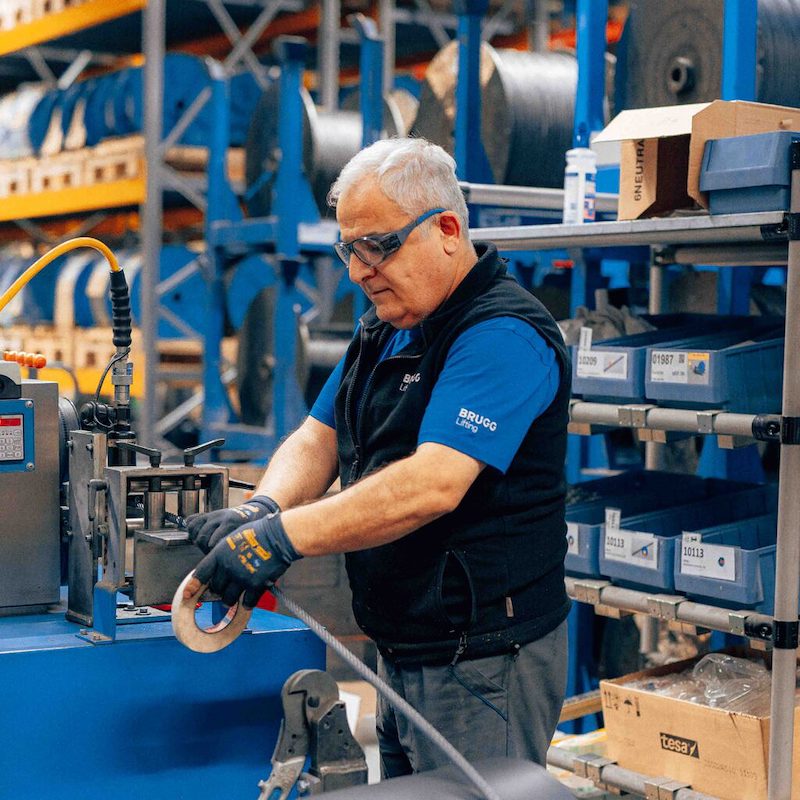
BRUGG Lifting has a relatively broad portfolio of suspension media and accessories for the elevator industry. Among these, CTP is a round steel wire rope consisting of 6 strands, with an independent steel wire rope core, encased in elastic PU. The coating not only protects the steel inside but also participates in generating friction with the traction pulley.
BRUbelt is a belt-type rope consisting of high-strength steel wire fiber bundles encased in PU. The belt-type structure allows for increased flexibility, reduced pulley diameter, and a more compact drive system. The belt requires no lubrication, has low elongation, and is designed to work in sync with dedicated connectors. BRUGG has also developed a hybrid version that can integrate additional copper wires or optical fibers alongside the steel load-bearing elements.
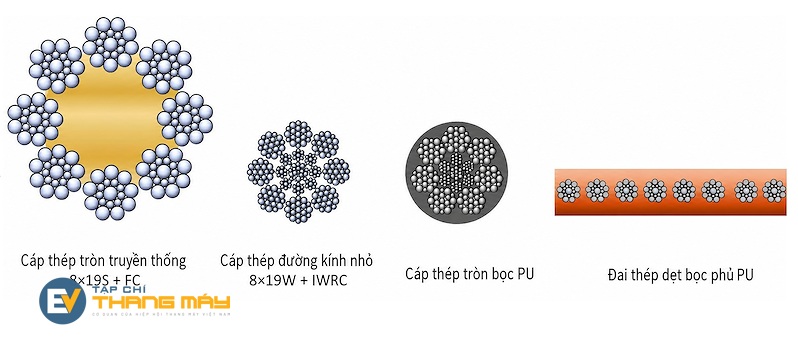
To make traction machines more compact for projects with low OH height requirements, as well as to develop ultra-light rope technologies for high-speed/large travel height elevators, manufacturers have researched and developed various rope technologies.
Through collaboration with traction machine manufacturer LANCOR, BRUGG is taking a further step from supplying suspension media to providing the synchronized BRUsystem traction system, in which the traction machine, pulley, PU-coated round rope, or belt rope are selected and controlled in sync.
BRUGG Lifting's traction rope solutions are also used in the world's largest high-rise buildings such as Burj Khalifa (Dubai, UAE), Shanghai Tower (Shanghai, China), and One World Trade Center (New York, USA).
In terms of technological diversity, BRUGG Lifting is one of the few independent manufacturers currently offering three categories of suspension media simultaneously: traditional round steel wire ropes, PU-coated round steel wire ropes, and PU-coated belt ropes.
4. Tokyo Rope (Japan)
Tokyo Rope Manufacturing was established on April 1, 1887, and began producing steel wire ropes in 1898. It is one of Japan's oldest wire rope manufacturers. The company has two main factories in Tsuchiura and Sakai. Tokyo Rope Vietnam, located in VSIP II Industrial Park, is identified by the company as its elevator steel wire rope production and distribution facility.
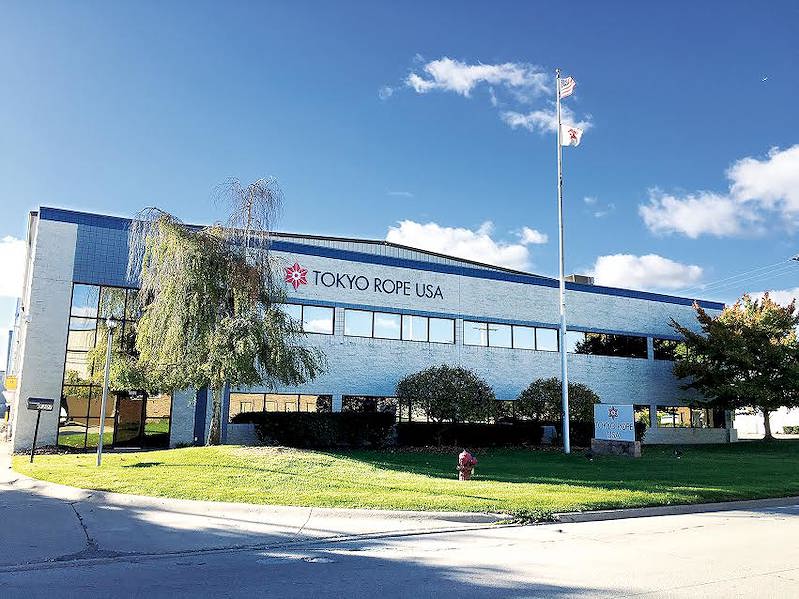
Tokyo Rope directs its research capabilities around the concept of "Total Cable Technology", meaning the simultaneous development of materials, rope structure, manufacturing methods, connectors, and related engineering solutions. The group has the capability to produce multiple material categories, from steel to carbon fiber and high-performance fibers.
In the elevator field, an important milestone for Tokyo Rope was the development of ropes for an elevator system that achieved a world record speed in 2004. The company's ropes have been used at Taipei 101 and Shanghai World Financial Center - projects that placed very high demands on speed, travel height, elongation, and ride smoothness.
At the 492 m tall Shanghai World Financial Center, Tokyo Rope supplied Super-Coat - a high-strength rope designed for ultra-high-speed elevators transporting passengers to the observation deck at a height of 474 m. This is one of the typical reference projects demonstrating the company's capability in manufacturing high-rise elevator ropes.
5. KISWIRE (South Korea)
KISWIRE was established on September 22, 1945, headquartered in Busan, South Korea. The company's domestic network includes multiple production facilities such as Hyrope Factory, Gunbuk Factory, Yusan Factory, along with an R&D center in Pohang (Gyeongsangbuk-do Province, South Korea).
KISWIRE has other factories in Malaysia, the United States, and China, along with numerous branches and sales offices in Japan, Singapore, the United States, the Netherlands, and China; more than 70% of KISWIRE's revenue comes from overseas markets.
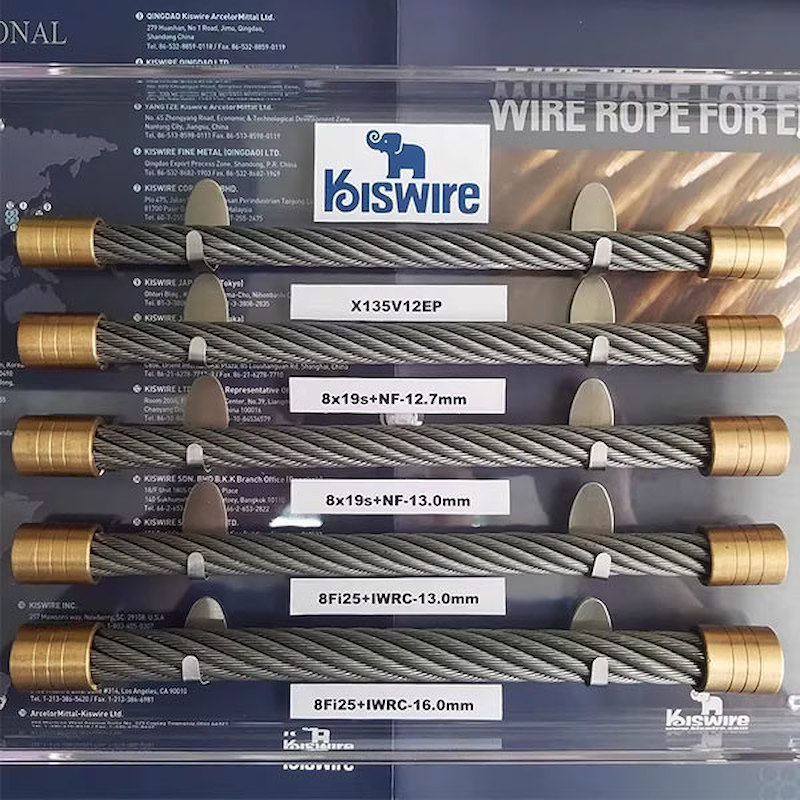
The company currently supplies traction ropes, governor ropes, and compensation ropes for elevators. According to its 2025 report, KISWIRE primarily sources raw materials from POSCO, Nippon Steel, Korea Zinc, and other suppliers.
The elevator product portfolio consists of three main groups:
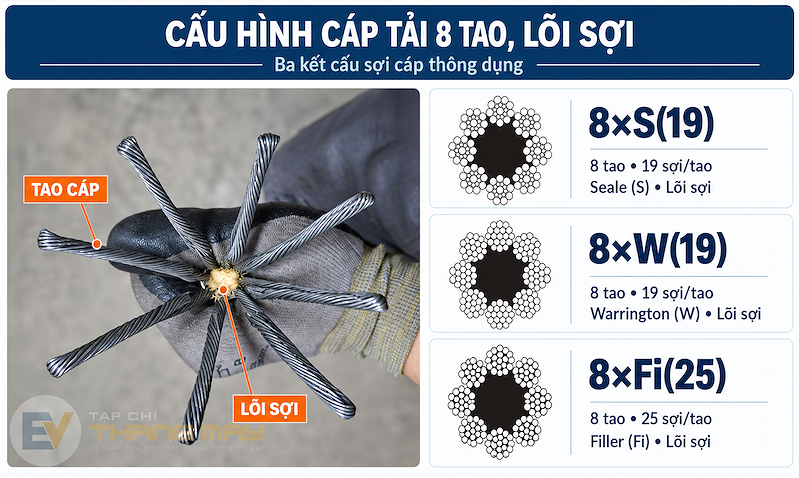
- Traction ropes with constructions 8×S(19), 8×Fi(25), 6×W(19), and 6×Fi(25);
- Governor ropes with various six-strand or eight-strand constructions;
- Compensation ropes such as 6×37, 8×Fi(25), and 8×S(19).
KISWIRE's R&D center was established in 1990. Its research and testing system covers surface treatment, heat treatment, wire drawing, rolling, strand twisting and rope closing, new material development, surface analysis, and automation.