



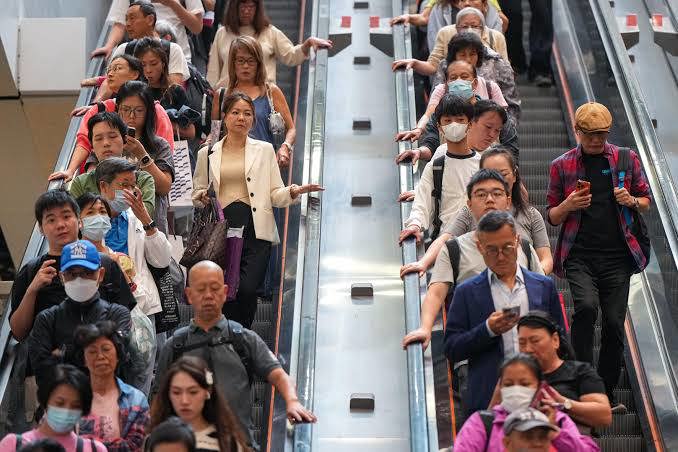
Hong Kong's railway records over 500 escalator accidents annually, mainly due to passenger behavior.
Hong Kong Railway Records Over 500 Escalator Accidents Per Year
According to MTR, Hong Kong's urban railway system records an average of over 500 accidents related to passenger escalator use each year. In the first six months of 2026 alone, this figure was 233 cases; nearly half of the cases involved elderly passengers.
More than 60% of the cases recorded since the beginning of the year were related to passengers not holding the handrail, walking or losing balance on the escalator, colliding with others, or carrying bulky luggage.
Ms. Cheris Lee Yuen-ling, Deputy Director of Operations and Urban Railway at MTR, noted that the increase in accidents is linked to the growing number of passengers and the aging population trend. Government public transport fare concession programs also enable the elderly to travel more frequently.
2,800 Escalator Accidents, 97% of Incidents Related to Passenger Behavior
MTR's data is consistent with the overall picture of escalator safety in Hong Kong.
According to Notice No. 03/2026 issued by the Hong Kong Electrical and Mechanical Services Department (EMSD) on June 18, 2026, in 2025, the department recorded 2,765 reportable escalator incidents. Of these, 2,674 incidents were determined to be related to passenger behavior, equivalent to 96.7% of the total.
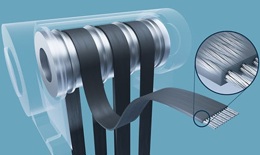
In addition, 86 incidents were related to external factors, and only 5 incidents were identified as originating from equipment faults. These five technical incidents included: 3 cases of non-synchronous handrail operation due to faulty drive units; 1 case of steel core protruding from the handrail surface; and 1 case of emergency escalator stop due to a malfunctioning control relay.
The technical incidents resulted in four injuries, with no fatalities recorded.
EMSD recorded one fatality in the group related to passenger behavior. The victim lost balance and fell on the inclined section of an upward escalator.
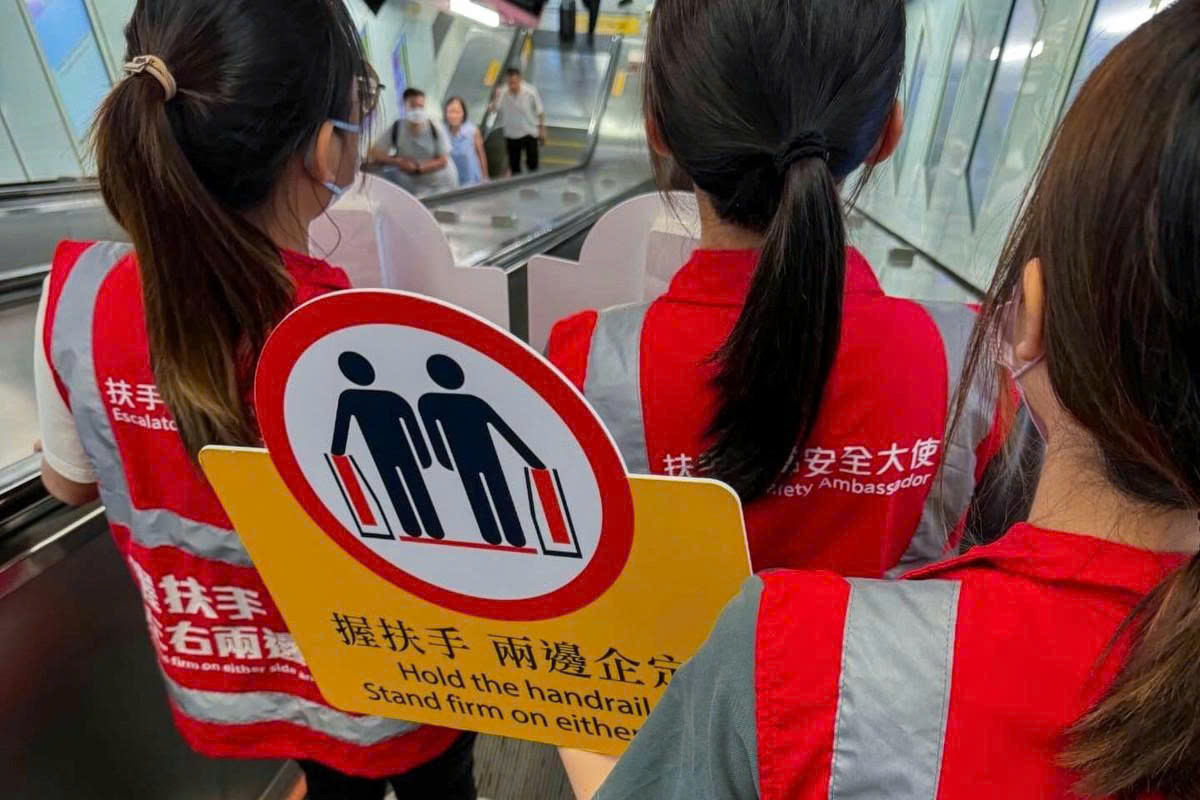
Encouraging passengers to stand on both sides of the escalator is expected to reduce the number of escalator accidents
Although the number of reportable incidents remains high, the escalator incident rate in 2025 decreased by 3.7% compared to 2024. EMSD recommends that contractors, engineers, equipment management units, and users continue to cooperate to reduce this rate in 2026; while also focusing on handrail inspection, quality control of work, and promoting safe escalator usage instructions.
According to the Deputy Director of Operations and Urban Railway at MTR, many accidents occur when passengers do not hold the handrail. MTR escalators are designed to automatically stop when sensors detect foreign objects. If walking or not holding the handrail, passengers may lose balance and fall when the escalator stops suddenly.
MTR therefore advises passengers to stand still and hold the handrail throughout the ride. Those feeling unwell or carrying heavy, bulky luggage are advised to use the elevators at stations.
From "Stand Right, Walk Left" to "Stand on Both Sides"
Since the 1980s, MTR had encouraged passengers to follow the "stand right, walk left" rule. However, starting in 2024, the company began changing its message, urging passengers to stand still on both sides of the escalator.
MTR believes the new usage method is safer and more efficient. However, changing a habit that has existed for decades has received mixed opinions.
Hong Kong is not the only place trying to change the "stand one side, walk one side" rule. South Korea has announced plans to implement a nationwide campaign calling on people to stand on both sides of escalators during the 2026–2030 period, coordinated by the Ministry of the Interior and Safety and the Korea Elevator Safety Agency.
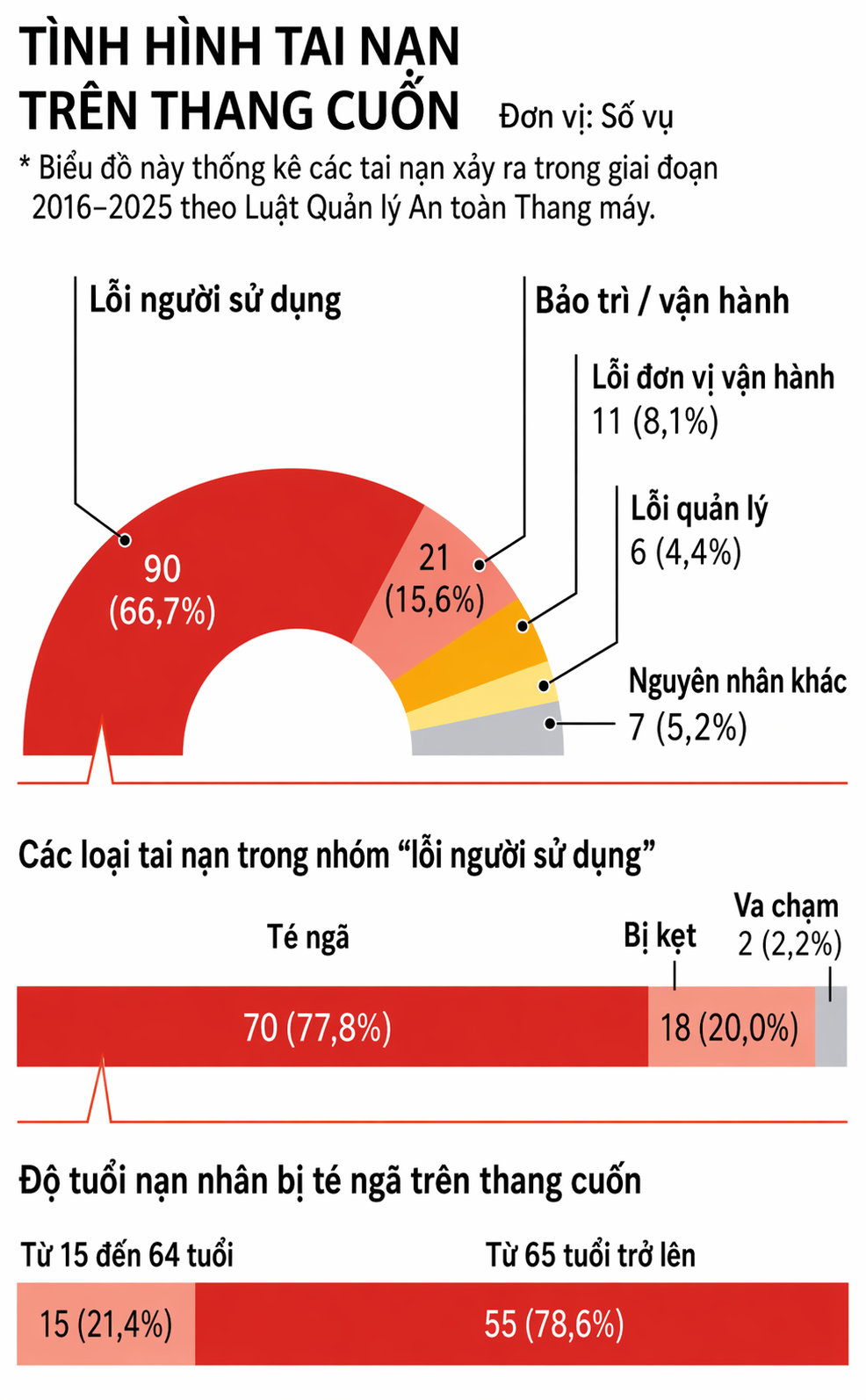
During the 2016–2025 period, South Korea recorded 135 serious escalator accidents; 66.7% were related to user error and falls accounted for 77.8%. The majority of victims were aged 65 or older. Some accidents occurred when passengers were walking or moving aside to make way, leading to loss of balance.
South Korea's campaign aims not only to change behavior and ensure passenger safety but also to limit the frequent concentration of load on one side, which causes uneven wear and tear on the equipment.