



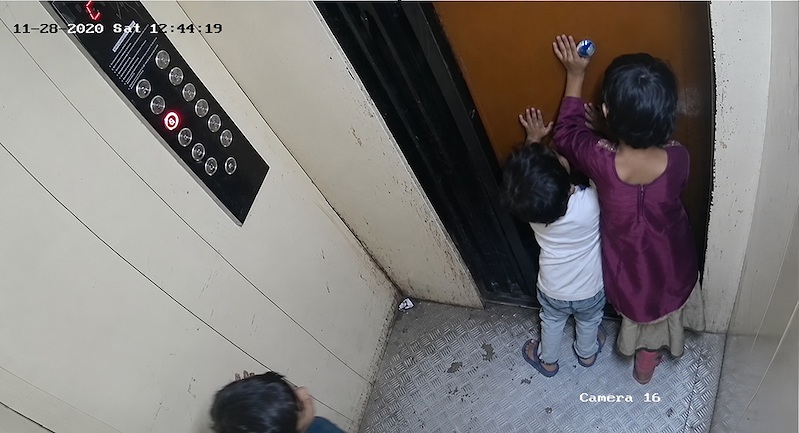
Children under 12 years old in India are not allowed to use elevators or escalators without adult supervision.
According to The Times of India, the Government of Maharashtra (India) has issued the Maharashtra Lifts, Escalators and Moving Walks Rules, 2026, setting stricter requirements for safety, maintenance, and licensing of these devices.
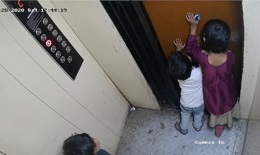
Under these rules, children under 12 years old are not permitted to use elevators, escalators, or moving walks unless accompanied by an adult. Violations of operating conditions may result in the revocation of the device's license.
The regulations also prohibit the employment of individuals under 18 years old as elevator operators.
The new requirements place more specific responsibilities on building owners, equipment owners, and maintenance units, from periodic inspections and installation of additional safety devices to receiving emergency calls and reporting accidents.
Elevator accidents involving children in India:
- July 2026: Mohammad Zain Zamir Tahsildar, 12 years old, died after falling from the 10th floor into an open elevator shaft at Shamim Tower in the Nehru Nagar area. According to reports, the elevator door malfunctioned when he leaned against it while playing hide-and-seek.
- July 2023: Rudra Barhate, 10 years old, fell from the 7th floor into an elevator shaft in the Lallubhai Compound area. The accident was reportedly linked to a malfunctioning elevator undergoing repairs. Members of the building management committee and the elevator technician were booked by police.
- November 2020: Huzaifa Sarfaraz Shaikh, 5 years old, died after being trapped between the sliding iron gate and the wooden door when the elevator began moving as he was stepping out. He fell into the elevator shaft and sustained head injuries that led to his death.
- February 2019: The foot of Devansh Jeswani, 4 years old, was crushed after being caught in the collapsible iron door of the elevator. He had to undergo four surgeries, including skin grafting, to save his foot.
Monthly Maintenance, Additional Safety Devices Within One Year
Accordingly, elevators, escalators, and moving walks must be inspected and maintained by a registered contractor at least once a month. In addition, the equipment must be inspected annually by a licensed party or authorized contractor; the inspection report must be submitted to the electrical inspector.
The new regulations require elevators to be equipped with additional safety systems, including closed-circuit television (CCTV) cameras, automatic rescue devices (ARD), and overload protection devices (OLPD). Existing elevators that do not have these systems must have them installed within one year from the date the regulations are published.
Elevator maintenance contractors must provide a 24/7 direct call receiving service at service stations, ensuring timely receipt of and response to complaints and emergency assistance requests.
In the event of an accident, the incident must be reported to the electrical inspector and the local police station within 24 hours.
Control of Decommissioned Equipment
The new regulations also set safety requirements for elevators, escalators, and moving walks that are no longer in use. Owners must dismantle the equipment or disconnect the power supply, and ensure the equipment is in a mechanically safe condition.
Doors, openings, and access points must be securely locked or barricaded to prevent unauthorized persons from entering the elevator shaft and equipment installation areas. Decommissioned escalators and moving walks must not be used as stairways or pedestrian pathways.
Licensing conditions for operation have also been tightened. Installations must comply with the applicable National Building Code or Bureau of Indian Standards codes of practice, along with relevant regulations on building development management.
Licensees must not make changes that affect the safe operation of the equipment or compromise the safety of users, maintenance personnel, and people in the surrounding area.