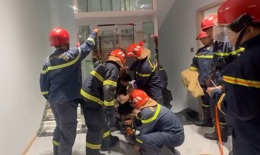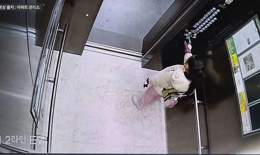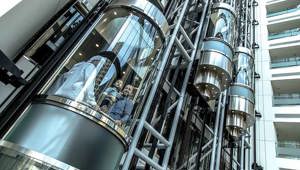


On October 28, the Firefighting and Rescue Team of Region 21 under the Fire Prevention and Fighting and Rescue Police Division (PC07, Ho Chi Minh City Police)rescued a Chinese national trapped in an elevator at the Lavila Nha Be villa area.
Immediately upon receiving the information, the unit mobilized forces and vehicles to the scene to deploy rescue operations.
At the scene, the authorities used spreading and hydraulic cutting equipment to reach and bring the man out.ứu h
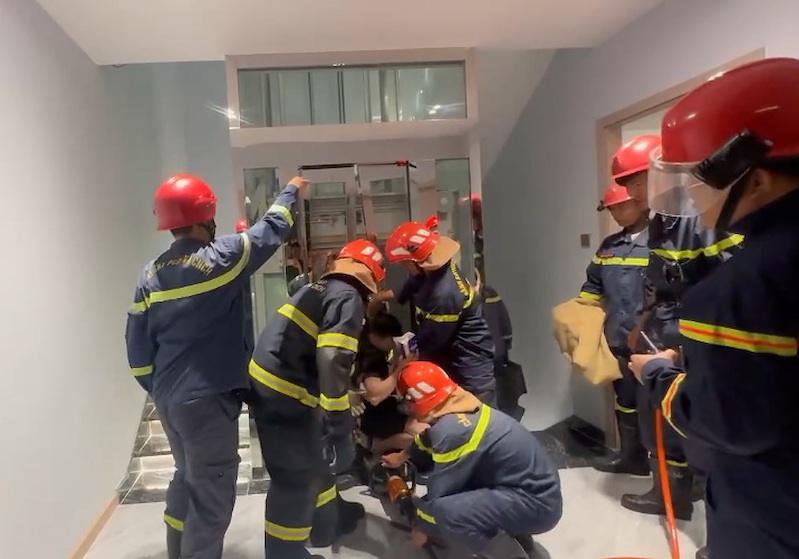
However, the recorded images show that the elevator door was only partially opened, and the trapped person had to squeeze through the narrow door gap to get out. The situation raises concerns about the risk of injury, especially in the event that the cabin suddenly moves during the extraction process.
The incident highlights the urgent need for in-depth training in elevator rescue skills for fire prevention and fighting and rescue forces, technical teams, and building operations managers. Along with training, coordination with elevator technical units should be strengthened to carry out timely rescue in accordance with proper procedures, ensuring safety for both the trapped person and the rescue forces, while limiting equipment damage.
In Circular 42/2019/TT-BLDTBXH on the National Technical Regulation on Occupational Safety, the design requirements for elevators mandate that there must be one of two rescue methods: automatic rescue or manual rescue, and the manufacturer must provide an appropriate rescue procedure in the event of an incident.
Specifically, the regulations on rescue work require elevators to be equipped with an electric rescue system or manual rescue system so that operations can be easily performed during elevator rescue in the event of an incident:
Manual rescue:
- Manual rescue means must be provided for the elevator (operating rod, pulling lever, pulling hook, etc.) to move the cabin to the nearest landing floor.
- If the driving machine cannot be accessed during manual rescue, there must be a brake release mechanism for the driving machine located outside the elevator hoistway at a position convenient for the person performing the rescue operation.
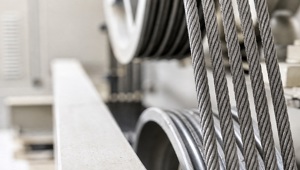
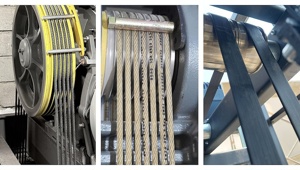
- At the brake release position, there must be measures to easily identify the cabin position (markings on the cable or observation of the elevator controller display system, etc.).
- There must be an overspeed governor release mechanism located outside the hoistway at a position convenient for the person performing the rescue operation.
Electric rescue: The elevator must be equipped with electric rescue means and must meet the following requirements:
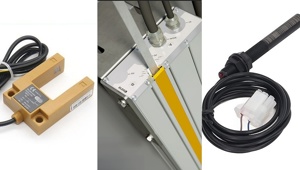
- Allow control of cabin movement from the control cabinet (the control cabinet must be placed outside the elevator hoistway at a position convenient for the person performing the rescue operation) by pressing a button continuously. The direction of movement must be clearly indicated.
- If the control cabinet is installed inside the hoistway and cannot be accessed, an alternative control device must be provided.
The manufacturer must provide an emergency rescue/incident handling procedure and technical recommendations during the use of the elevator. In addition, cable activation for the safety gear, lever activation for the safety gear, etc. must be carried out so that rescue operations can take place in all situations.