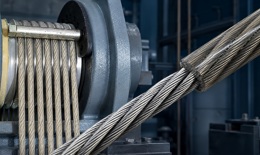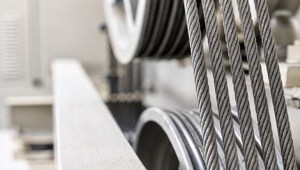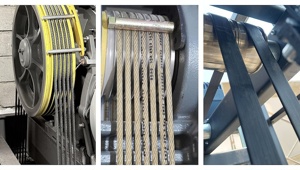




Alongside traditional round steel cables, the market now offers various other technologies such as high-strength PU-coated steel cables, PU-coated steel-core flat cables/belt cables, and cables using synthetic fiber or carbon fiber cores. Each technology was developed to address different requirements and each has its own limitations.
To help consumers make informed choices, Elevator Magazine presents a series of articles on elevator suspension cables, consisting of two parts:
Part 1 – What is an elevator suspension cable? - Some regulations related to cables; Why manufacturers need to develop new-generation elevator suspension cables.
Part 2 – Types of elevator suspension cables: Should you choose traditional round steel cables?
Part 3 – Types of elevator suspension cables: Should you choose PU-coated round steel cables?
Elevator Magazine hopes that through this series, consumers will have additional basis for selecting technology suited to their project and long-term usage costs.
Three common groups of elevator suspension cable technologies
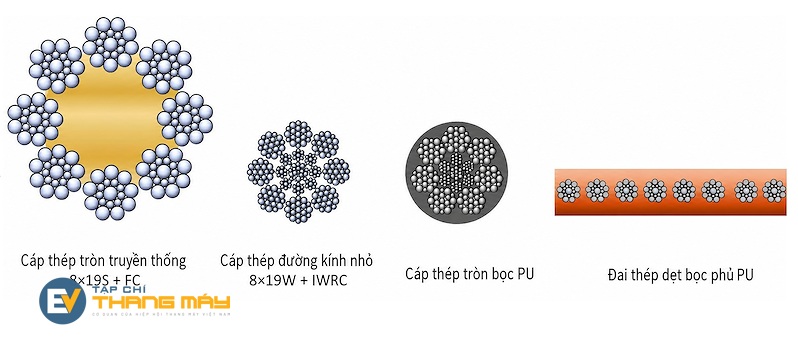
Classified in a way that is easy for consumers to recognize, suspension means in elevators today can be divided into three common main groups:
1. Traditional round steel cables - steel wire ropes;
2. High-strength elastomer-coated steel cables (*) - Elastomeric coated ropes - steel wire;
3. Elastomer-coated flat suspension cables/belt cables - Elastomeric coated belts.
(*) Elastomer is the general term for any synthetic or natural material with elastic properties such as rubber. In elevator applications, manufacturers typically use polyurethane (PU), a high-durability synthetic plastic.
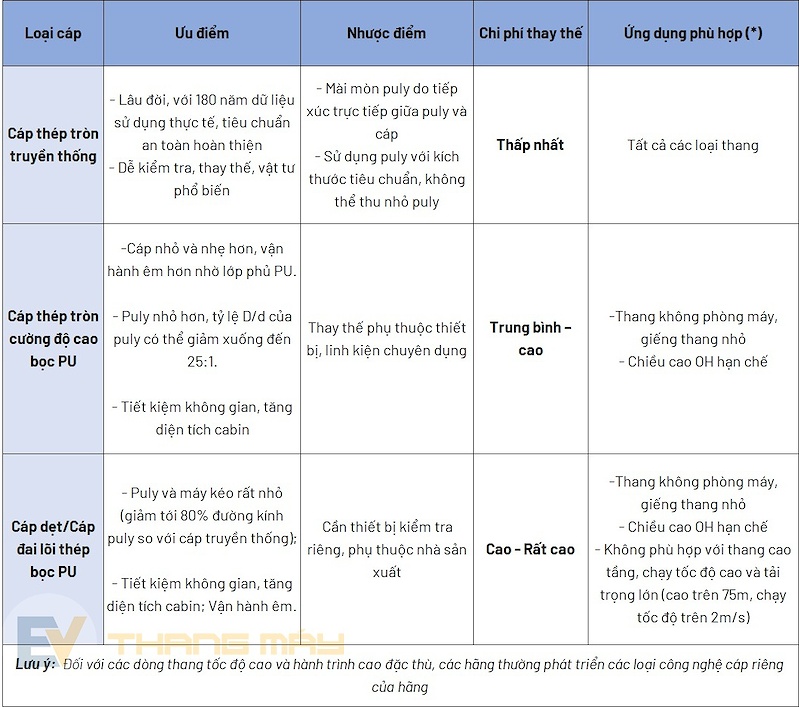
Comparison of elevator suspension cable technologies
1. Should you choose elastomer/PU-coated flat cables/belt cables (Elastomeric coated belts) for elevators?
Elastomer/PU-coated flat suspension cables/belt cables are a relatively new technology compared to traditional round steel cables. This technology emerged in the 1990s, when the elevator industry developed gearless traction machines and machine-room-less elevators. Traditional round steel cables require relatively large pulleys, making it difficult to achieve the goals of miniaturizing traction machines and saving space.
Unlike traditional round steel cables braided around a core or PU-coated high-strength steel cables, as the name suggests, flat suspension cables/belt cables have a flat shape, typically consisting of many very small high-strength steel wires or strands, arranged in parallel and encased in a layer of elastic material, commonly polyurethane (PU). The flat cross-section helps distribute pressure on the pulley and allows for the use of smaller pulleys.
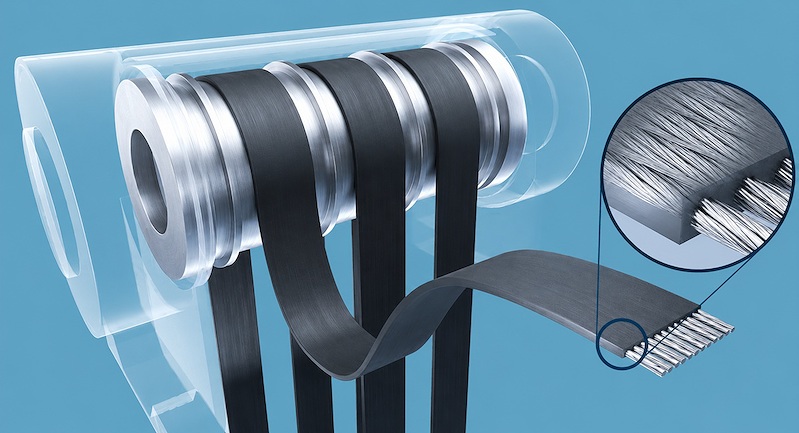
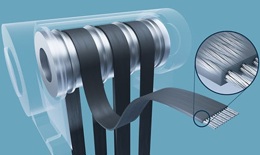
Simulation of a flat suspension cable/belt cable with steel core
This type of flat suspension cable/belt cable technology was first widely commercialized by Otis in 1999 on the Gen 2 elevator line.
Otis Gen2 and Schindler Suspension Traction Media – STM (introduced by Schindler in 2008) both belong to the group of flat suspension cables/belt cables using PU-coated steel load-bearing elements.
2. Advantages of PU-coated flat suspension cables/belt cables:
Flat suspension cables/belt cables arrange small steel strands in parallel within a PU coating layer, thereby reducing cable diameter and traction machine pulley diameter. This structure allows for a reduction of nearly 80% in traction pulley diameter, thereby miniaturizing the traction machine and enabling machine-room-less elevator layouts, helping to save overall architectural space in the project.
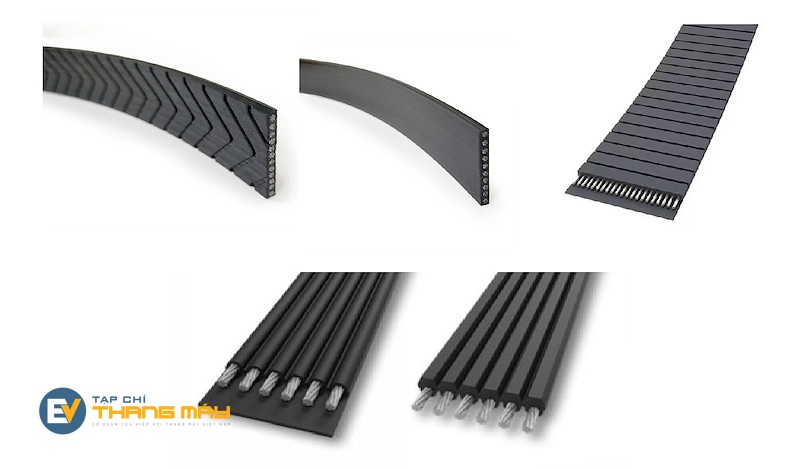
PU-coated steel-core flat cables/belt cables also come in many different structural designs, depending on the manufacturer's technology. Therefore, the shape of traction machine pulleys used with flat cables will also vary.
Compared to traditional round steel cables, the PU coating prevents direct contact between steel and pulley, helping to reduce noise and wear on metal components between the pulley and cable; it also allows for better control of grip and friction between the cable belt and pulley. When combined with permanent magnet traction machines and regenerative drives, the system can also reduce operating power consumption.
3. Disadvantages of PU-coated flat suspension cables/belt cables:
For round steel cables, maintenance personnel in the machine room can directly observe and count broken steel wires. With PU-coated steel belts, the steel cores are concealed, so wear levels cannot be assessed using traditional steel cable inspection methods.
Flat cables/belt cables require specialized monitoring equipment from the manufacturer to detect internal degradation of the cable core, and technicians must still visually inspect the condition of the coating.
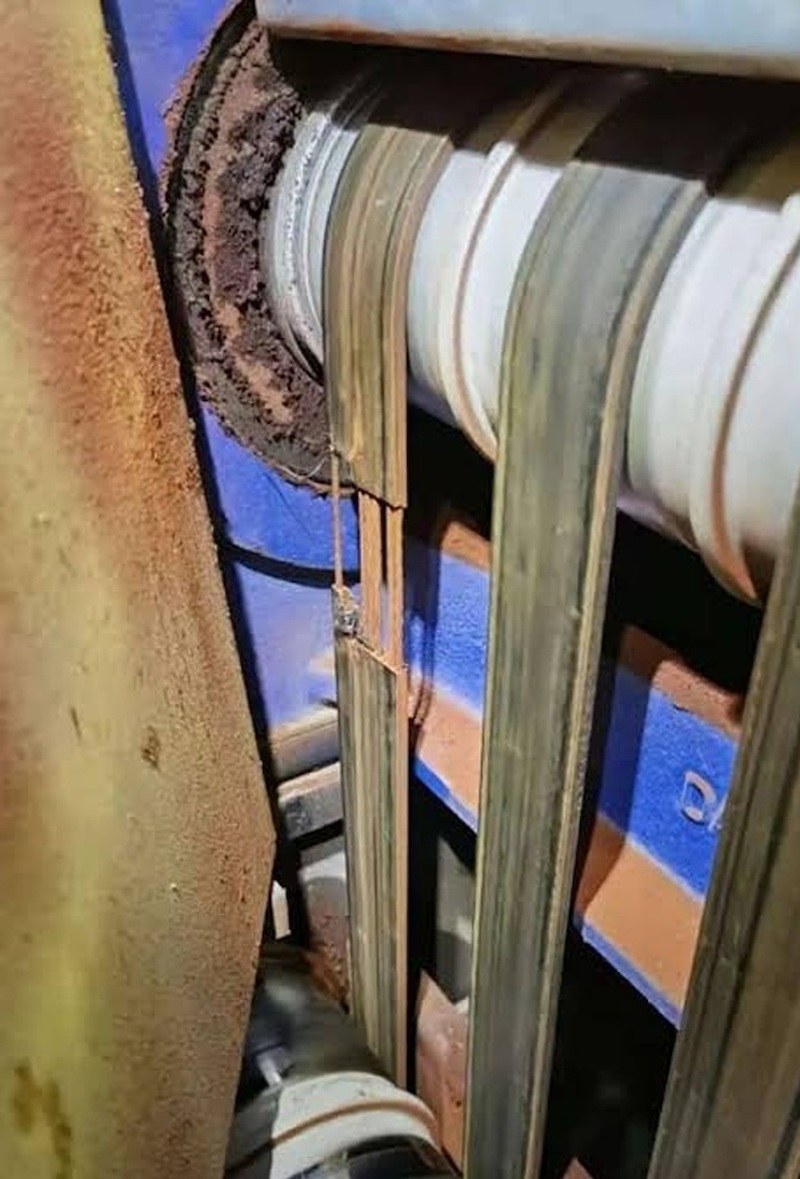
Flat cable/belt cable with severe aging, broken sheath and rusted cable
Similar to PU-coated round steel cables, the durability of the PU coating directly affects the overall lifespan of the cable. In cases of installation in projects with harsh weather conditions such as outdoors, direct exposure to UV rays, high temperatures; or chemical environments, salt spray; high humidity... these can accelerate the aging process, leading to PU sheath cracking.
Inspecting this type of cable requires equipment, monitoring methods and replacement criteria specific to each manufacturer. Material, inspection and replacement costs are typically higher than traditional steel cables; spare parts supply may depend heavily on the manufacturer.
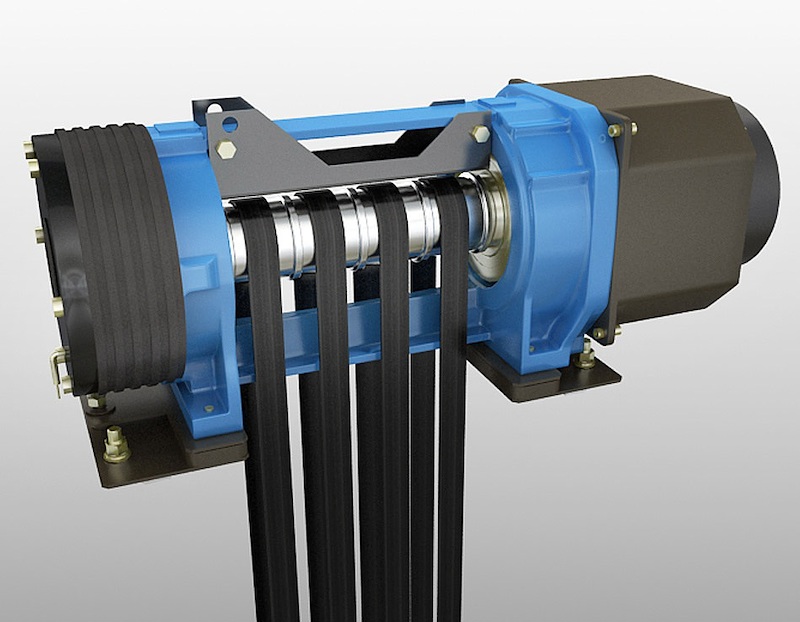
Traction machines for flat cables will have a flat pulley surface and small dimensions. Depending on the type of flat cable, the pulley construction will vary.
In renovation projects, flat cables/belt cables cannot directly replace round steel cables or flat cable technologies of different shapes. Conversion typically must be done comprehensively for the pulley, traction machine, cable connectors and monitoring system.
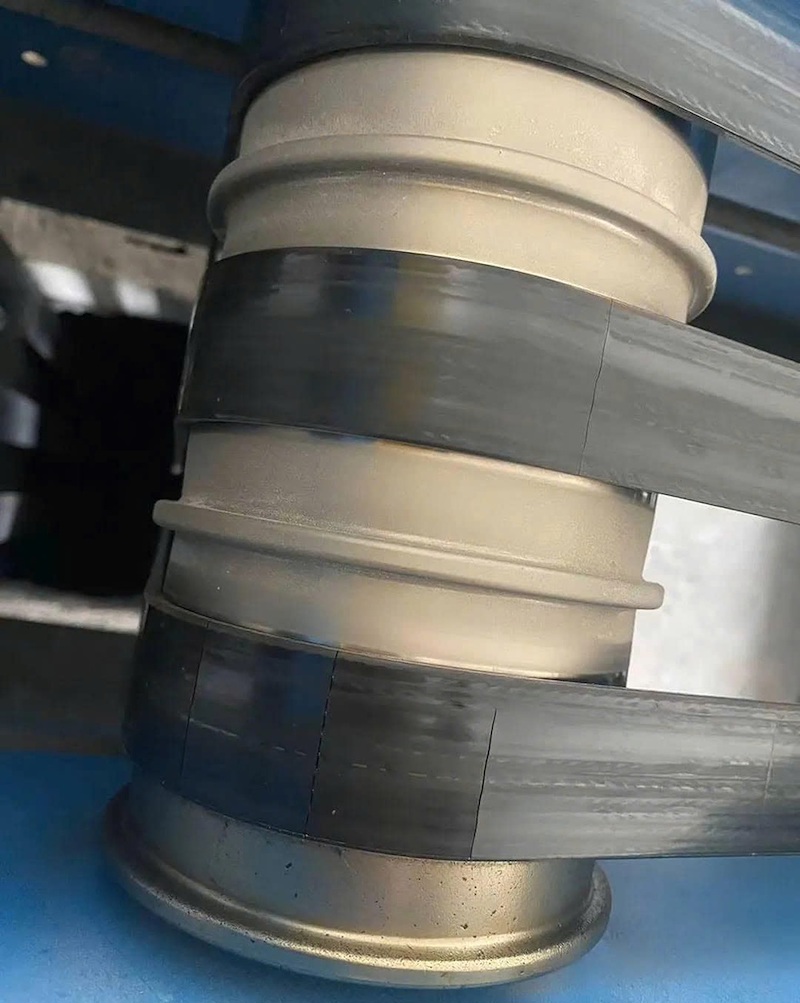
For cables coated with PU or other elastic materials, technicians need to carefully assess the condition of aging, belt cracking, plastic belt wear...
In Europe, small-diameter cables are only permitted when the system has a conformity assessment certificate issued by a designated organization. This makes the testing and certification process more complex compared to traditional steel cables.
According to Mr. Zhang Lexiang, former Secretary-General of the China Elevator Association, some cases in that market recorded flat suspension cables lasting only about 3-5 years, significantly lower than advertised, while replacement costs were 8-10 times higher than traditional steel cables. In response to these concerns, China's State Administration for Market Regulation (SAMR) required suppliers to guarantee a minimum lifespan of 15 years for flat suspension cables, and to provide free replacement if the cable fails before the committed period.
4. Applications of PU-coated flat suspension cables/belt cables:
Similar to PU-coated round steel cables, PU-coated flat suspension cables/belt cables are mainly used in traction elevators with gearless traction machines, especially machine-room-less elevators and projects with limited hoistway space and OH height.
The load range, speed and travel also depend on the tested and certified design of each system. PU-coated steel-core flat suspension cables/belt cables are not suitable for high-rise elevators, high-speed operation and large loads (above 75m height, operating speed above 2m/s).
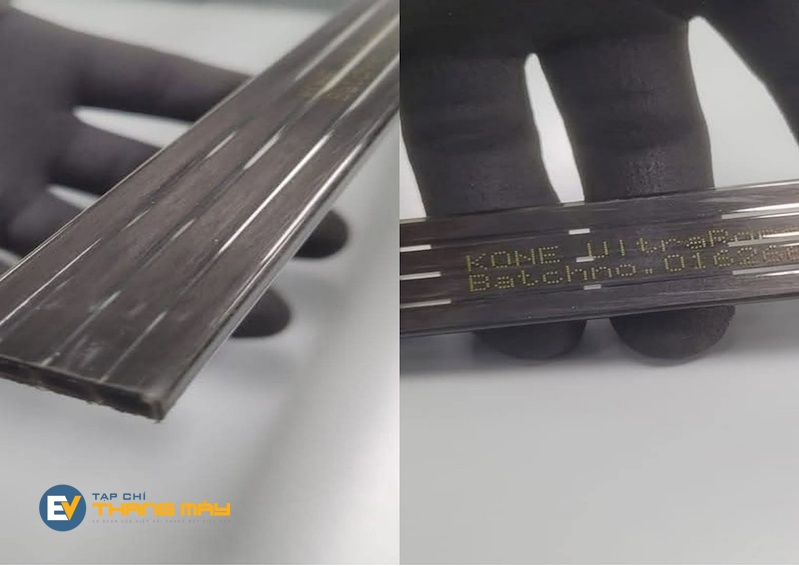
Kone Ultrarope cable has a flat construction, with carbon fiber inside and an elastic coating outside, designed specifically for ultra-high-rise elevators.
Note: Unlike PU-coated steel-core flat suspension cables/belt cables, KONE UltraRope is a different group, also with a flat shape but with load-bearing elements made of carbon fiber surrounded by a high-friction coating.
For ultra-high-rise projects, the weight reduction advantage is more evident in cables using ultra-light carbon fiber cores such as KONE UltraRope, which was developed specifically for very long travel distances.
5. Which cable technology to choose for your project
After the series "Which elevator suspension cable is best?", each suspension cable technology addresses a different requirement. Round steel cables have advantages in terms of popularity, inspectability and wide application range; PU-coated round cables and PU-coated flat steel belts help miniaturize pulleys and traction machines, suitable for machine-room-less elevators and projects with limited OH space.
Meanwhile, carbon fiber suspension cables demonstrate clearer advantages in ultra-high-rise elevators with very long travel distances thanks to significantly reduced suspension system weight.
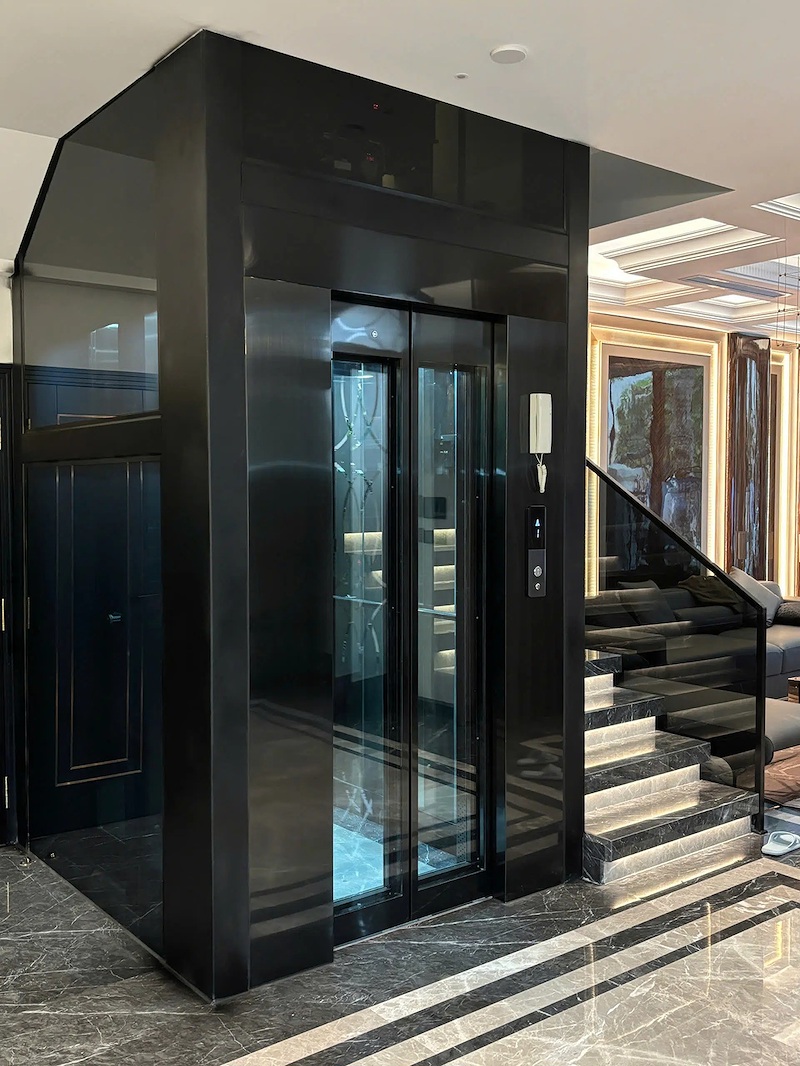
For residential projects and low-rise buildings, consumers can flexibly choose cable technologies, ensuring optimization of initial installation costs, replacement costs, etc. In cases of small hoistways with OH lower than standard, financial considerations can be balanced to choose PU-coated round cable technology or PU-coated flat cables/belt cables from suppliers with full testing certificates and safety certifications.
Therefore, consumers should not choose based solely on the name or newness of the technology. For home elevators, investors can flexibly choose but need to consider maintenance capability, material supply sources and replacement costs. For high-rise, high-speed elevators or those with exceptionally long travel, cable technology must be selected in sync with load, speed, building height and overall system design.
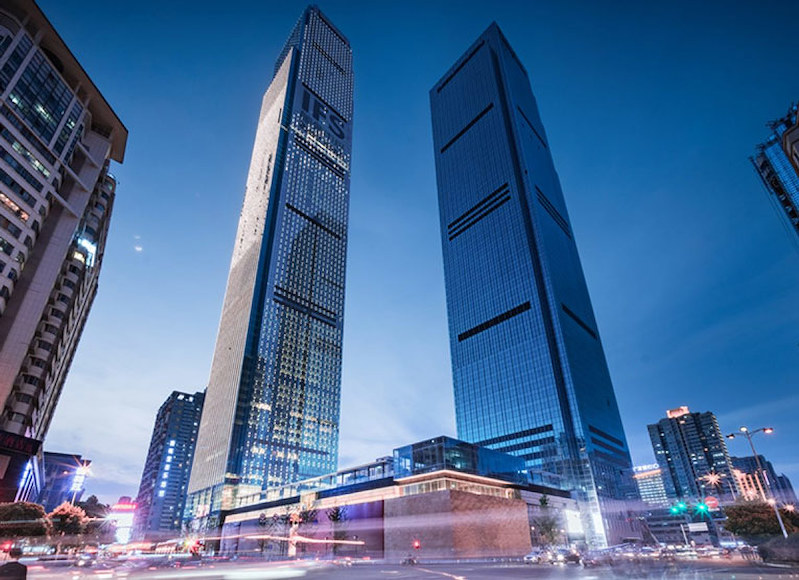
For ultra-high-rise buildings and high-speed elevators, cable technology must be selected that is designed and tested in sync with the elevator system.
Ultimately, the most suitable cable is not necessarily the most modern one, but the one that meets the project's specific needs and can be reliably inspected, maintained and replaced throughout the elevator's lifecycle.