



The World Reels Under Record Heat, Reaching 50°C in Some Areas
EM - Record-breaking heatwaves are enveloping regions from Europe to Asia, with temperatures soaring to 50°C in some locations.
In recent days, Hanoi specifically and Northern Vietnam in general have experienced a widespread heatwave. On August 4, 2025, the Lang weather station recorded 40.3°C – the highest temperature ever recorded for August at this station. Beyond Lang, stations in Ha Dong, Ba Vi, Son Tay, and Hoai Duc exceeded 39°C. In the southern delta, Phu Ly station (Ninh Binh) also recorded 40.2°C.
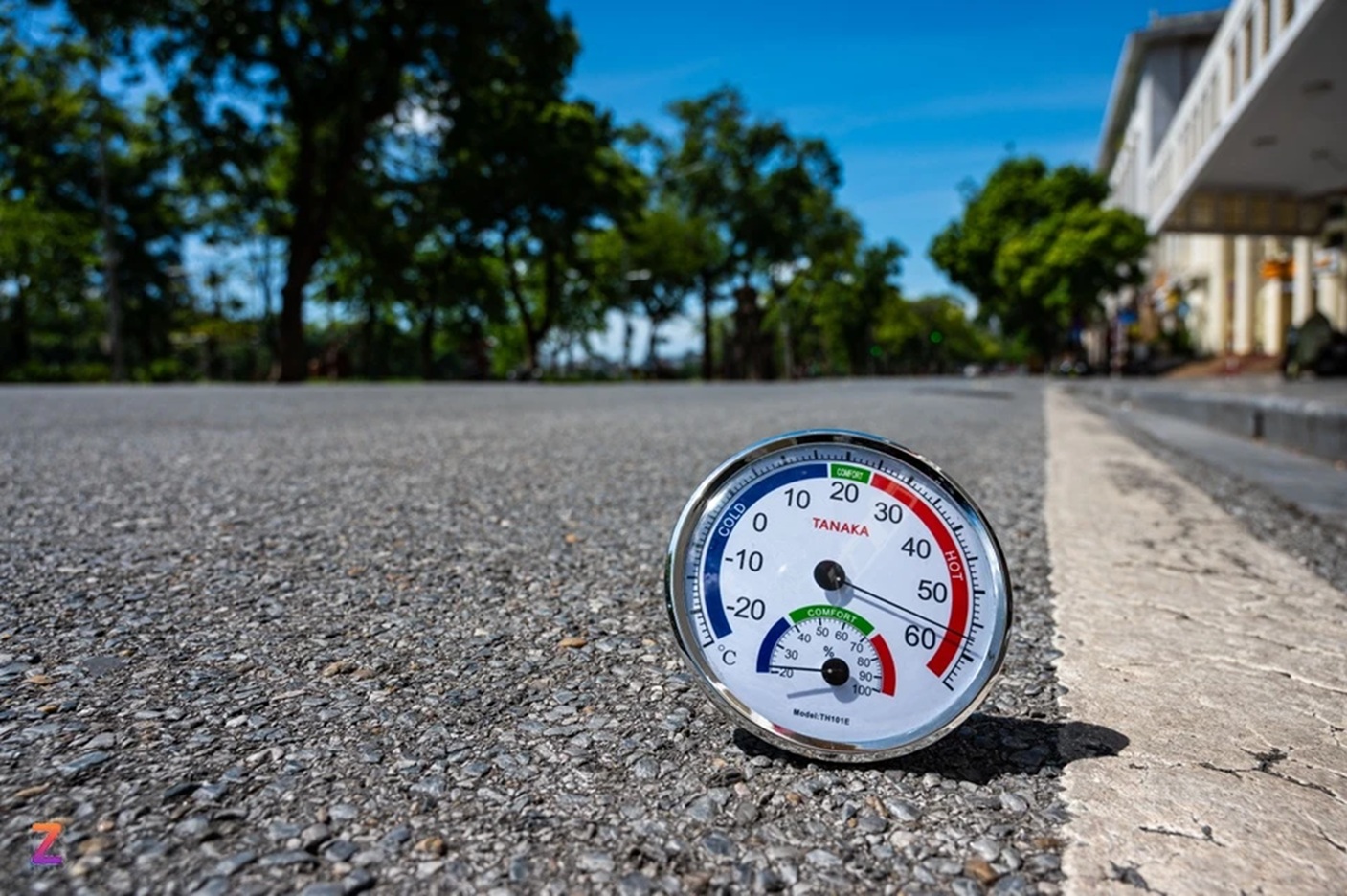
At Hoan Kiem Lake (Hanoi) at 1:30 PM on August 4, the "real feel" outdoor temperature surpassed 50°C. Many areas felt scorching hot due to the urban heat island effect.
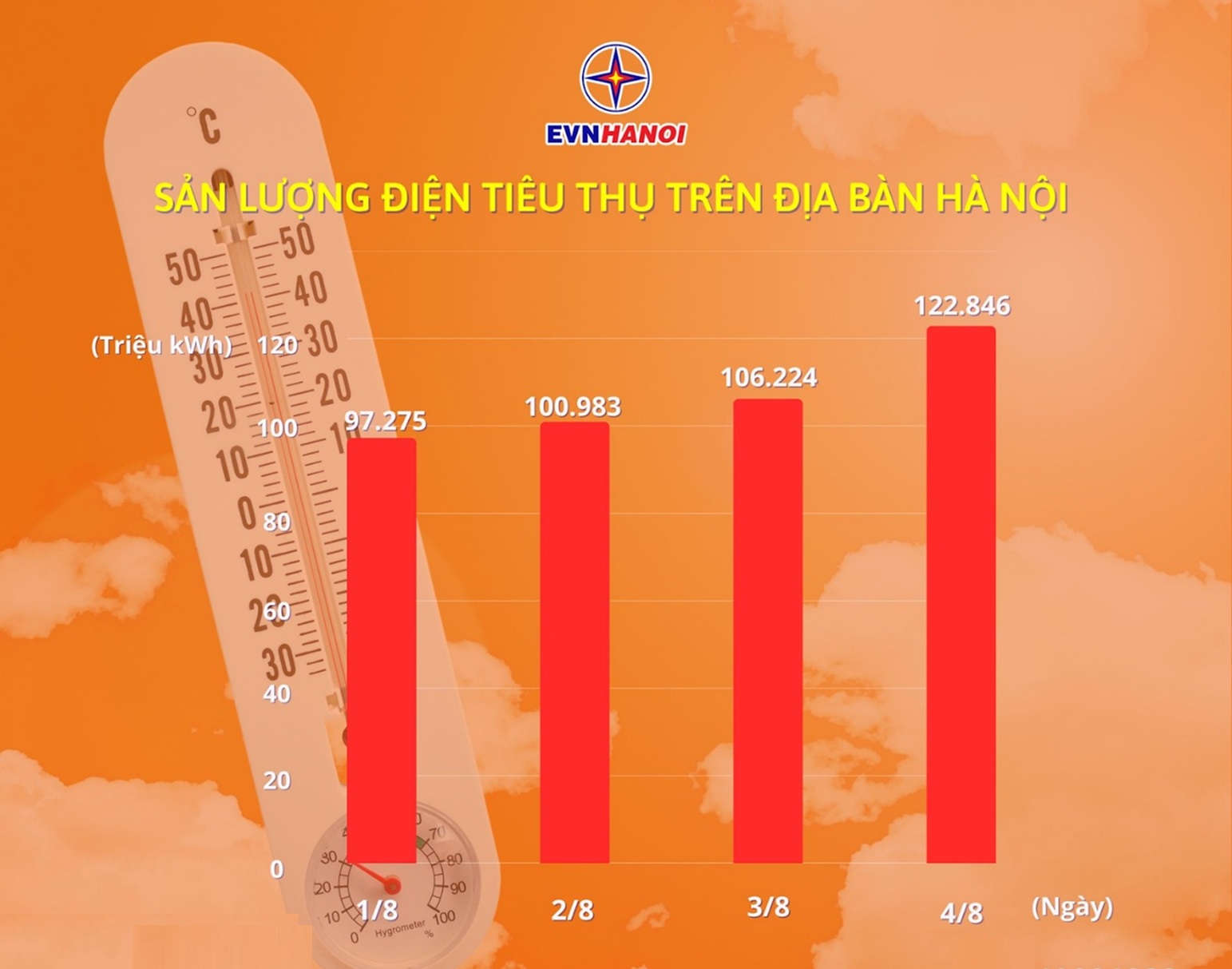
Extreme weather conditions have caused a sharp spike in electricity consumption in the North. In the capital alone, data from the Hanoi Power Corporation (EVNHANOI) showed that power consumption across the city hit an all-time high, reaching a peak of 5,988 MW at 1:20 PM on August 4, representing an increase of approximately 14% compared to the record capacity of 2024.
According to the National Center for Hydro-Meteorological Forecasting, from the evening of August 4 to August 7, widespread heavy rain may occur in the Northern mountainous and midland regions. Heat in the North will gradually decrease from August 5, while the region from Thanh Hoa to Da Nang and from Quang Ngai to Khanh Hoa will continue to face heat for several days. The Central Highlands and the South will see scattered showers in the evening, with some places remaining hot during the day.
Previously, in July 2025, the North experienced three heatwaves (July 8-9, July 17-19, and July 28-31) with temperatures 0.5 to 1.5°C higher than the multi-year average. The forecast for August indicates that heat will be concentrated mainly in the first half of the month, then gradually subside. The average monthly temperature is expected to be close to the multi-year average.
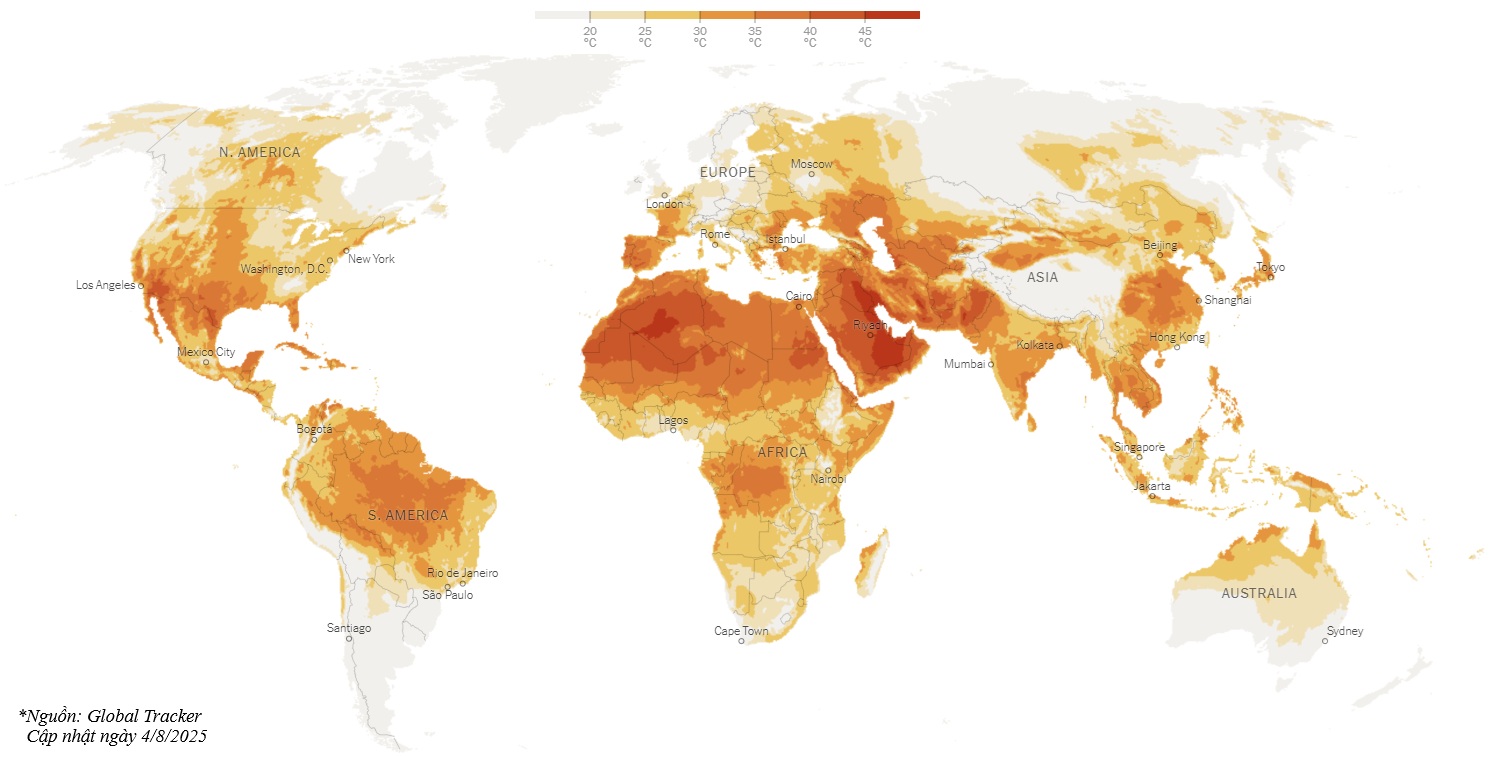
Global temperatures updated on August 4, 2025 (Source: Global Tracker, The New York Times)

Record heat covers many parts of the world. According to data from the UAE National Center of Meteorology (NCM) on August 1, in the desert town of Sweihan, temperatures reached 51.8°C – the highest since 2021 and only slightly below the record of 52.1°C set in July 2002 in the same area.

Throughout June and July 2025, many inland areas of the UAE frequently witnessed temperatures exceeding 50°C. Coastal urban centers like Dubai and Abu Dhabi were not spared, with average temperatures hovering between 44°C and 46°C.



In China, Chongqing is also undergoing its most severe heatwave of the summer. For the past week, afternoon temperatures have consistently exceeded 40°C, forcing authorities to raise the heat warning to the highest level. On August 3, 2025, temperatures in Chongqing were forecast to peak at 44°C – a rare level for the city of nearly 32 million people, known as one of China's "furnaces."
In the photo: Residents of Chongqing, China, soaking in the Jialing River to cool off.

Meanwhile, according to Spain's state meteorological agency (AEMET), the second heatwave of summer 2025 began on August 3, peaking on August 5. Temperatures in parts of Andalusia and Extremadura were forecast to reach 45°C, while Madrid and central provinces would reach 40-42°C.
In the photo: Tourists use umbrellas and hand fans to shade themselves while visiting Plaza Mayor during the intense heatwave in Madrid, Spain, in early August 2025.
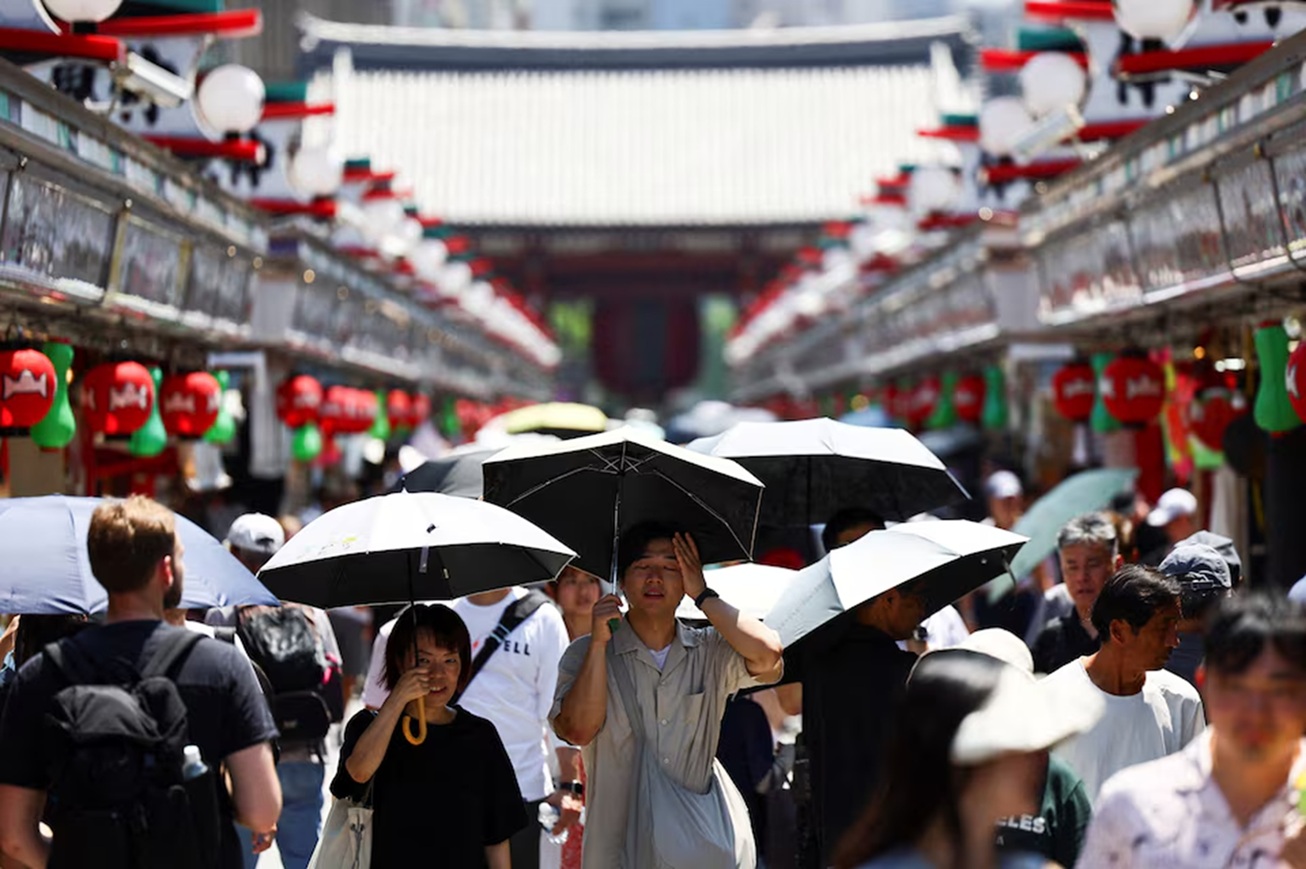

Tourists use umbrellas and hand fans to shade themselves while visiting Plaza Mayor during the intense heatwave in Madrid, Spain, in early August 2025.

The Japan Meteorological Agency (JMA) reported that on August 4, 2025 alone, 17 new temperature records were set across the country. By August 5, 2025, Japan continued to record its highest-ever temperature of 41.6°C in Isesaki City.
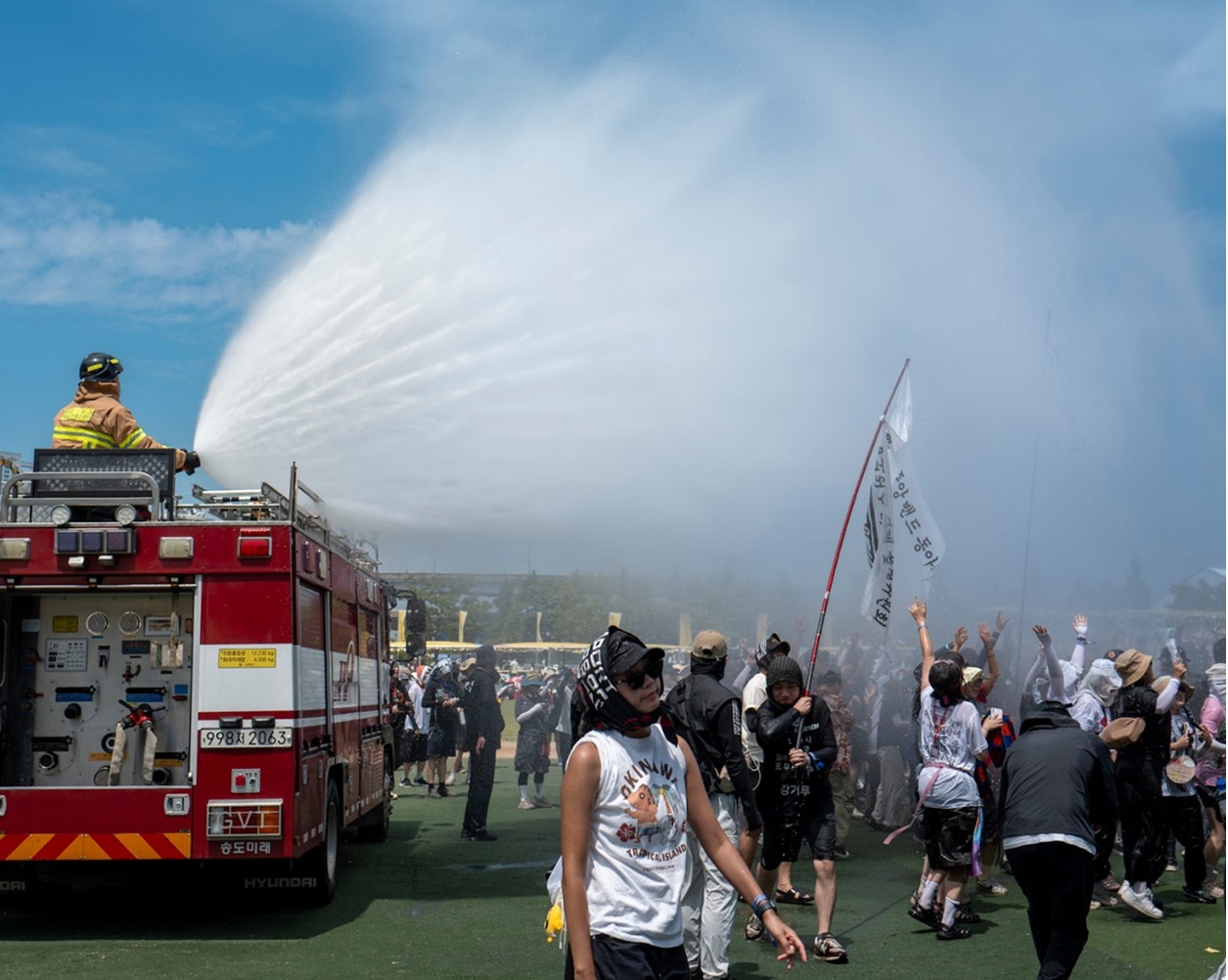
Seoul, South Korea, has experienced 22 consecutive nights where temperatures did not drop below 25°C, marking the longest streak of "tropical nights" in modern history. The night of July 31, 2025, set a record with the lowest daily temperature remaining at 29.3°C.
In the photo: South Korean firefighters spray water from a fire truck to cool the crowd at a music festival in Incheon on Saturday, August 2, 2025. South Korean children playing at public fountains to escape the heat.

Children in South Korea play in public fountains to escape the heat.
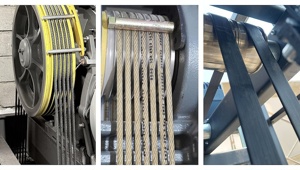
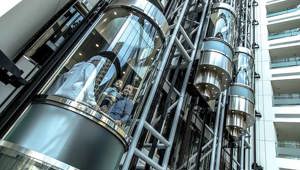
Extreme weather phenomena not only disrupt daily life and labor but also cause many elevators in hot regions to suspend operations or encounter malfunctions.
An elevator machine room operates most effectively within a standard temperature range of 5°C to 40°C. When the temperature falls outside this range, especially when it becomes too hot, it can cause operational issues and pose a risk of serious equipment failure, as analyzed in the article “How High Temperatures in the Machine Room Affect Elevators? “.
Mr. Nguyen Thanh Phong – Expert from the Emergency Response Center of the Vietnam Elevator Association, stated that when equipment temperatures exceed the allowable operating threshold, the cabin must stop at a floor to allow passengers to exit and will only resume operation when the equipment returns to a normal temperature.
In reality in Vietnam, only a few high-end elevators are fully equipped with thermal sensors for the motor, inverter, control board, and electrical cabinet. All these sensor systems are monitored and read continuously by the central controller. When temperature values exceed the allowable limit, the elevator will immediately suspend operation until the equipment temperature returns to normal before it can restart.
https://youtu.be/pss17ppNOk0https://youtu.be/Hon7jJP2eb4
The electrical cabinet signals overheating and the elevator automatically stops operation, ensuring operational and equipment safety. (Clip provided by expert)
Equipping elevators with full overheating sensor functions and activating them is a key factor in helping components function correctly and avoiding serious damage in harsh weather conditions. Some imported elevator lines are even equipped with a Prevention Access Controller (PAC) system to prevent unauthorized disabling of the thermal protection mode, ensuring absolute equipment safety.

Many cases where machine rooms containing multiple elevator motors are only ventilated naturally or by exhaust fans can lead to machine room overheating during peak summer heat.
Expert Nguyen Thanh Phong also particularly noted: "Investors, design/construction contractors, and related parties need to pay special attention to elevator machine room cooling right from the initial design and construction phase. This is essential to prevent elevator stoppages, thereby protecting reliability and extending the lifespan of elevator components and equipment.”
Content : Phương Trang
Photos: Compiled