



Kajiki Typhoon formed on August 23rd in the East Sea, reaching level 14 intensity upon making mainland. By the afternoon of August 25th, the typhoon struckThanh Hoa - Nghe An provinces with winds of level 11-12, gusting to level 14, triggering widespead heavy rainfall accross the North Central region and the Red River Delta.
The typhoon had moved into central Laos by the morning of August 26th, weakening into a tropical depression. Under the influence of the typhoon's remmants and the tropical depression, the North Central region, the Red River Delta, and the Northern midland and mountainous, including the Hanoi capital, where experienced prolonged heavy rain throughout the night, leading to flooding in multiple areas.
According to initial reports from local authorities as of 6:00 a.m. on August 26, Typhoon No. 5 claimed 3 lives (1 in Nghe An, 1 in Ha Tinh, 1 in Ninh Binh), injured 10 people (1 in Phu Tho, 5 in Ha Tinh, 4 in Quang Tri); destroyed 7 houses (in Ha Tinh); damaged or blew off roofs from 6,802 homes (Ha Tinh: 6,340); and flooded 3,094 houses (Thanh Hoa: 1,935, Ha Tinh: 1,129).
The heavy rains also inundated 28,814 hectares of rice fields (Nghe An: 4,443ha, Ha Tinh: 20,802ha, Quang Tri: 2,108ha), 2,221 hectares of crops (Nghe An: 524ha, Ha Tinh: 1,673ha), 2,202 hectares of fruit trees (Ha Tinh), and toppled 17,968 trees (Thanh Hoa: 241, Nghe An: 1,914, Ha Tinh: 15,813).

Path of the tropical depression weakened from Typhoon No. 5 as of 4:00 a.m. on August 26.
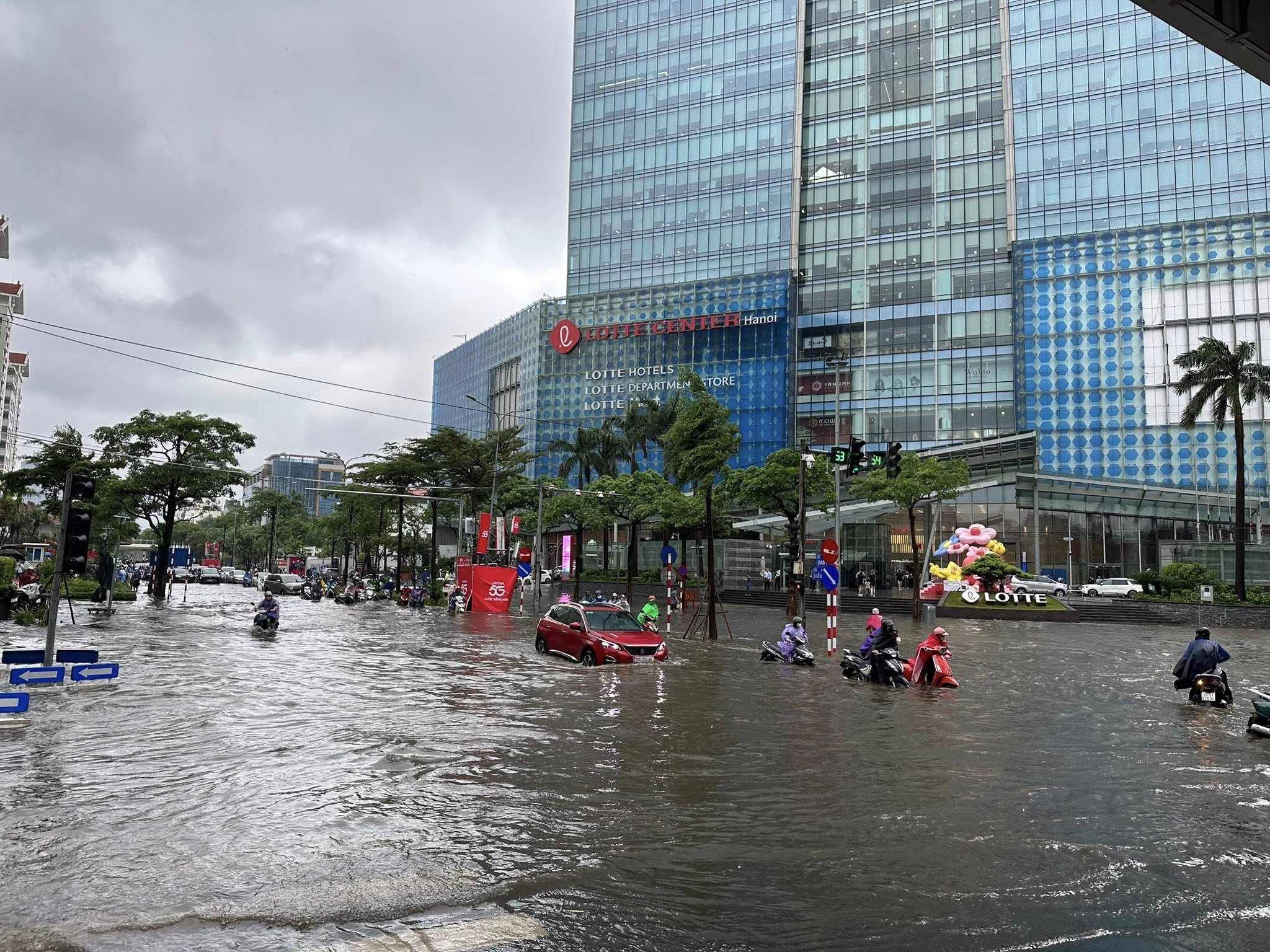
The prolonged rain from the night of August 25 into the morning of August 26 caused severe flooding on many streets in Hanoi. In the photo: The Dao Tan - Lieu Giai area deeply submerged (Photo: Thuy Nguyen)
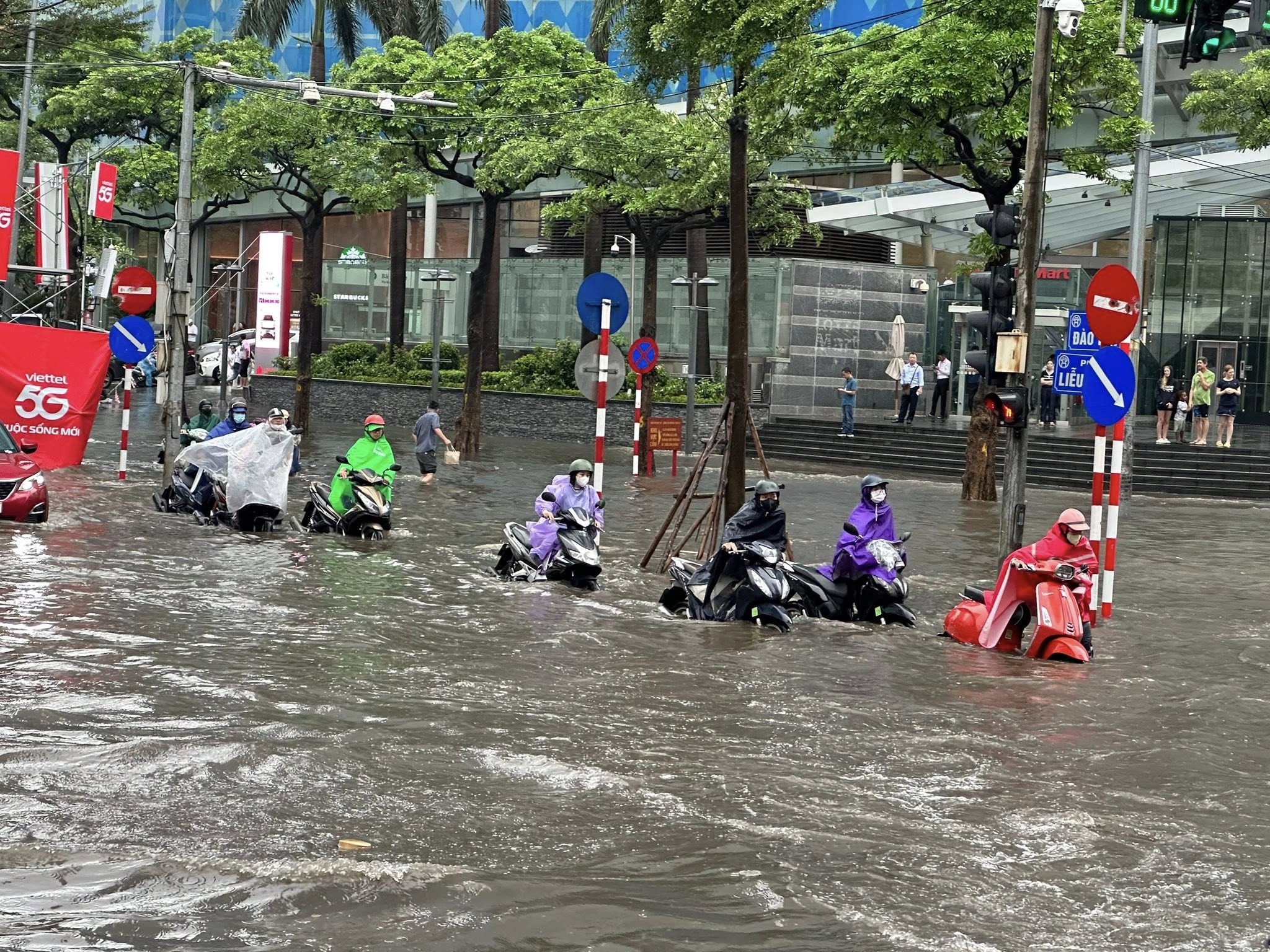
Numerous motorcycles were unable to navigate the flooded sections and had to be pushed by hand. In the photo: The Dao Tan - Lieu Giai area deeply submerged (Photo: Thuy Nguyen)
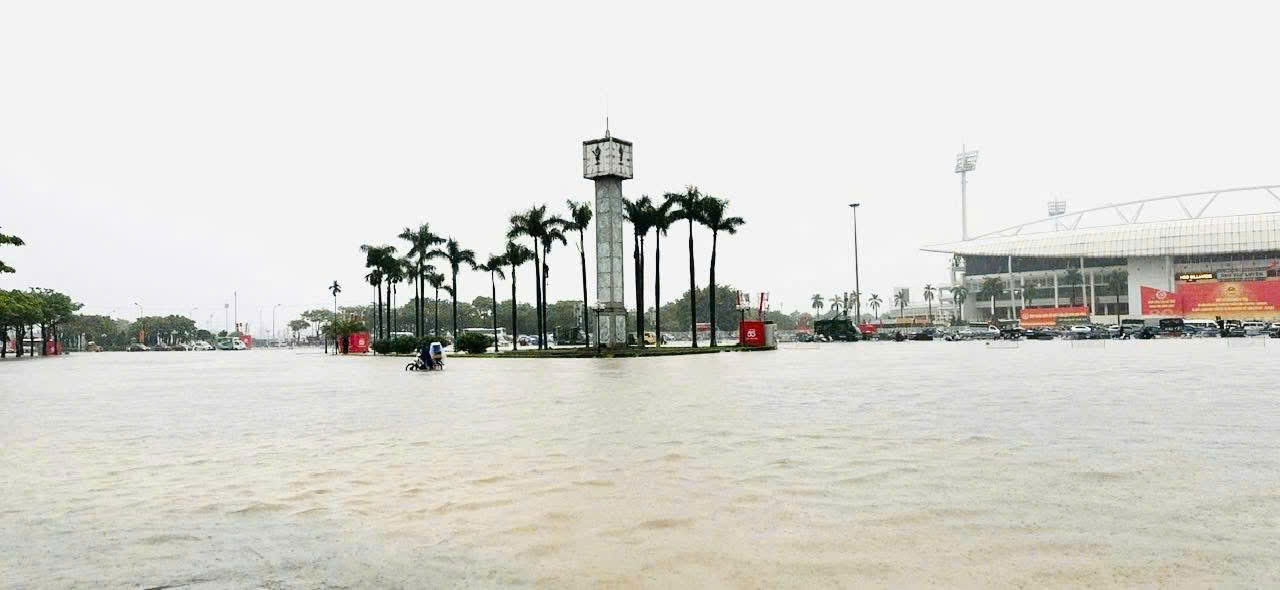
The National Stadium area in My Dinh was heavily flooded, turning into a sea of water.

A sycamore tree uprooted and fell onto a car at the intersection of Tran Phu and Chu Van An streets. (Photo: Nguyen Khanh)
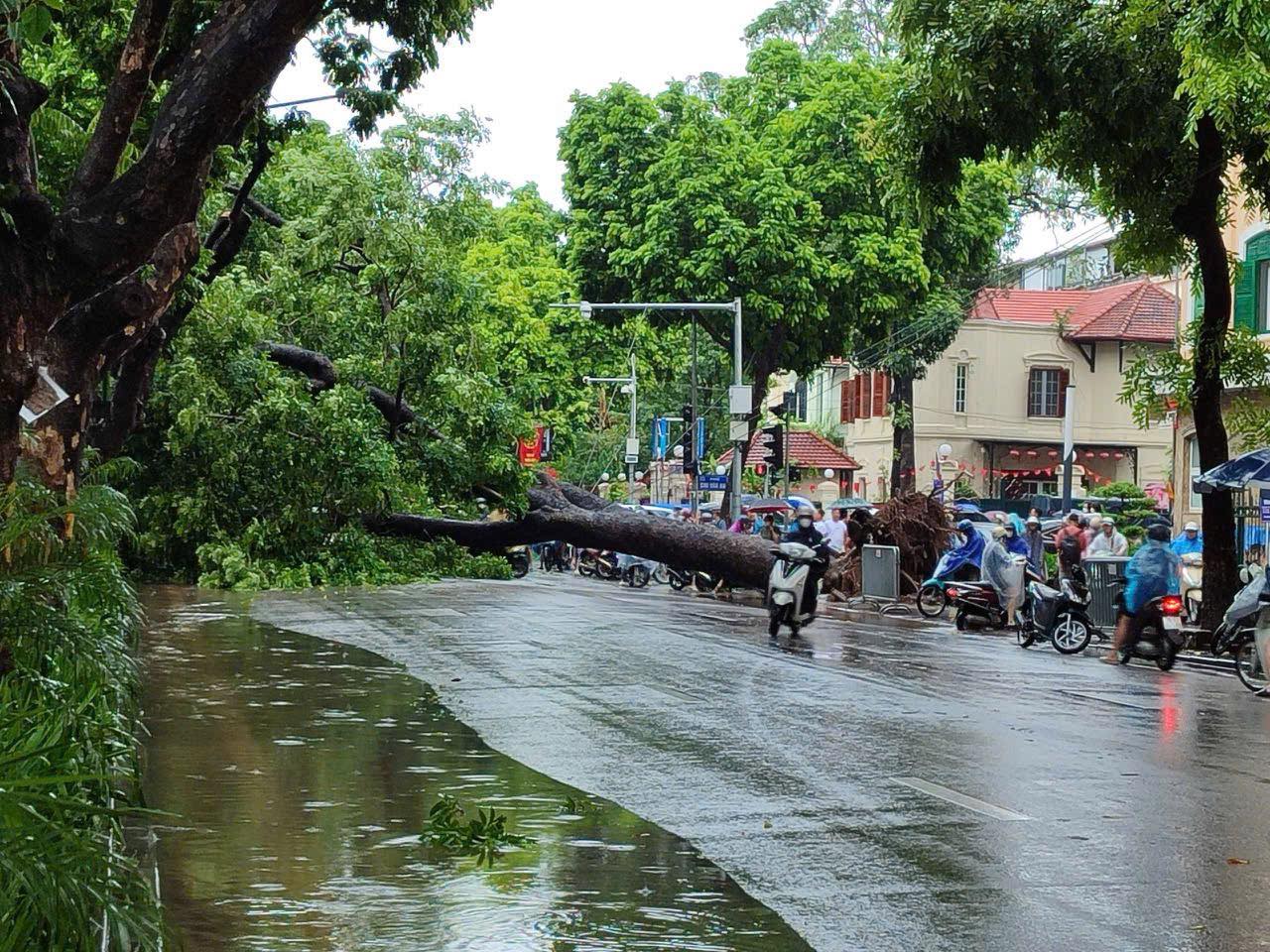
Occupants of the vehicle were safely evacuated, but the car was deformed and severely damaged.
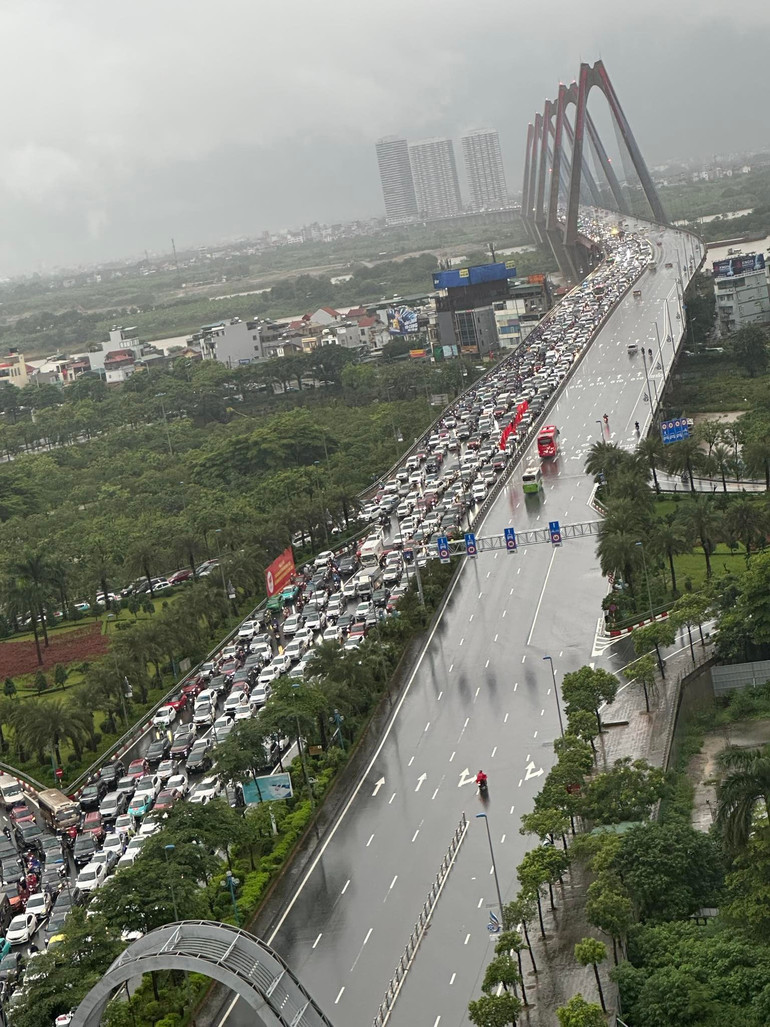
The Vo Chi Cong road leading from Nhat Tan Bridge was gridlocked due to flooding. (Photo: Hoang Anh Minh)
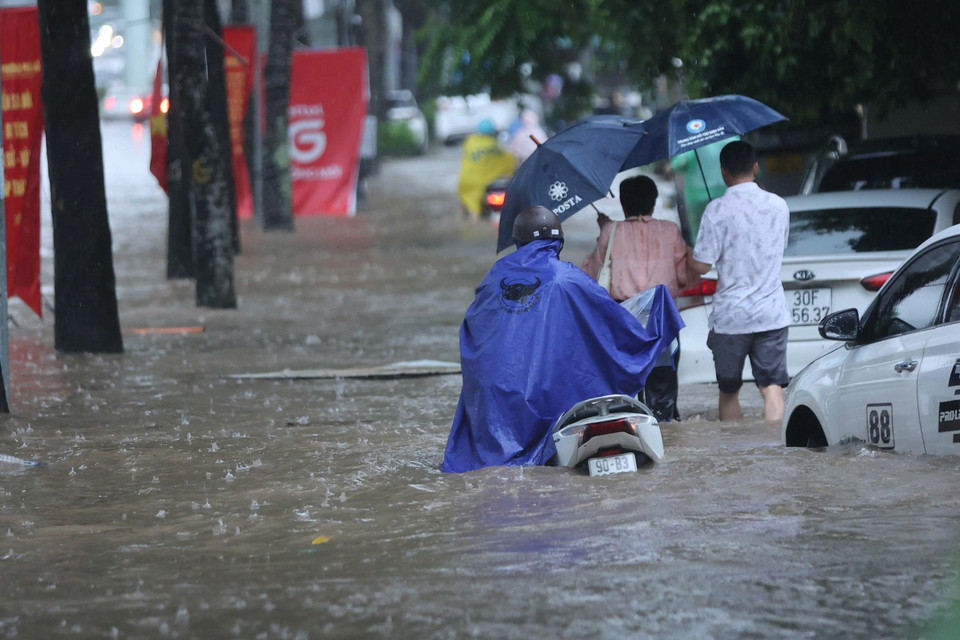


Vehicles waded through the water with difficulty.
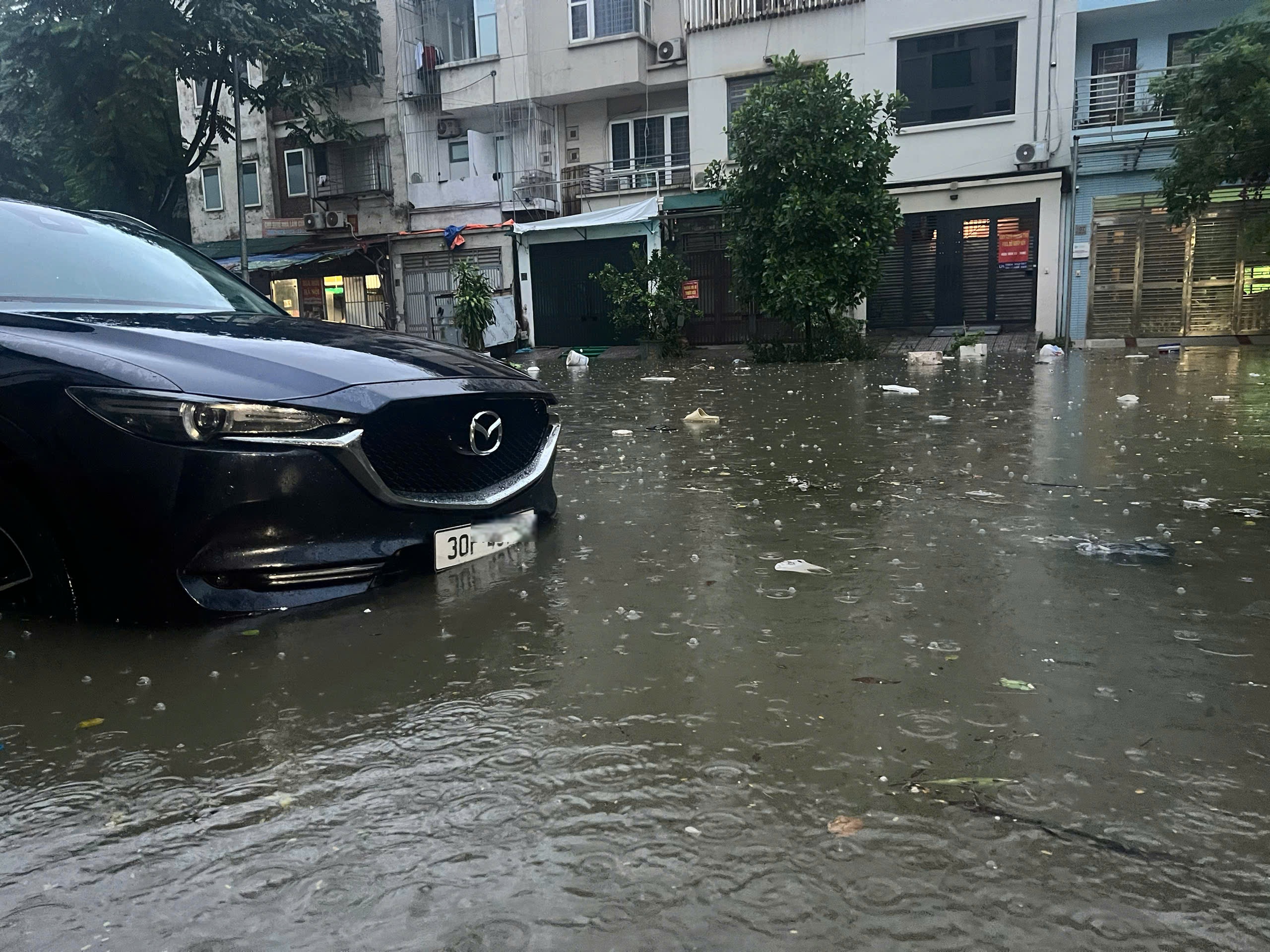
The Van Phu - Ha Dong area submerged in water
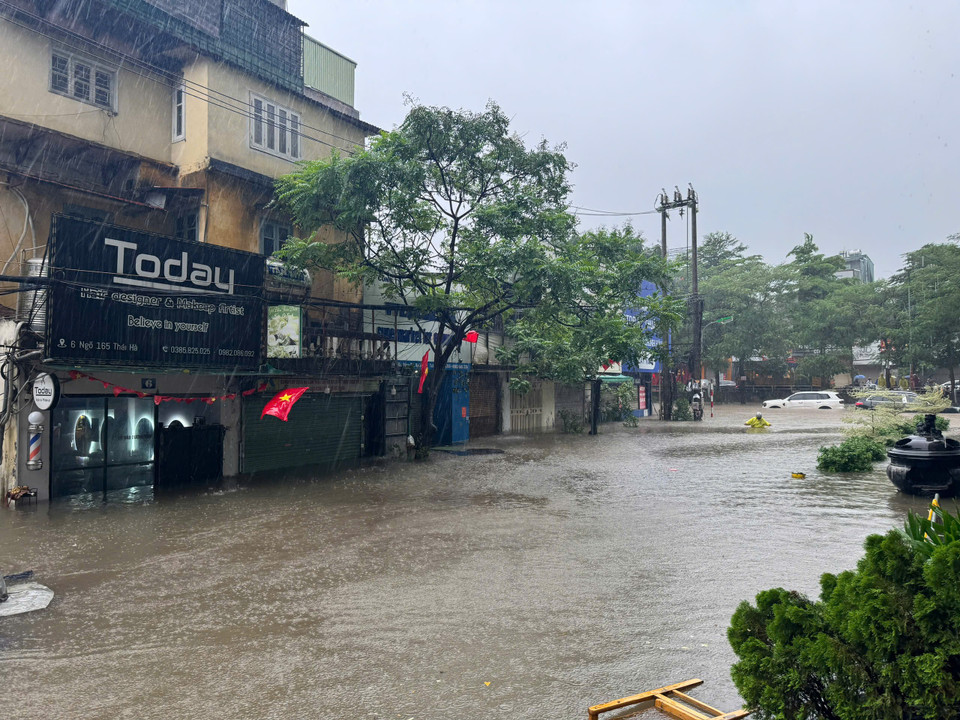
Alley 165 Thai Ha "turned into a river." (Photo: Hoai Nam)
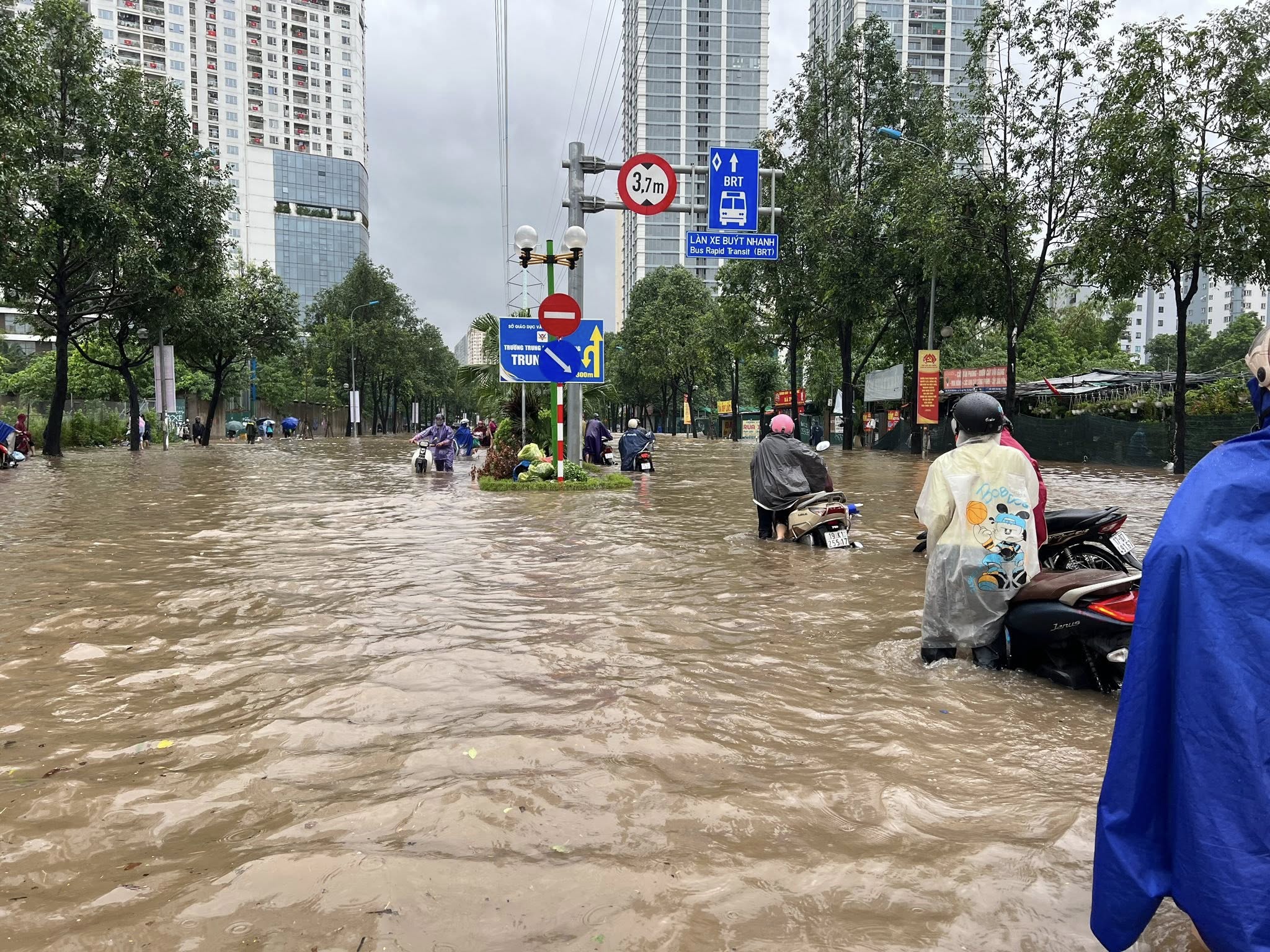
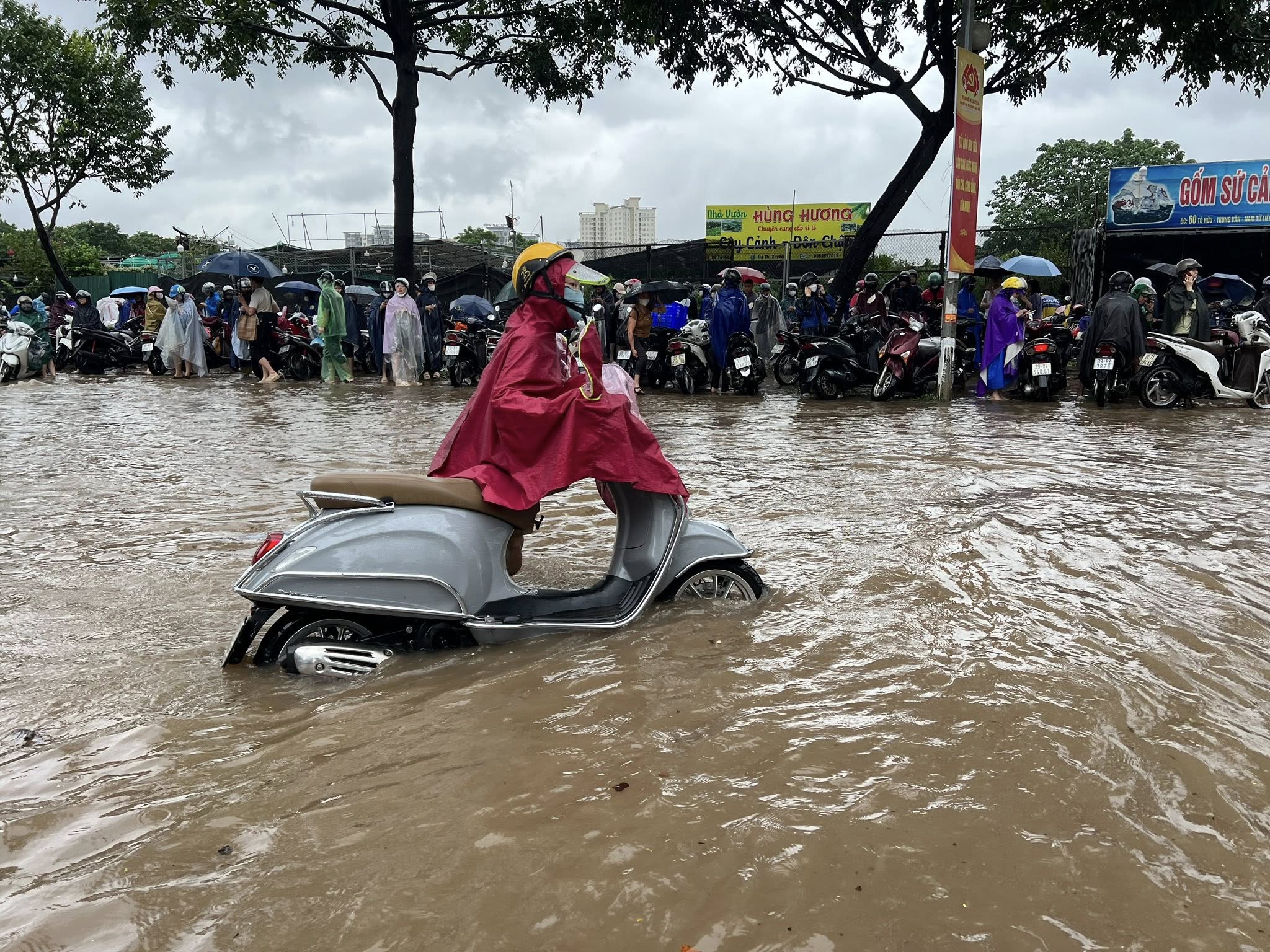
The Thanh Xuan area (formerly Trung Van) flooded, leaving many motorcycles unable to move. (Photo: Huong Thao)
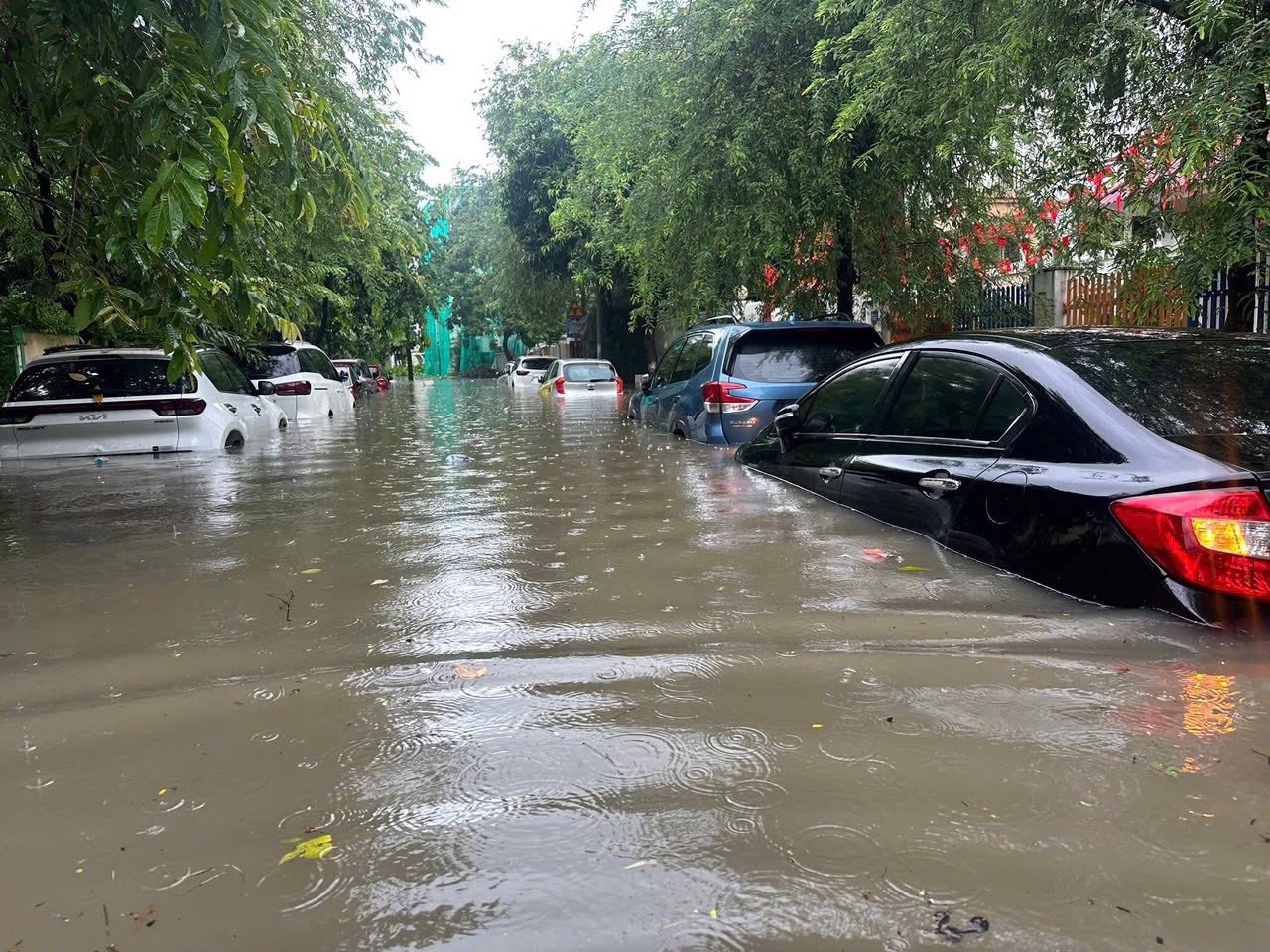
Dozens of cars deeply submerged in the Gleximco - An Khanh area. (Photo: Le Quynh)
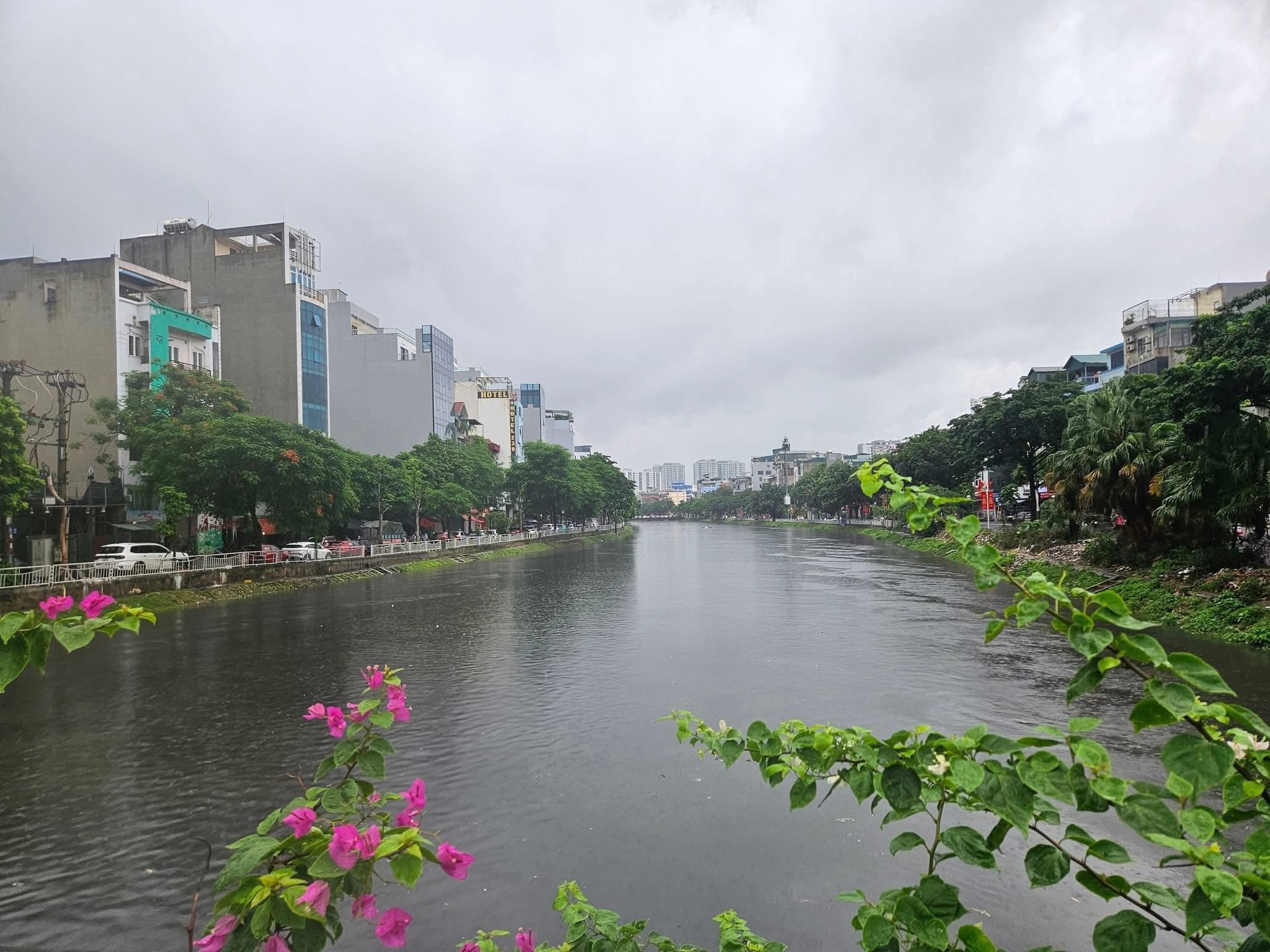
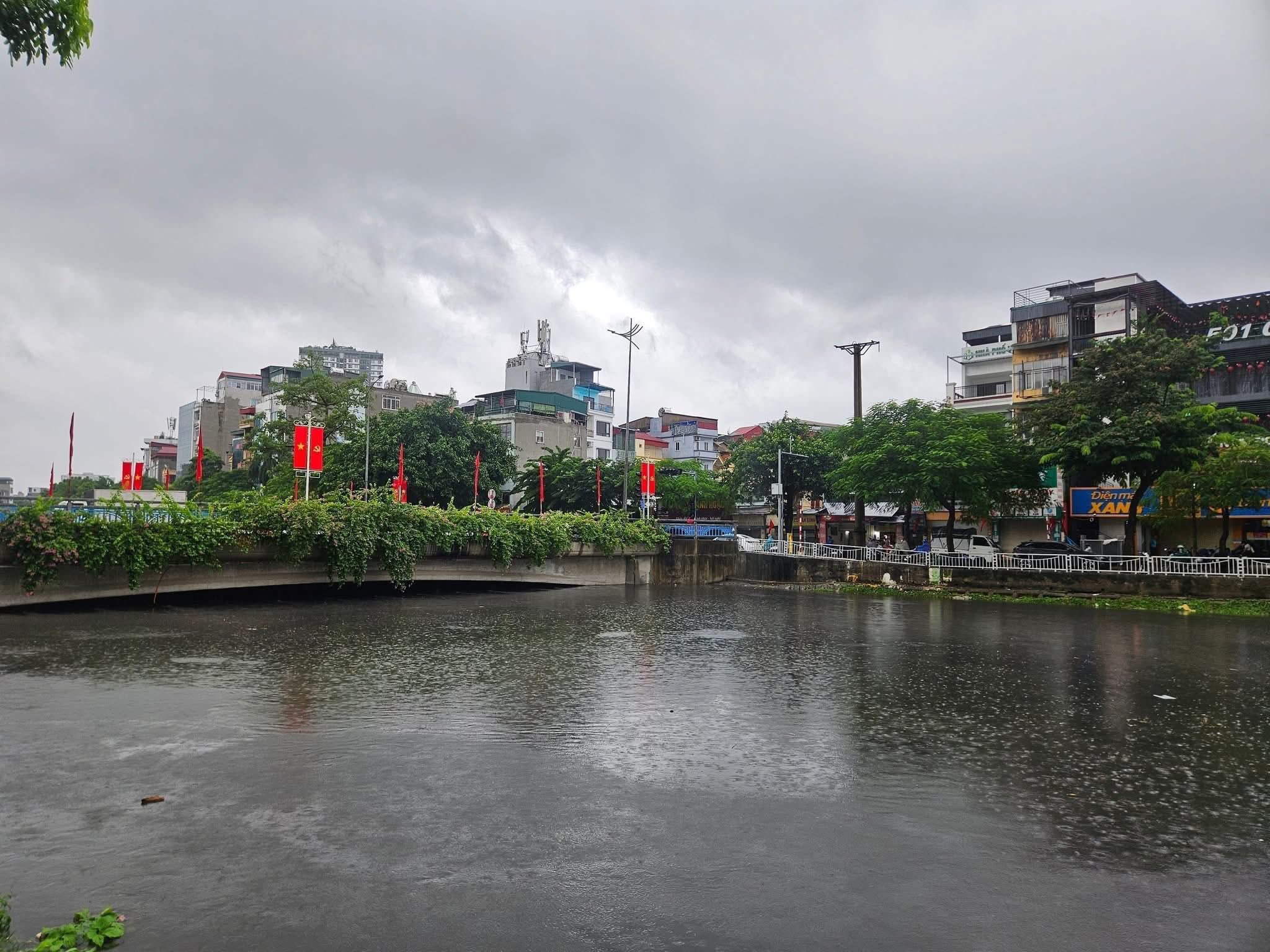
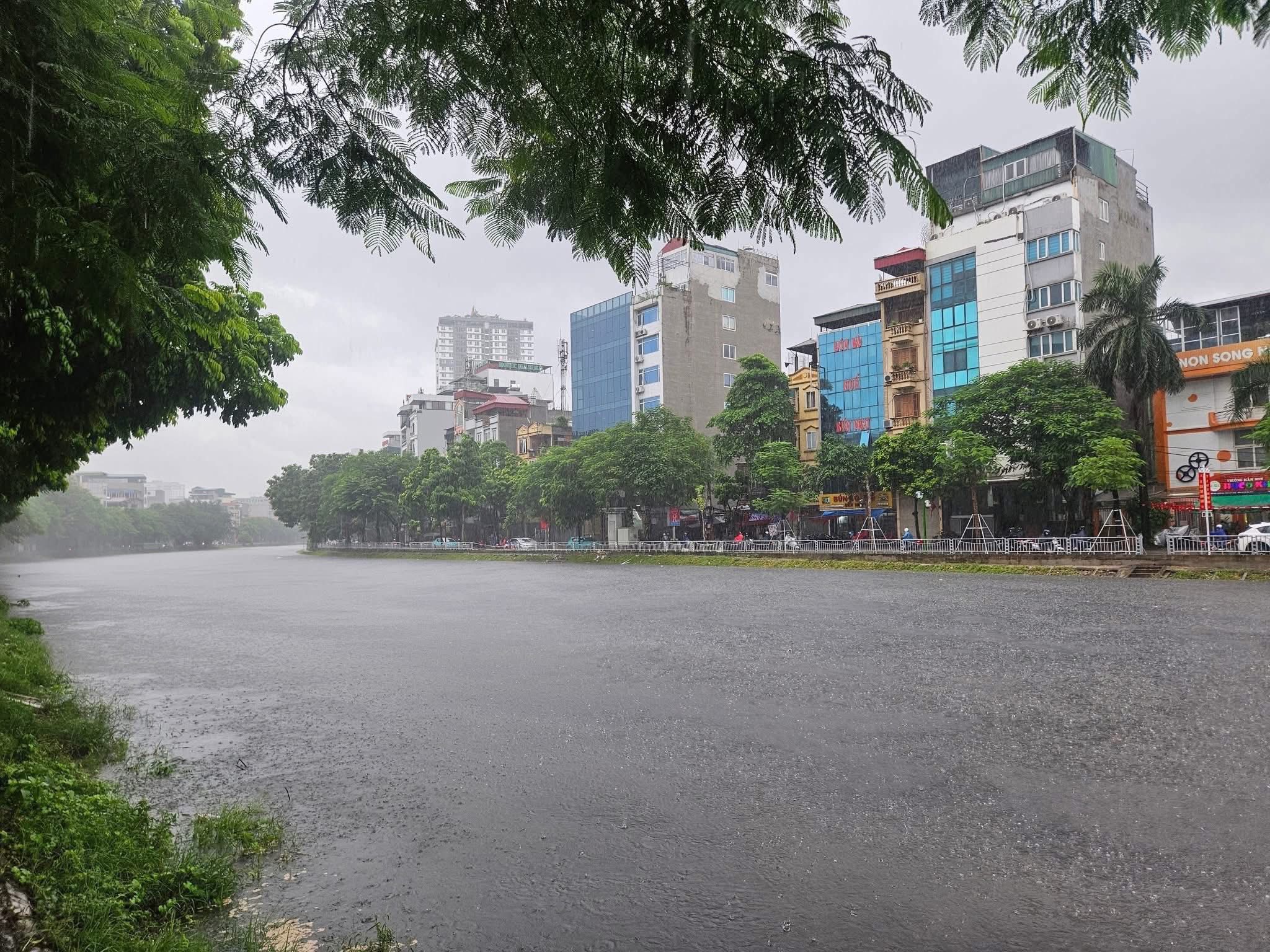
Heavy rain persisting from the night of August 25 caused the To Lich River water levels to rise high, nearly reaching the road surface. (Photo: Dinh Le)
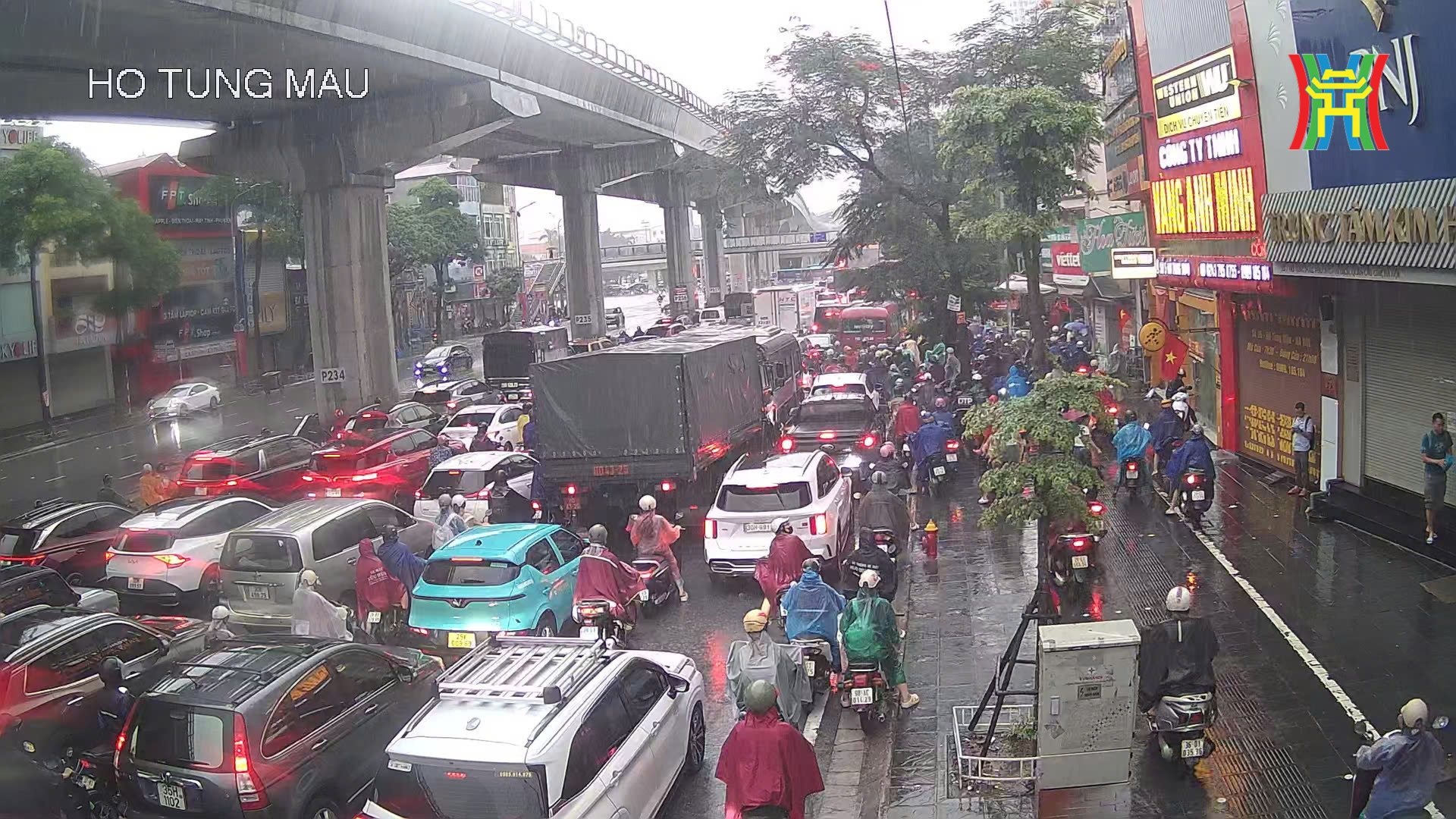
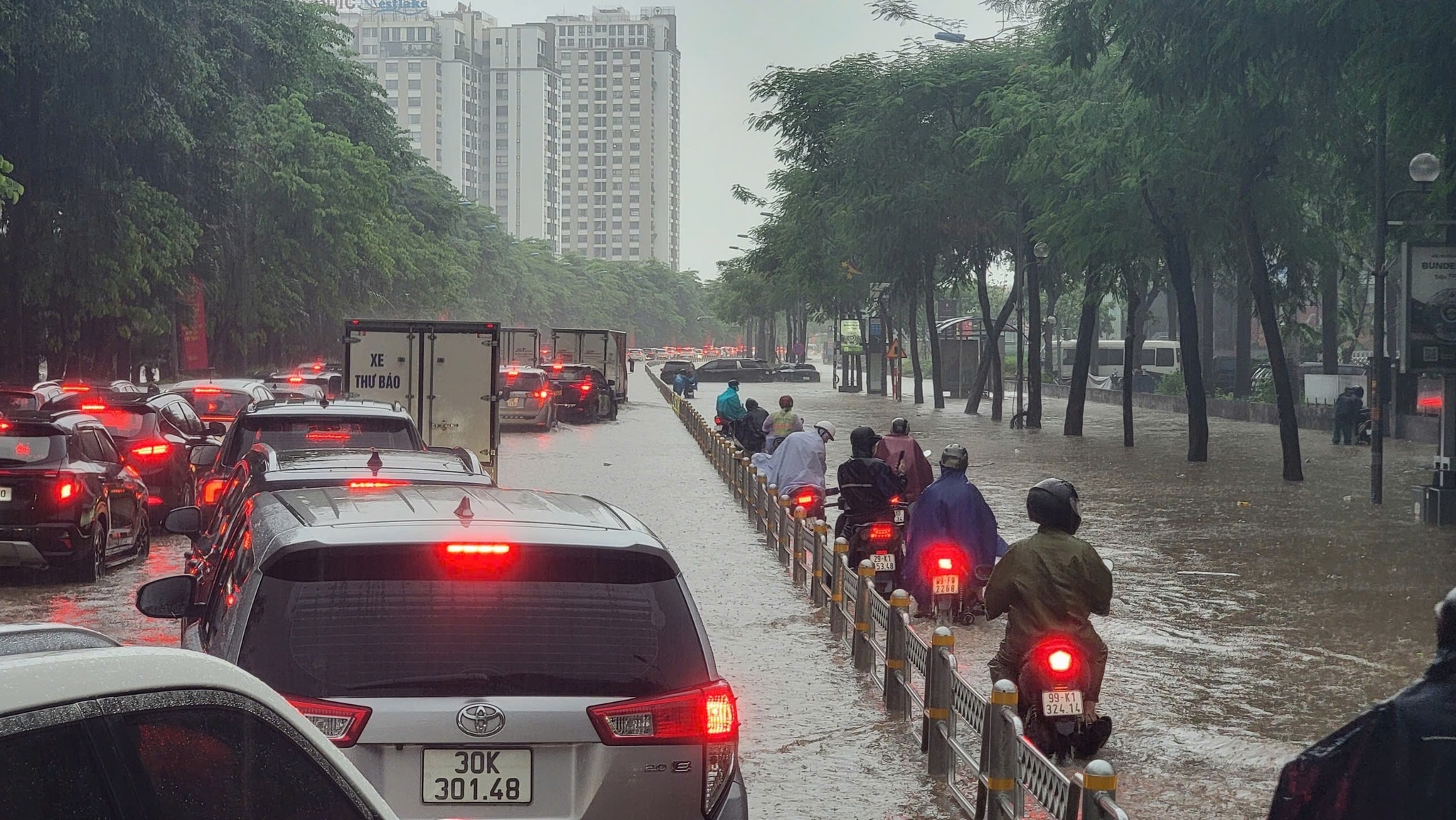
Numerous inner-city traffic routes were completely jammed due to flooding.
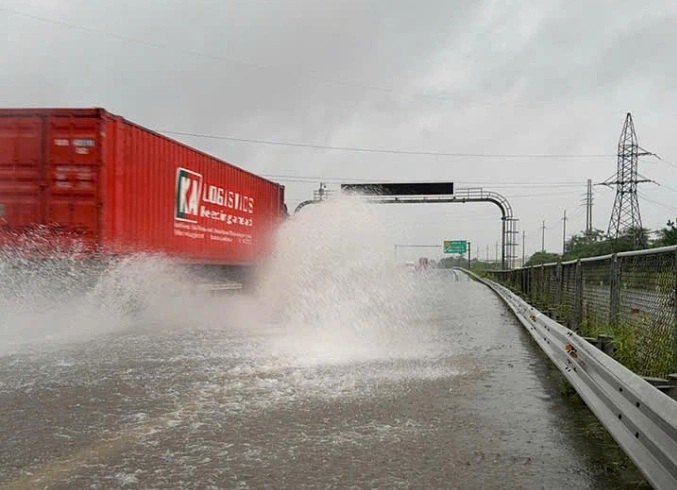
Not only in the inner city, the Phap Van - Cau Gie Expressway was also flooded. (Photo: Vietnam Road Administration)
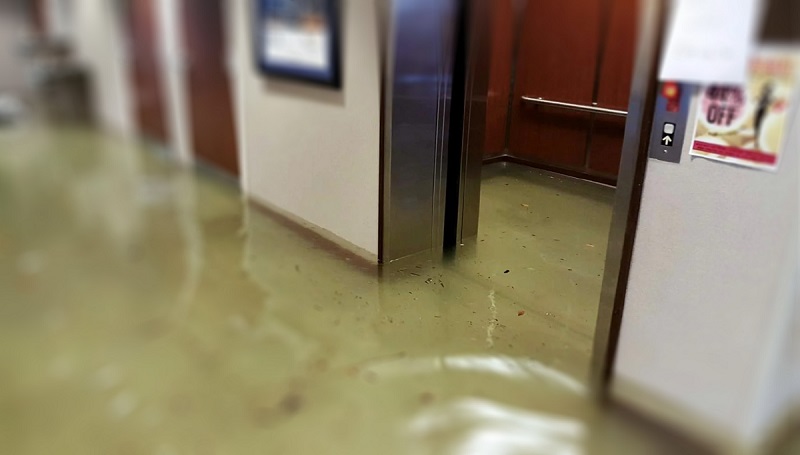
Prolonged heavy rain can lead to urban flooding, with water entering elevator shafts and cabins, damaging equipment
Note: Handling elevator flooding situations caused by storms:
If severe storm conditions result in elevator flooding or water leakage into the elevator, contact the elevator service provider and perform the following tasks immediately after the storm ends:
– Pump water out of the cabin/elevator shaft: Avoid leaving the elevator submerged for too long; remove water as soon as possible. If necessary, seek assistance from the elevator maintenance and servicing unit for timely and accurate handling.
– Inspect the elevator condition: After the water recedes, call elevator technicians to thoroughly check the entire system before resuming normal operations.
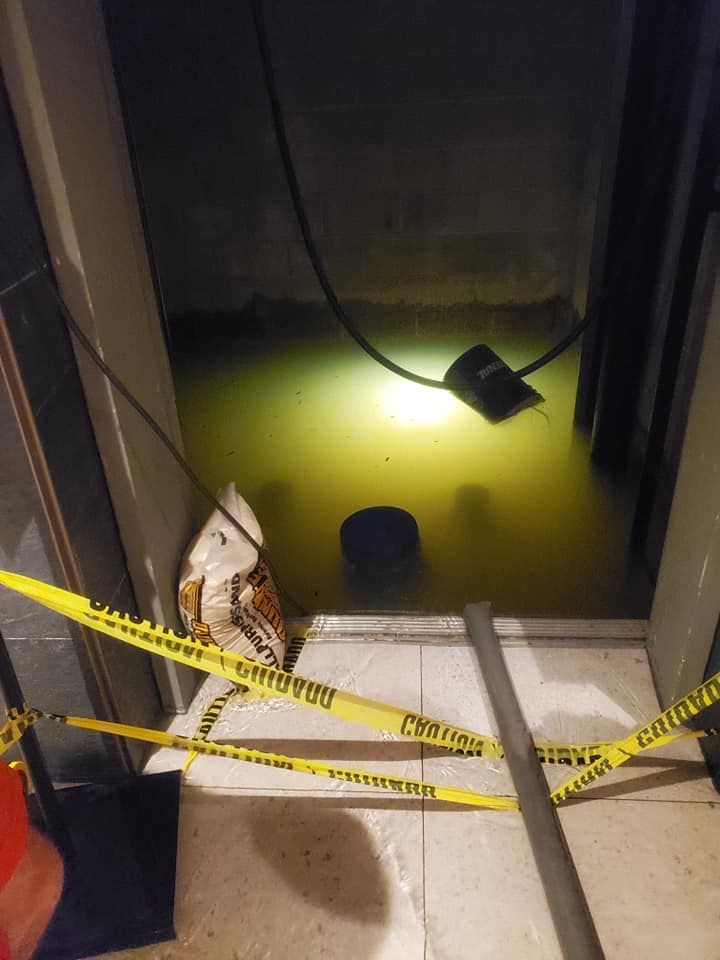
Hố pit thang máy bị ngập nặng Elevator pit severely flooded
Procedure for handling flooded elevators according to expert advice:
When water floods an elevator, users or managers should contact the technical maintenance department to handle and inspect before resuming operations. According to experts from the Institute of Elevator Applied Technology, the technical team's handling procedure includes the following steps:
Step 1: Check the power source and the operations already instructed to users (disconnect power, move cabin to higher levels, cover protections, etc.). If not yet performed, execute immediately.
Step 2: Inspect the cause, location of water ingress, and the current state of the shaft (flooded, damp, dry, etc.).
Step 3: Address the cause of water ingress or leakage; remove any remaining pooled water in the shaft.
Step 4: Inspect components (wipe dry, blow-dry, air-dry naturally, etc.).
Step 5: Measure and check components before restoring power for operation (cold testing).
Step 6: Test operations after power is restored.
Performing all these steps fully will help minimize elevator risks during the rainy season, saving significant costs on repairs and replacements for water-damaged or worn equipment.
– Regular maintenance: Even if the elevator is unaffected by storms, regular and frequent maintenance is extremely important. Therefore, elevator owners should proactively seek reputable service providers to perform this work routinely as required, ensuring optimal operational quality and longevity.
https://tapchithangmay.vn/huong-dan-xu-ly-thang-may-khi-ngap-nuoc/