



The Department of Occupational Safety (Ministry of Labor, War Invalids and Social Affairs) has decided to sanction Mesco Vietnam Elevator Joint Stock Company for violating the Law on Occupational Safety and Health. The total amount of fines Mesco Vietnam Elevator Joint Stock Company has to pay is 199 million VND.
Specifically, according to Labor and Trade Union, on February 22, 2023, the Director of the Department of Occupational Safety signed a decision to sanction Mesco Vietnam Elevator Joint Stock Company for administrative violations:
Act 1: Employer fails to periodically report on occupational safety and health as prescribed in Clause 2, Article 20 of Decree No. 12/2022/ND-CP dated January 17, 2022 of the Government.
Act 2: Employers fail to periodically report occupational accidents as prescribed in Clause 3, Article 20 of Decree No. 12/2022/ND-CP dated January 17, 2022 of the Government.
Act 3: Employers fail to organize periodical health checks for employees as prescribed in Clause 2, Article 22 of Decree No. 12/2022/ND-CP dated January 17, 2022 of the Government.
Act 4: Employer fails to organize occupational safety and health training for 33 employees as prescribed at Point b, Clause 1, Article 25 of Decree No. 12/2022/ND-CP dated 17/02 January 2022 of the Government.
For the above acts, the Company is subject to the main sanction: fines for the organization (the sanction is 199 million VND), no additional penalties are applied.
So, what terms should businesses in general and elevator businesses in particular comply with to avoid violating the Law on Occupational Safety and Hygiene?
Why is it necessary to comply with the Law on Occupational Safety and Health?
The Law on Occupational Safety and Health prescribes the assurance of occupational safety and health; policies and regimes for people suffering from occupational accidents and diseases; responsibilities and powers of organizations and individuals related to occupational safety and health and state management of occupational safety and health.
This Law applies to both employees, employers and other organizations/individuals related to occupational safety and health. Specifically:
“Occupational safety is a solution to prevent and combat the impact of dangerous factors in order to ensure that no injury or death occurs to people during the working process.”
“Occupational hygiene is a solution to prevent and combat the impact of harmful factors that cause disease and degrade human health during the working process.”
Therefore, compliance with the Law on Occupational Safety and Health, ensuring the working environment for employees, and ensuring safety and health benefits for employees is a must.
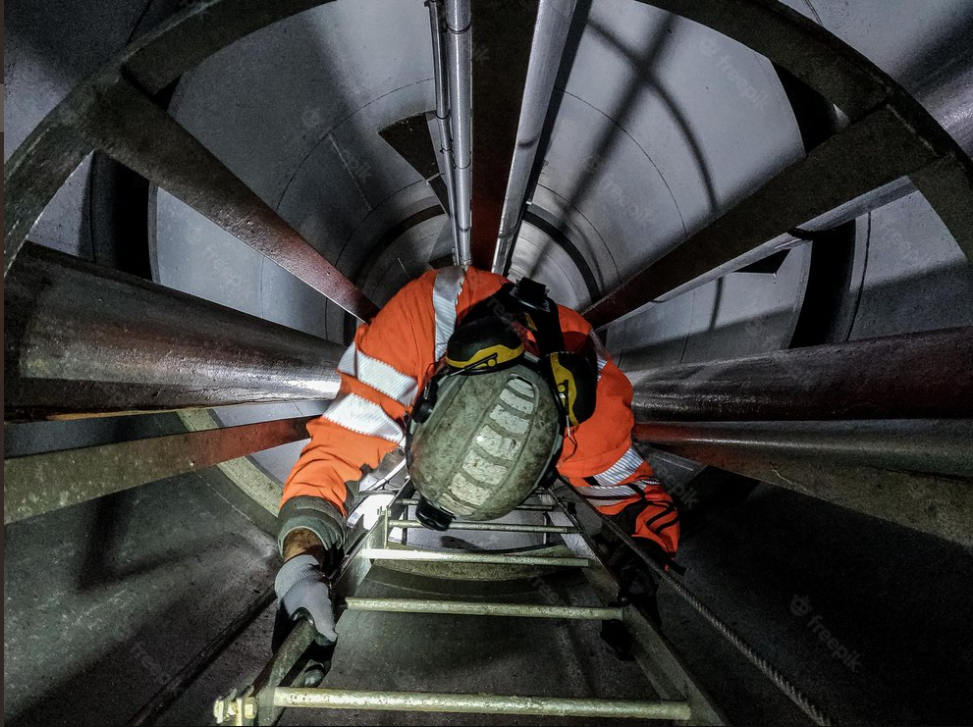
The technical working environment is at risk of occupational safety and health, so both employers and employees need to have a sense of compliance.
In addition, compliance with the Law on Occupational Safety and Health is also a way for businesses to prevent the risk of employees having problems with occupational insecurity, occupational accidents or occupational diseases, leading to serious consequences. Unintended results and economic losses, reflected in the State's policy on occupational safety and health
- Create favorable conditions for employers, employees, other relevant agencies, organizations and individuals to take measures to ensure occupational safety and health during the working process; encourage employers and employees to apply advanced and modern technical standards and management systems and to apply advanced, high-tech, and environmentally-friendly technologies in the working process.
- Invest in research and application of science and technology in occupational safety and health; support the construction of laboratories, testing national standards in service of occupational safety and sanitation.
- Support to prevent occupational accidents and occupational diseases in industries and fields with high risk of occupational accidents and diseases; encourage organizations to develop, publish or use advanced and modern technical standards on occupational safety and health during the working process.
- Support in occupational safety and health training for employees working without labor contracts doing jobs with strict requirements on occupational safety and health.
- To develop participants in voluntary occupational accident insurance; develop a flexible payment and benefit mechanism to prevent, minimize and overcome risks for employees.
What should employers do?
To ensure compliance with the Law on Occupational Safety and Health in the elevator industry, employers in the elevator industry have the following rights and obligations:
- Require employees to comply with regulations, processes and measures to ensure occupational safety and health at the workplace;
- Complaints, denunciations or lawsuits in accordance with the law;
– Mobilize employees to participate in emergency response, overcoming incidents and occupational accidents.
– Develop, organize the implementation and actively coordinate with agencies and organizations in ensuring occupational safety and health at the workplace within the scope of their responsibilities for employees and those with disabilities; pay occupational accident and occupational disease insurance for employees;
- Organize training and guide the regulations, internal rules, processes and measures to ensure occupational safety and health; fully equipped with means and tools of work to ensure occupational safety and hygiene; perform health care, occupational disease examination and detection; fully implement the regime for employees suffering from occupational accidents and diseases;
– Not to force employees to continue to work or return to the workplace when there is a risk of occupational accidents that seriously threaten the life or health of workers;
- Appoint people to supervise and inspect the implementation of internal rules, processes and measures to ensure occupational safety and health at the workplace in accordance with law;
- Arrange the department or person to do the work of occupational safety and health; coordinate with the trade union executive committee to establish a safety and hygiene; delineating responsibilities and assigning powers on occupational safety and health;
- Carry out the declaration, investigation, statistics and report on occupational accidents, occupational diseases, technical incidents causing serious occupational unsafety and sanitation; making statistics and reports on the performance of occupational safety and health work; comply with decisions of specialized inspectors on occupational safety and health.
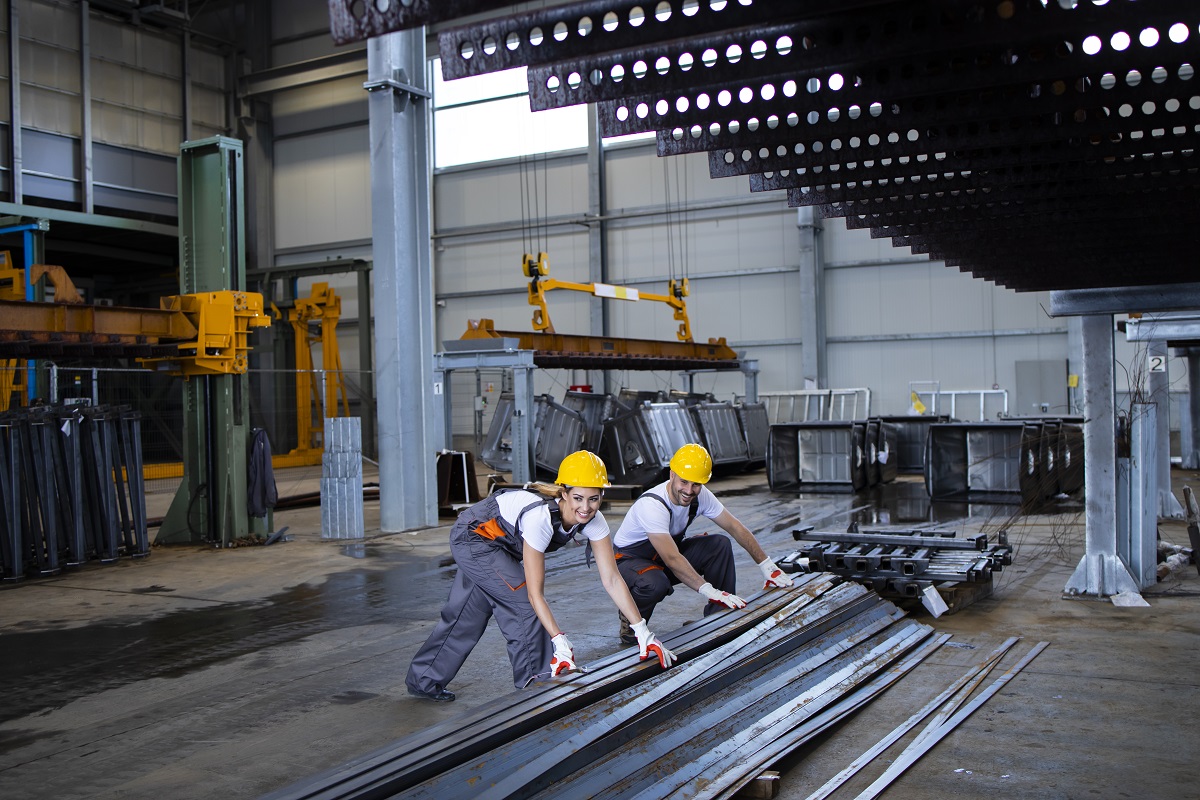
The working environment needs to ensure occupational safety and hygiene
What should workers do?
Employees also need to be aware of their responsibilities and rights in the matter of ensuring occupational safety and health. Accordingly, employees in the elevator industry have the following rights and obligations:
– To be guaranteed fair, safe and hygienic working conditions; require the employer to be responsible for ensuring safe and hygienic working conditions during the working process and at the workplace;
- To be provided with full information about dangerous factors, harmful factors at the workplace and measures to prevent and control; be trained in occupational safety and hygiene;
- To enjoy the regime of labor protection, health care, examination and detection of occupational diseases; to be paid by the employer for occupational accident and occupational disease insurance; to enjoy full benefits for people suffering from occupational accidents and occupational diseases; to be paid fees for medical examination and assessment of injuries and diseases caused by occupational accidents and diseases; may take the initiative to go for an assessment of the working capacity decrease and be paid an assessment fee in case the assessment results are eligible for an increase in the allowance for occupational accidents and diseases;
- Request the employer to arrange suitable work after receiving stable treatment due to an occupational accident or occupational disease;
Refusing to do the job or leaving the workplace while still being paid full salary and not considered a violation of labor discipline when it is clear that there is a risk of an occupational accident that seriously threatens life or health, but must immediately notify the direct manager for a treatment plan; only continue to work when the direct manager and the person in charge of occupational safety and health have overcome the risks to ensure occupational safety and hygiene;
- Complaints, denunciations or initiate lawsuits in accordance with the law when there is a situation of occupational safety and health.
- Comply with internal rules, procedures and measures to ensure occupational safety and health at the workplace; comply with the commitments on occupational safety and health in the labor contract;
– Use and maintain the provided personal protective equipment; equipment to ensure occupational safety and hygiene at the workplace;
- Promptly report to the responsible person when detecting the risk of technical incidents causing occupational safety and sanitation, occupational accidents or occupational diseases; actively participate in first aid, remedy incidents and occupational accidents according to the incident handling and emergency response plan or upon the order of the employer or a competent state agency.
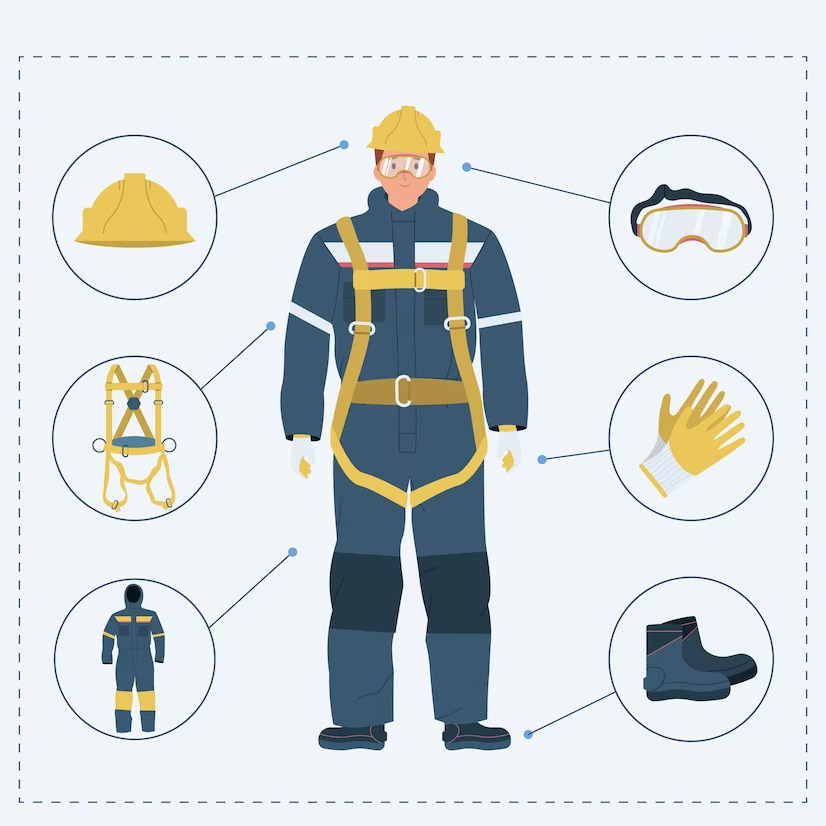
Workers in the field of elevators need to be fully equipped with necessary tools and protective clothing
Prohibited acts on occupational safety and hygiene
- Concealing, declaring or reporting falsely about occupational accidents and occupational diseases; failing to comply with requirements and measures to ensure occupational safety and health, causing harm or risk of harm to people, property and the environment; forcing employees to work or not leaving the workplace when there is a risk of an occupational accident that seriously threatens their health or life, or forces employees to continue working when such risks has not been remedied.
- Neglecting or late payment of occupational accident and disease insurance premiums; misappropriating payment for and enjoying labor accident and occupational disease insurance; fraud or falsification of records in the implementation of occupational accident and occupational disease insurance; failing to pay the labor accident and occupational disease insurance regime for employees; managing and using the occupational accident and disease insurance fund in contravention of law; illegally accessing or exploiting the database on occupational accident and occupational disease insurance.
- Using machines, equipment and supplies with strict requirements on occupational safety and hygiene that are not tested or the inspection results are unsatisfactory or have no clear origin, expired, or have expired, do not ensure quality, cause environmental pollution.
- Cheating in activities of inspection, training on occupational safety and hygiene, working environment monitoring, medical assessment to determine the level of working capacity decrease when suffering an occupational accident or disease; obstructing, causing difficulties or causing damage to the lawful and legitimate rights and interests of occupational safety and health of employees and employers.
- Gender discrimination in ensuring occupational safety and health; discriminating on the grounds that employees refuse to do work or leave the workplace when it is clear that there is a risk of an occupational accident that seriously threatens their life or health; Discrimination on the grounds of having performed the job or task to ensure occupational safety and health at the establishment of the employee in charge of occupational safety and health and the medical employee.
- Employing laborers or doing jobs with strict requirements on occupational safety and health when they have not been trained in occupational safety and hygiene.
- Payment instead of compensation in kind.
From the above contents, employees and employers need to seriously implement the contents of their responsibilities and obligations, and at the same time ensure the prevention of dangerous and unsafe situations. In addition, when occupational accidents, occupational diseases, etc., happens, both employees and employers need to honestly report to the authorities, properly and fully perform their obligations, and avoid accumulated violations.