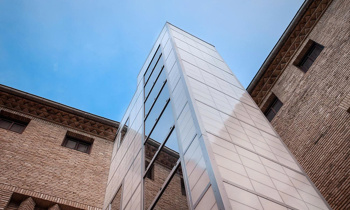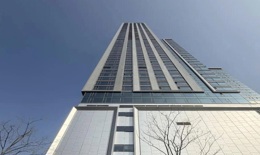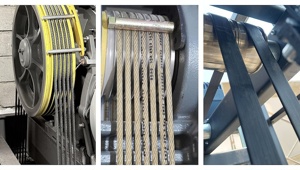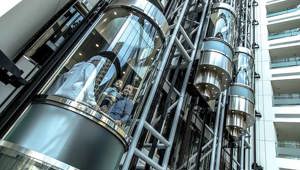




Especially during this period, as successive major storms have raged and continue to do so, exerting fierce impacts on daily life, causing immense damage to people and property, the warnings about elevator safety have become more urgent than ever.
Right now, Storm No. 10, named Bualoi, is moving extremely rapidly, with an intensity nearly double the average speed. This velocity is generating strong winds and heavy rains over land in the North Central and Northern regions, posing risks of flash floods, landslides in mountainous areas, threats to reservoir safety, and flooding in low-lying zones, particularly along coasts and rivers.
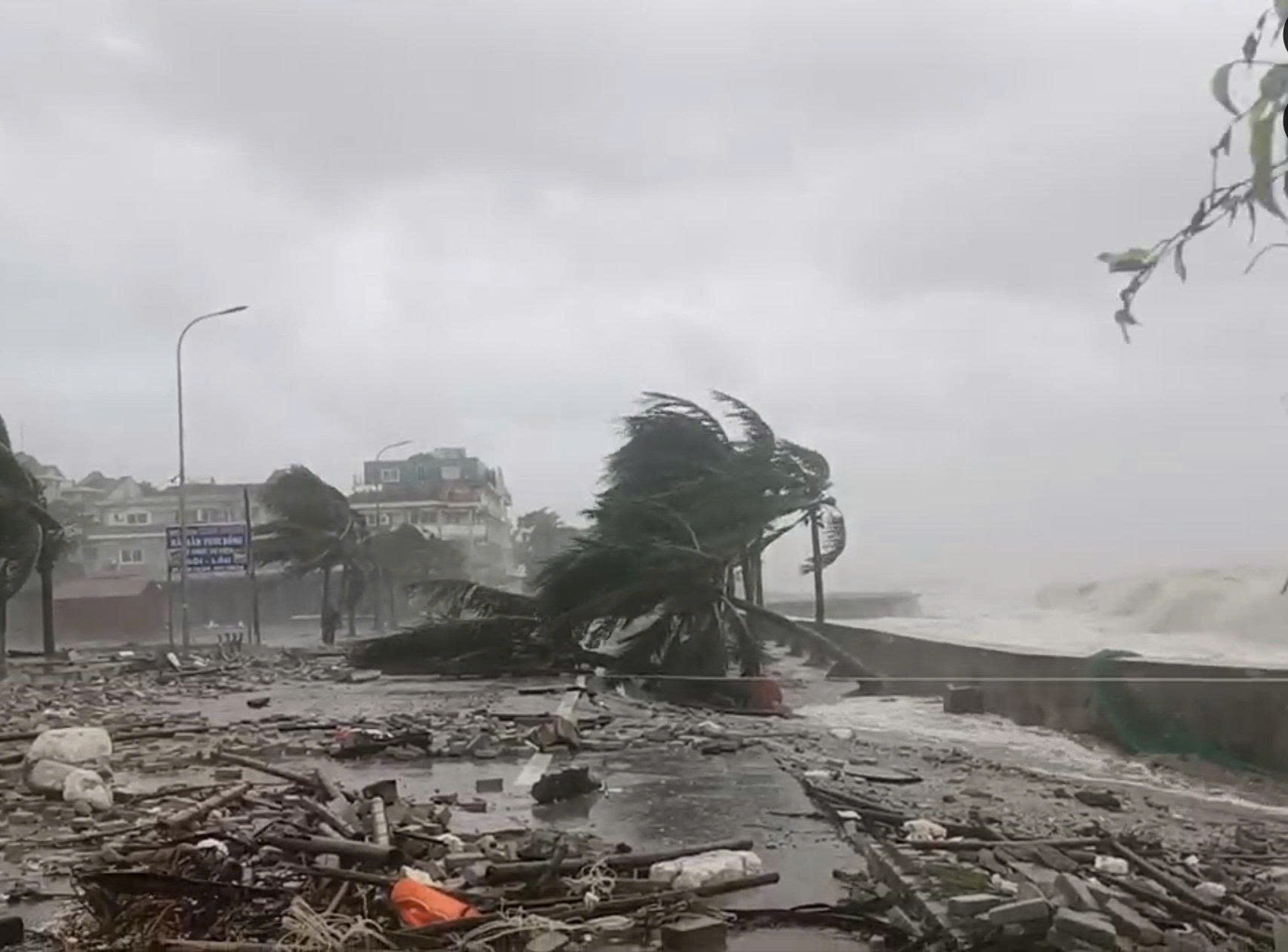
Consequences caused by Storm No. 10
As of 11 a.m. on September 29, Storm No. 10 has inflicted damage on provinces and cities including Ninh Binh, Nghe An, Ha Tinh, Quang Tri, Hue, Da Nang, and Quang Ngai.
Even in Hanoi, a series of warnings for thunderstorms, whirlwinds, lightning, hail, and localized heavy rains across the inner-city areas have been continuously issued by authorities. Many regions are experiencing intense downpours, raising risks of fires and electrical short circuits. These weather developments particularly affect the operation and safety of elevators, demanding that residents remain vigilant and not complacent.
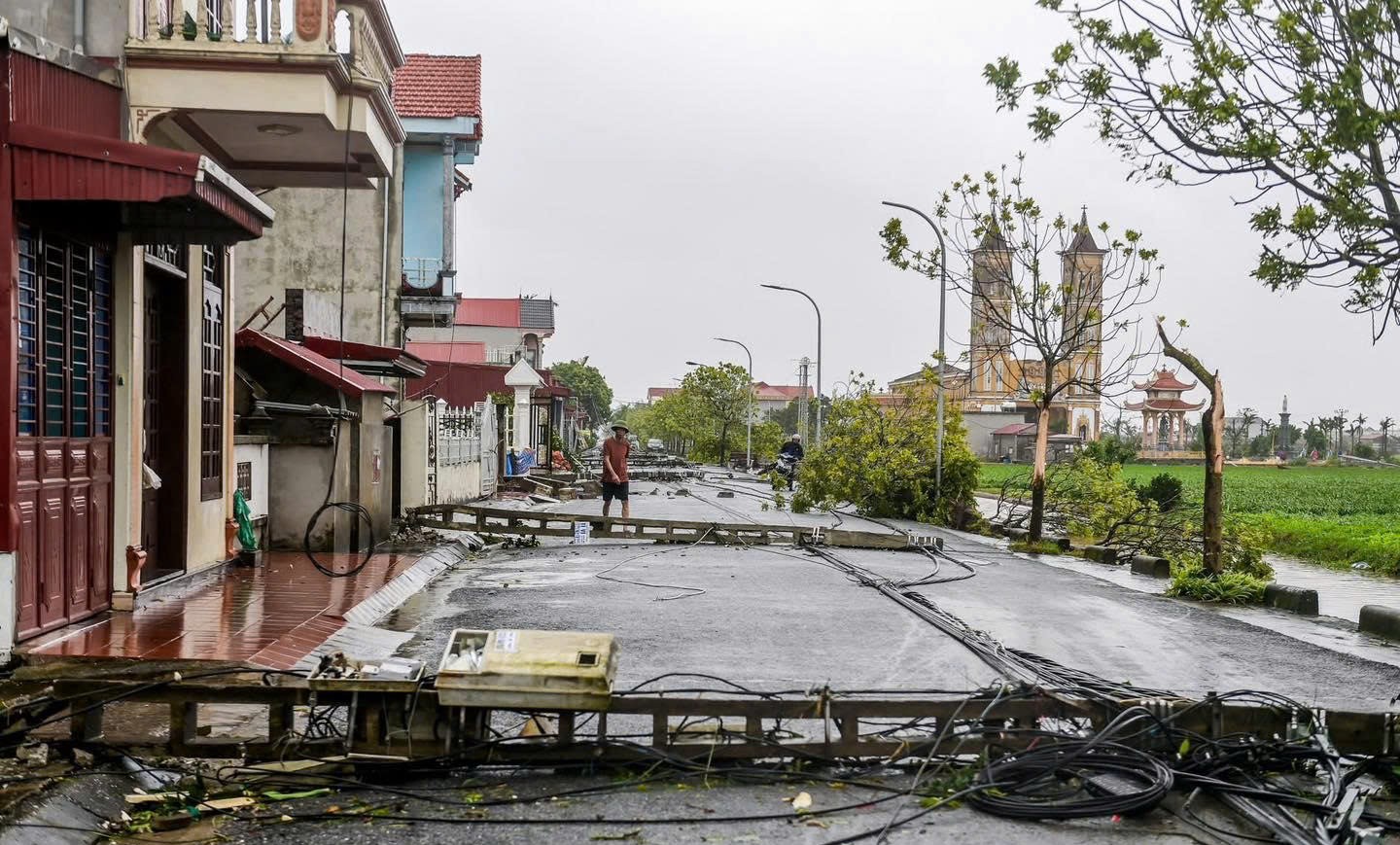
Consequences caused by Storm No. 10
At Thanh Binh Garden Apartment Complex (Dinh Cong Ward, Hanoi City), even before Storm No. 10 made landfall and triggered heavy rains, numerous alerts were repeatedly disseminated to residents by the building management. A representative from the complex's management stated that prior to stormy weather, general safety concerns—especially elevator safety—are always prioritized.
"Thunderstorms, whirlwinds, and heavy rains can cause short circuits or disruptions to the electrical system, directly impacting elevator operations. These are basic common-sense precautions, yet we continually remind and educate residents to ensure the highest level of safety," the management representative shared.

Chaotic aftermath of Storm No. 10 at an apartment complex on Nguyen Sy Sach Street (Truong Vinh Ward, Nghe An).
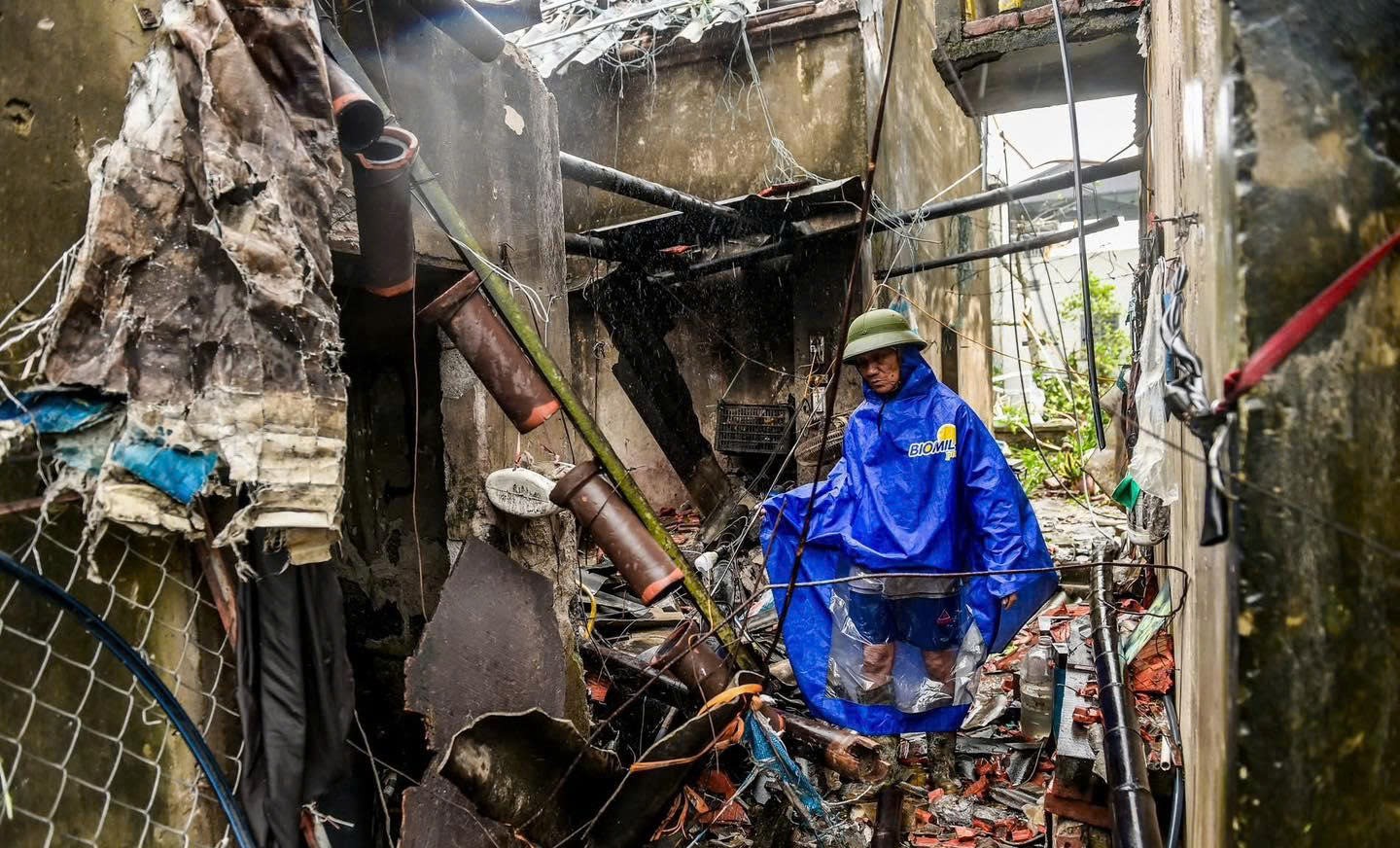
Consequences caused by Storm No. 10
Elevator safety remains a shared concern across many large apartment complexes, where residents' mobility largely depends on the functionality and performance of these systems, particularly during stormy periods. Similarly, private residences must pay special attention to elevator safety principles during the rainy and stormy season.
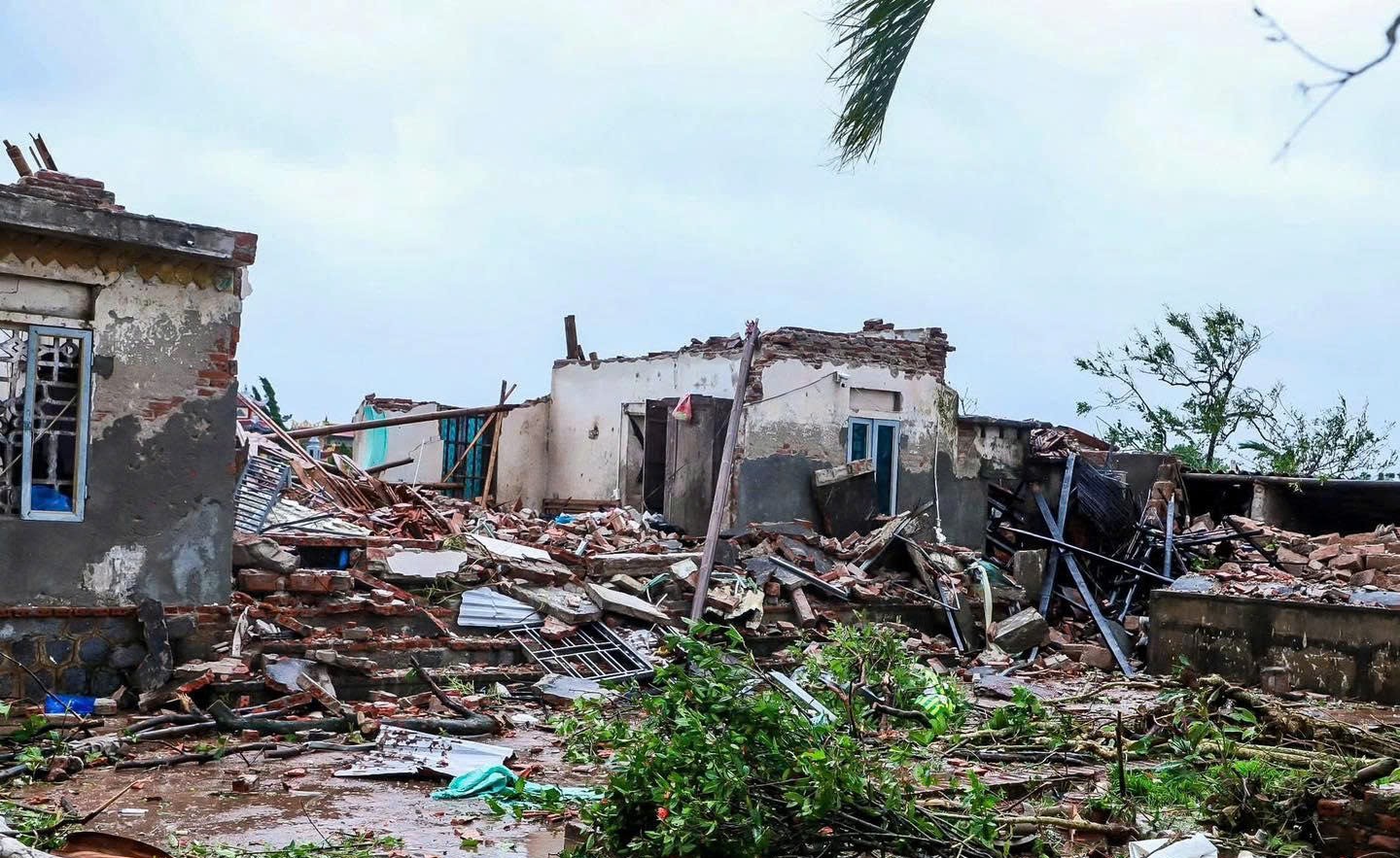
Consequences caused by Storm No. 10

Consequences caused by Storm No. 10
As material living standards rise, with the proportion and demand for elevator usage among residents in apartment complexes and private homes increasing, the responsibility of elevator suppliers and service providers becomes even greater.
Ahead of Typhoon Ragasa (No. 9) and now Storm Bualoi (No. 10), experts from the Institute of Elevator Applied Technology have repeatedly advised residents on preventive measures and ensuring safety in elevator usage and equipment maintenance. Elevator Magazine continues to publish these key points to note:
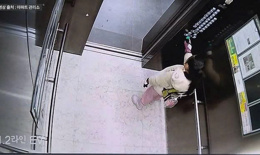
– Do not use elevators when equipment is flooded or power is unstable: In stormy and flooding conditions, absolutely avoid using elevators to ensure safety. Such situations can lead to unstable power or short circuits, causing elevators to get stuck mid-floor and endangering users.
At buildings and apartment complexes, management must assess actual conditions, issue clear notices, and guide residents to prioritize safety.
– Move elevators to higher floors and disconnect power:
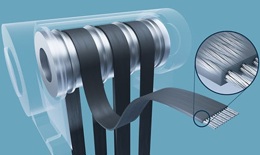
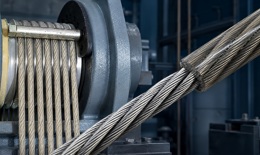
+ Relocate all elevator cabins to higher floors, ideally positioned midway in the shaft. This helps protect the cabin, counterweight, and cables from damage if water floods the pit at the bottom floor.
+ If the elevator has doors opening to the outdoors, move the cabin to the top floor to prevent water from seeping onto the cabin roof through gaps in outdoor-facing landing doors.
+ After relocating the cabin to a higher floor, immediately disconnect the power supply to halt elevator operations, preventing risks of electric shock and short circuits during flooding.
– After the storm ends:
+ Do not resume elevator use on your own.
+ Immediately contact professional elevator service providers to inspect the elevator's condition before restarting operations.