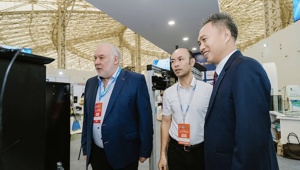




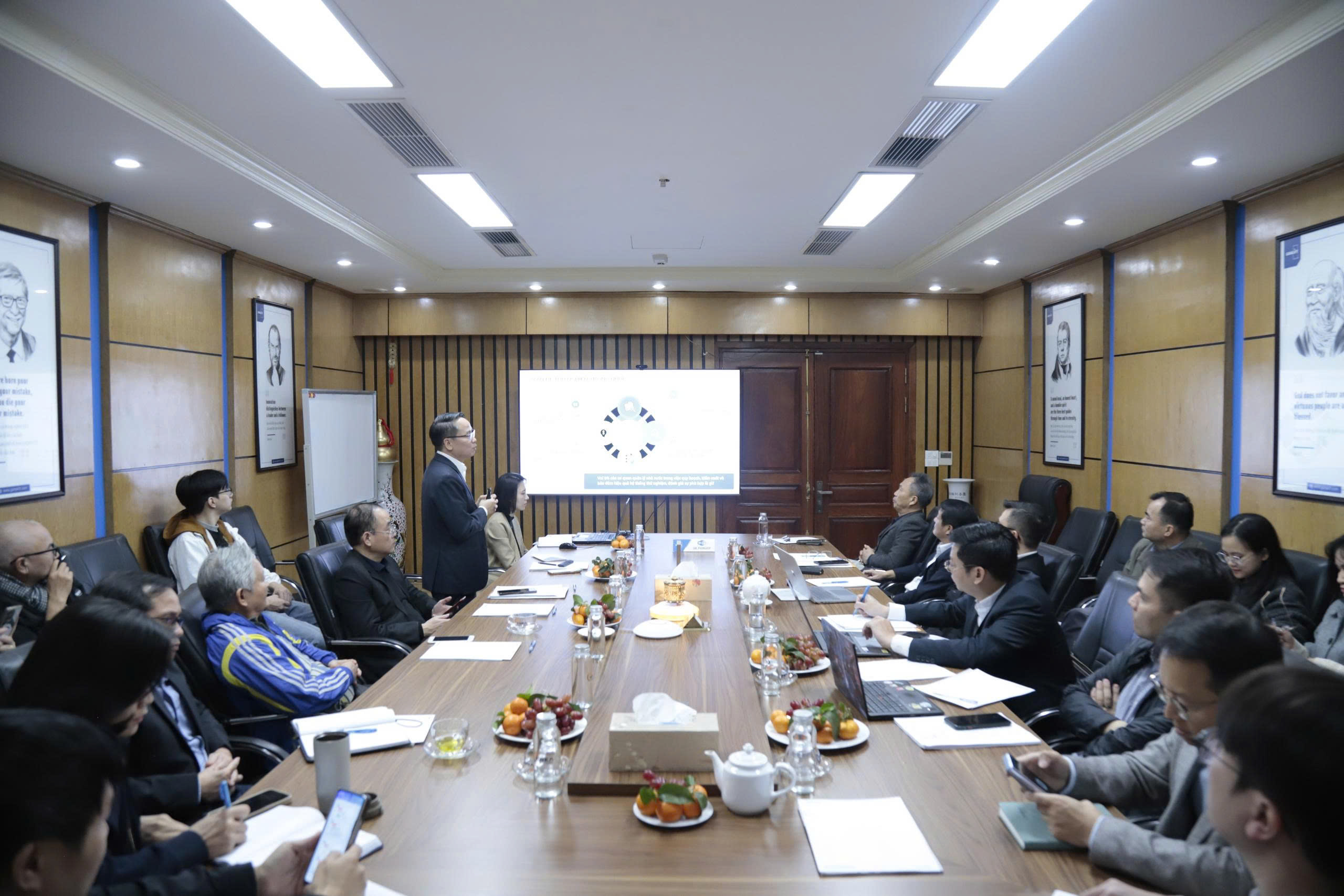
Overview of the Discussion Forum
Unilateral Recognition - A Practical Solution from Integration Experience
Sharing at the forum, Mr. Nguyen Van Khoi - Head of the Standards Department, National Committee for Standards, Metrology and Quality, stated that the amended and supplemented Law on Standards and Technical Regulations 2025 (the 2025 Law on S&TR) officially took effect from January 1, 2026, with 45 out of 71 articles revised and supplemented compared to the previous law.
However, for the Law to truly be implemented in practical business and production, the system of subordinate legal documents plays an especially crucial role. According to Mr. Khoi, a Decree along with 4 guiding Circulars are expected to be issued soon in the coming period.

Mr. Nguyen Van Khoi - Head of the Standards Department, National Committee for Standards, Metrology and Quality
Regarding the content of particular interest to businesses - the unilateral recognition of conformity assessment results from foreign organizations, Mr. Nguyen Van Khoi said that, in principle, international cooperation must be based on mutual recognition, ensuring the principle of reciprocity.
However, many specific situations have arisen in the practical business and production landscape in Vietnam. Recently, international trade associations, especially from the US and Europe, have reported cases of goods being stuck at border gates due to the non-recognition of test results and certifications from abroad, while domestic testing capacity for high-tech products remains limited.
From that reality, Mr. Nguyen Van Khoi stated that the unilateral recognition mechanism was introduced into the Law as a flexible solution, aimed at resolving difficulties in areas where domestic capacity is still limited and cannot meet requirements.
Principles of Unilateral Recognition to be Decided by Specialized Management Ministries
Clarifying the recognition mechanism further, Mr. Nguyen Van Khoi said that the 2025 Law on S&TR, as well as the amended 2025 Law on Product and Goods Quality, only provide general principles, while the final decision belongs to the specialized management ministries.
For unilateral recognition, the specialized management ministry will consider the competency profile, operational history, and reliability level of the foreign organization. Based on that, priority will be given to organizations already accredited by accreditation bodies that are members of the MRA/MLA of IAF, ILAC, APAC.
“The necessary principle is for the specialized management ministry to consider, and the sufficient principle is to prioritize organizations already accredited under the international accreditation system,” Mr. Khoi affirmed.
Balancing Unilateral Recognition and Building Domestic Capacity
From the perspective of expertise and state management, Mr. Trieu Viet Phuong – Director of the Vietnam Standards and Quality Institute, argued that expanding the recognition of foreign test results also raises requirements for strict control over quality and reliability.
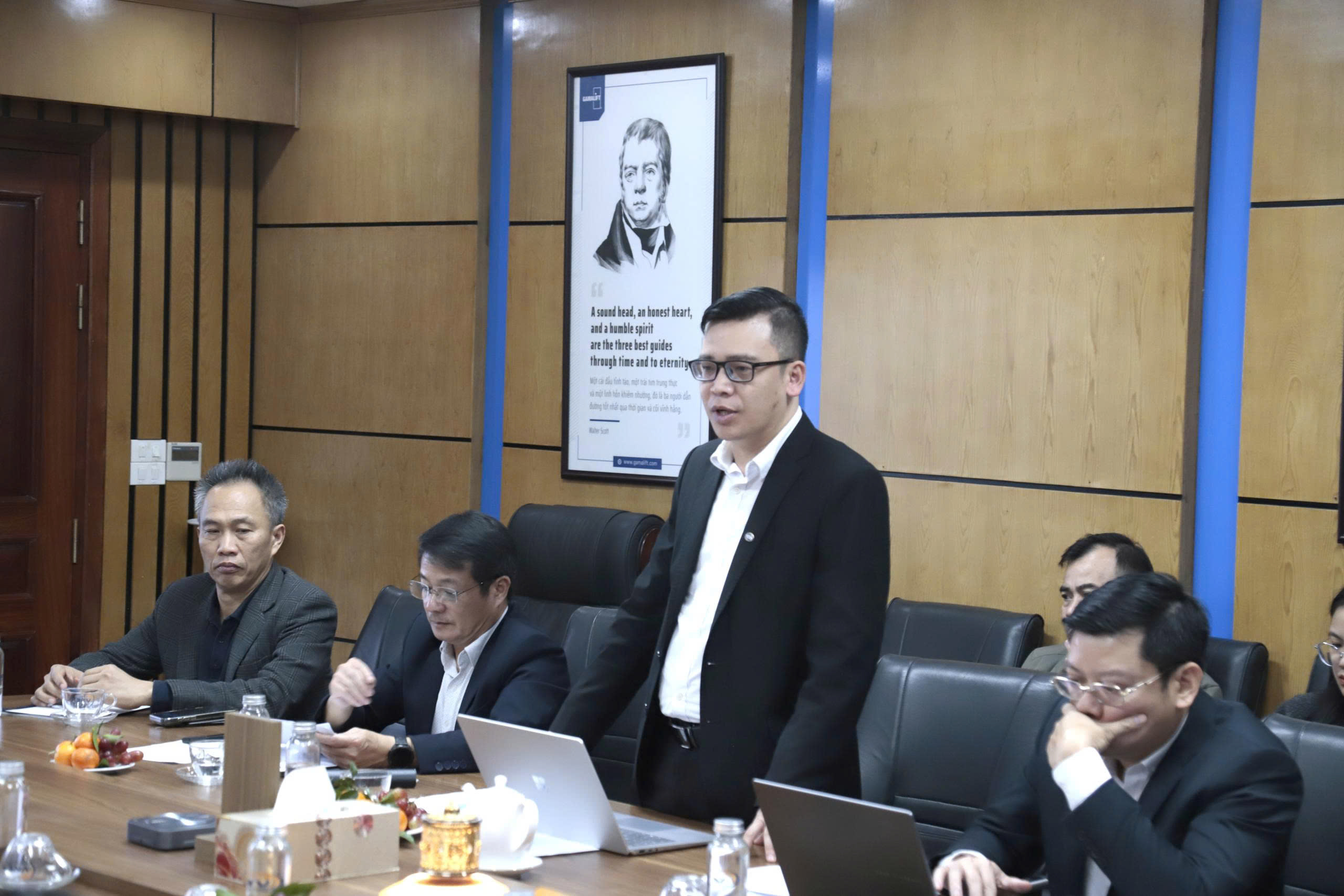
Mr. Trieu Viet Phuong - Director of the Vietnam Standards and Quality Institute
According to Mr. Phuong, the national quality infrastructure includes many pillars such as standards, testing, metrology, certification, and accreditation. If any pillar is missing, the quality infrastructure system will not be fully ensured.
With the “open” spirit of the amended Law, he believes Vietnam can fully develop a testing ecosystem by encouraging businesses to invest in testing activities, including in the elevator sector, to ensure objectivity and gradually enhance domestic capacity.
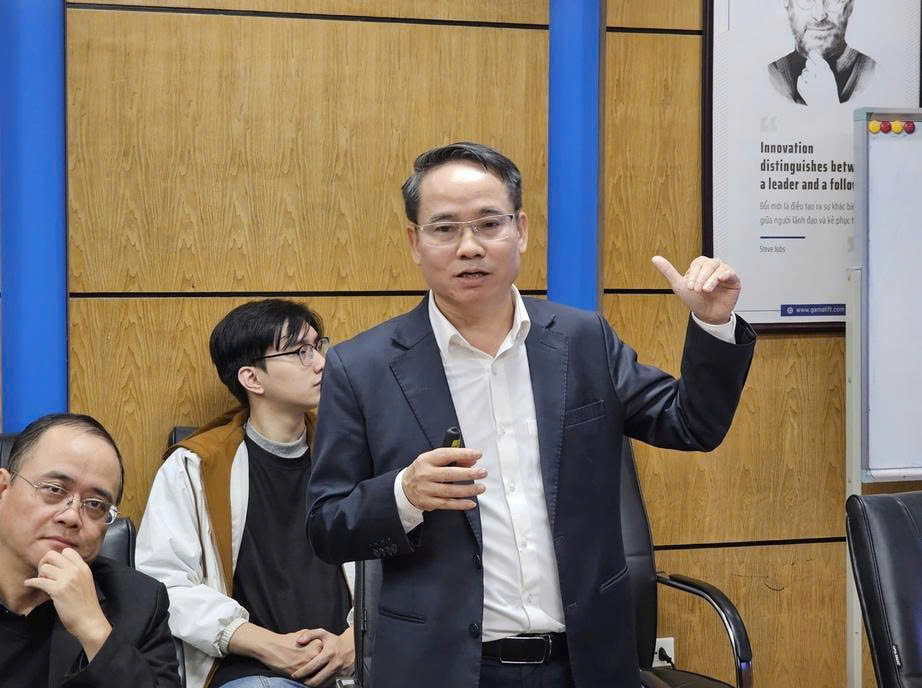
Mr. Nguyen Huy Tien, General Secretary of the Vietnam Elevator Association.
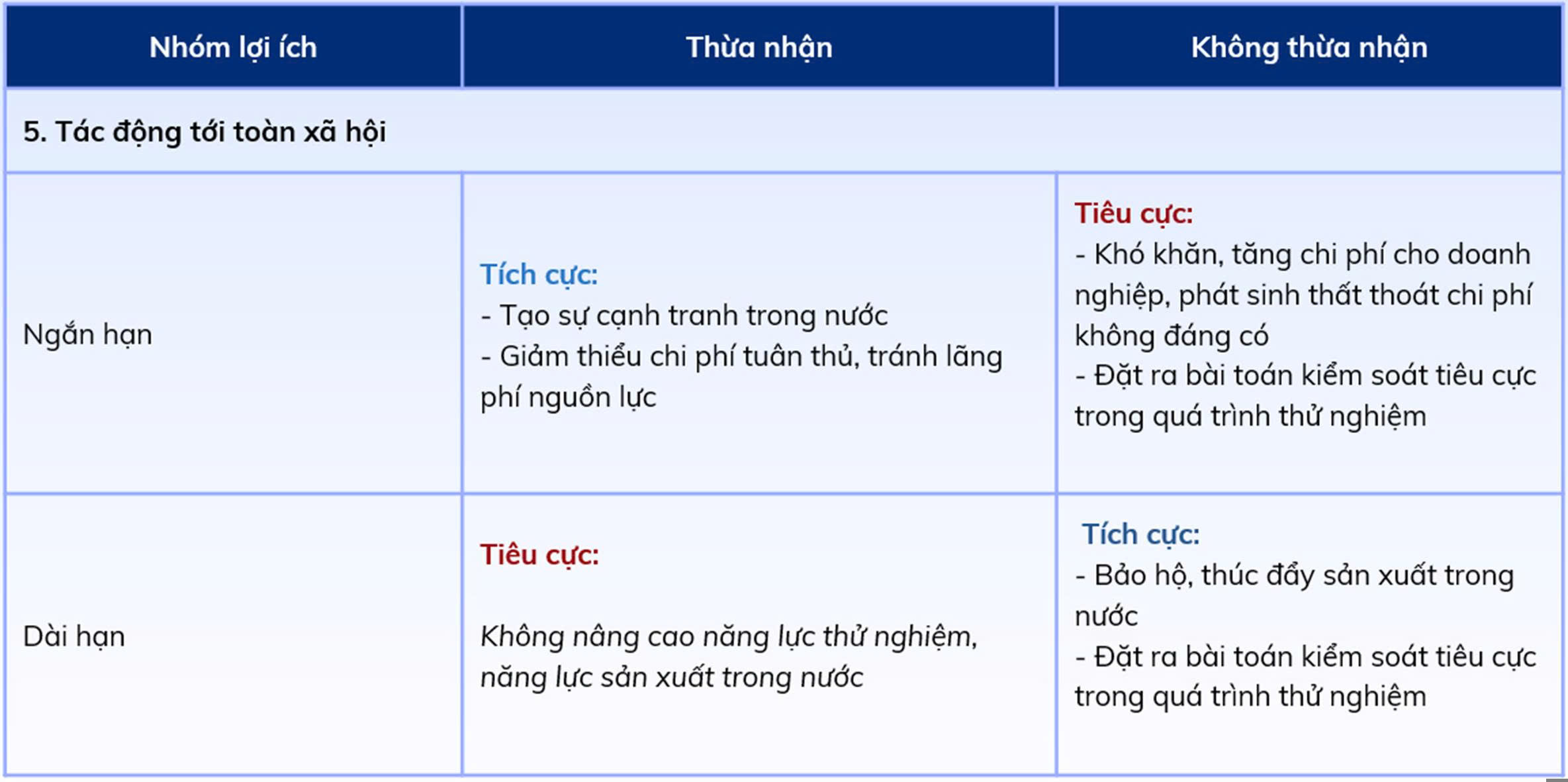
Assessing the social impact of the unilateral recognition policy, Mr. Nguyen Huy Tien – General Secretary of the Vietnam Elevator Association, stated that in the short term, this mechanism helps reduce compliance costs, remove technical barriers, support trade flows, and create favorable conditions for business production and operations.
However, if applied over a long period, unilateral recognition could slow down the process of forming domestic testing and production capacity, while increasing dependence on external supply sources and assessment results.
Conversely, not applying unilateral recognition, while potentially creating short-term pressure, could contribute to encouraging domestic enterprises to invest in research, product development, and upgrading domestic testing infrastructure… but simultaneously poses a major challenge regarding a monitoring mechanism to prevent malpractice in testing activities.
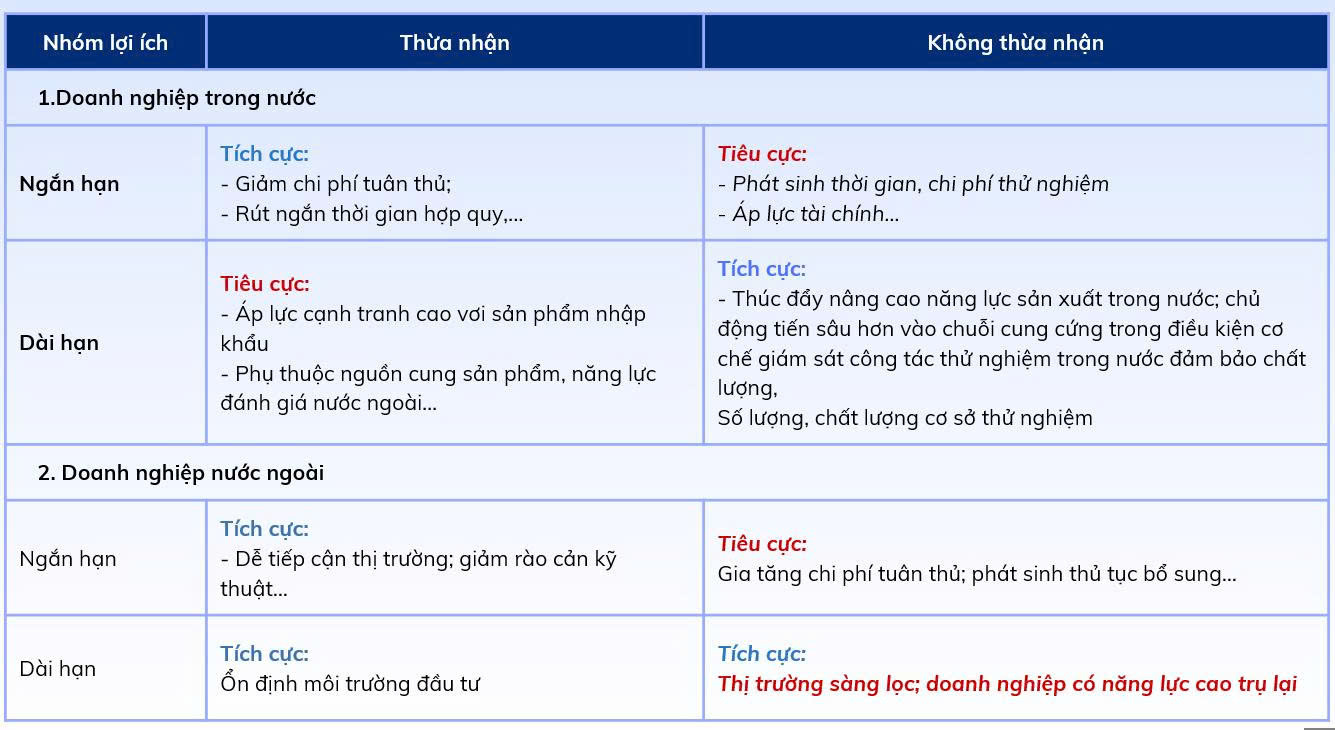
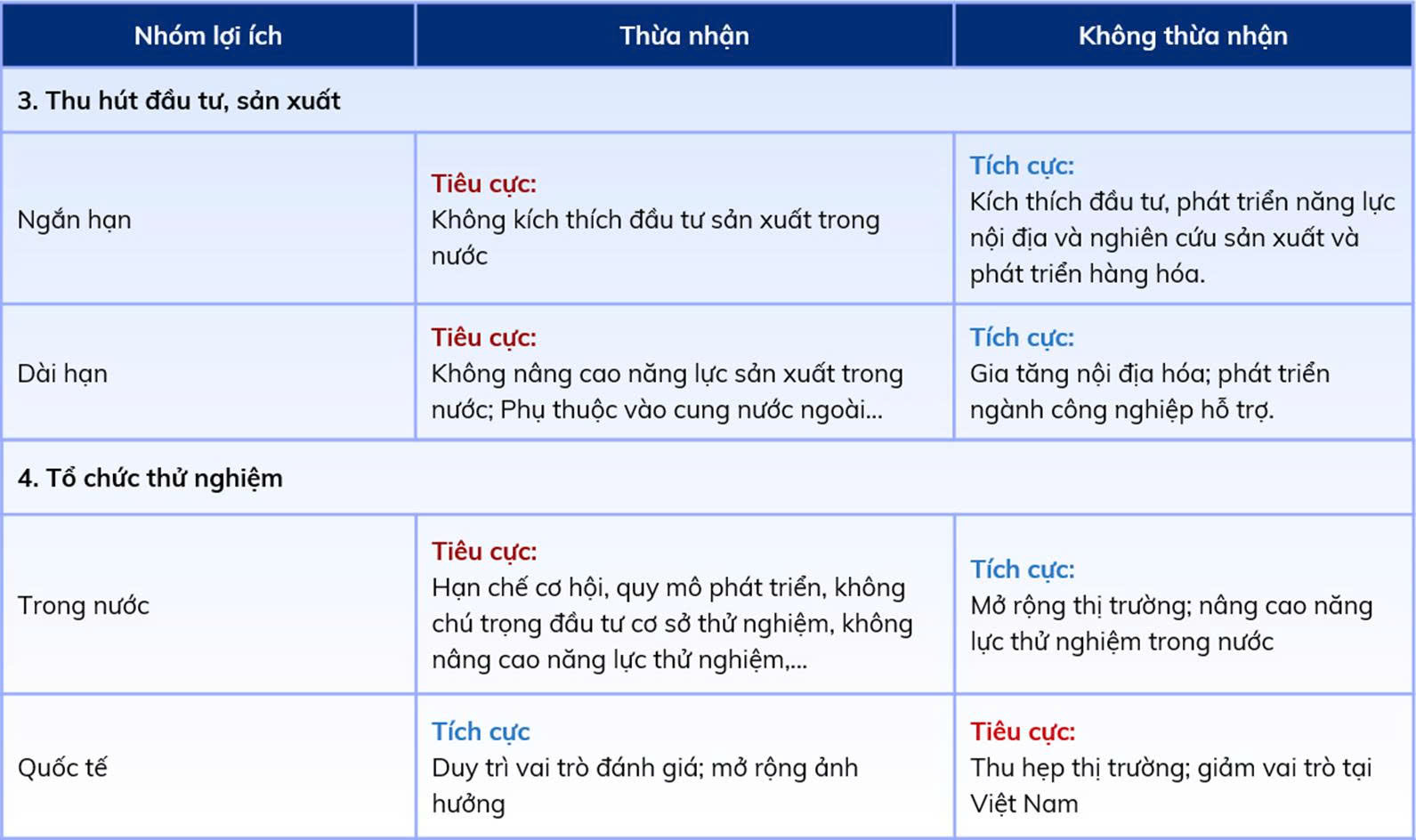
To develop the domestic testing system, Mr. Nguyen Huy Tien suggested the need to build a systematic testing infrastructure plan, ensuring synchronization in the quantity, quality, and professional capacity of testing centers; while establishing an effective monitoring mechanism to prevent malpractice and a principle of transparent, reasonable test pricing that does not burden businesses.
Based on that, the General Secretary of the Vietnam Elevator Association raised questions about the scale, capacity, and distribution network of testing centers in the context of the elevator industry reaching about 40,000 units annually, to ensure they meet practical needs, timelines, and cost-effectiveness for production and business activities.

Therefore, the key issue does not lie in “to recognize or not to recognize,” but in how the State designs the roadmap, scope of application, and appropriate control mechanism, thereby balancing the requirements of integration, economic efficiency, and the goal of sustainably developing domestic capacity.