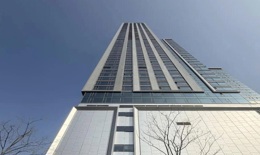




At approximately 18:30 on October 29, 2025, thick smoke suddenly billowed from Block B2 of the Le Thanh Apartment Complex (An Duong Vuong Street, An Lac Ward, Ho Chi Minh City), causing hundreds of residents to flee to other blocks to escape the affected area.
According to residents, smoke and fire originated from an electrical technical room on one of the floors in Block B2, subsequently spreading to other levels. Upon receiving the fire alarm, security personnel and residents utilized fire extinguishers to control the blaze shortly thereafter. However, the fire caused a complete power outage across all four blocks of the Le Thanh complex.
Competent forces arrived at the scene immediately to stabilize the situation and handle the fire. By 20:00 on the same day, residents had returned to the apartment complex safely.
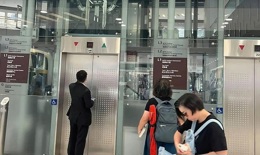
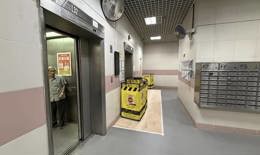
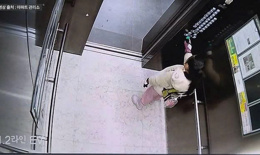
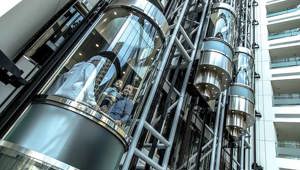
Notably, at the time of the fire, three residents unaware of the incident were using the elevator to descend from the 15th floor. When the power was cut, the cabin became trapped at the 12th floor. Approximately 15 minutes later, building management staff opened the doors and guided them to the rooftop for evacuation.
On the residents' Zalo group, many expressed frustration over not receiving timely warnings. The fire alarm and automatic sprinkler systems allegedly failed to operate throughout the duration of the fire, leaving residents to rely on internal messaging for information.


(Photo: Saigontimes)
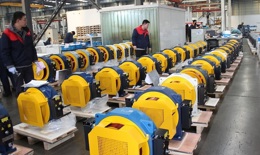
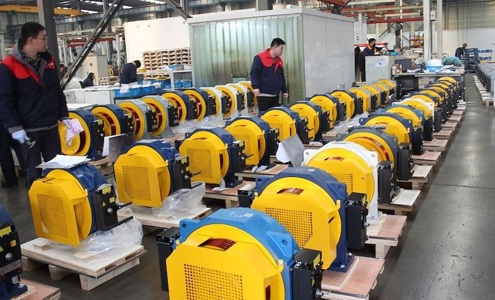
According to national technical regulations, current elevators must be equipped with an automatic rescue device (ARD – Automatic Rescue Device or ERD – Elevator Rescue Device), which functions to provide backup power from batteries to bring the cabin to a safe position in the event of a power outage or fire.
When the fire alarm system is activated, all elevators will automatically move to the evacuation floor (usually the ground floor), open their doors for passengers to exit the cabin, and then cease operation. The firefighter elevator, however, will continue to operate in a special mode, controlled by fire and rescue forces using a specialized key.
In cases of sudden power loss, the ARD/ERD system activates automatically, drawing on stored battery energy to move the cabin to the nearest floor and open the doors for safe egress. This process typically takes about one minute. Additionally, elevators must include manual rescue mechanisms for use if the automated system fails.
Therefore, whether for residential or public building elevators, ensuring the automatic rescue system remains fully operational is mandatory.
- Users (such as homeowners for private elevators or residents in apartment complexes) should request simulated sudden power loss tests of the automatic rescue system.
- Maintenance technicians must proactively test the automatic rescue system on a regular schedule during upkeep (no more than every three months).
- Similarly, inspectors are required to simulate potential emergency scenarios during evaluations.
Such simulated testing not only confirms the readiness of the automatic rescue system but also ensures that other components, like emergency lighting and ventilation fans, operate on backup batteries during power failures to prevent panic.
Furthermore, to guard against unexpected technical failures, elevators can incorporate additional rescue and emergency communication features, such as: the Self Rescue System (SRS) for active intervention; Emergency Call (Emcall) functionality to report technical issues to the service center and sequentially dial up to five emergency contacts (including rescue centers and family members); and alerts for low backup power in the automatic rescue system.
https://tapchithangmay.vn/bat-chap-nguy-hiem-nguoi-phu-nu-lai-xe-may-di-tren-thang-cuon/