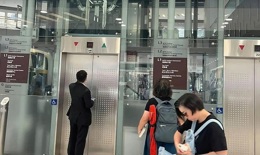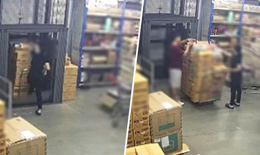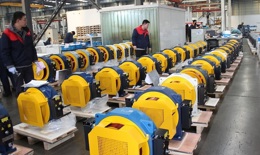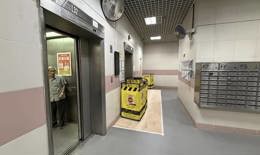




Nowadays, elevators are increasingly becoming an essential means of transportation for urban residents—emerging as a "vulnerable point" during the rainy and flood season. In Hoang Liet Ward, home to up to 83 high-rise apartment buildings, many elevators were installed over 20 years ago, rendering the safety concerns during this period even more pressing.
Risks from Flooding to Apartment Building Elevators
"Hoang Liet Ward is located in the southern part of Hanoi, featuring low-lying terrain with numerous lakes and proximity to rivers. This area encompasses large lakes such as Linh Dam Lake and Yen So Lake, along with a network of drainage canals connecting to the Set River and the Red River. The low elevation, combined with the high density of apartment constructions, makes Hoang Liet frequently susceptible to flooding during heavy rains or when the Red River rises. Basements of buildings are prone to inundation, directly impacting technical infrastructure, particularly elevator systems and the daily lives of tens of thousands of residents," shared Ta Viet Dung, Vice Chairman of the Hoang Liet Ward People's Committee.
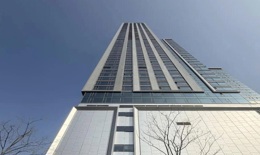
Hoang Liet Ward is renowned as Hanoi's "apartment capital," featuring complexes like HH Linh Dam, VP Linh Dam, Rice City, and others, forming a cluster of over 80 high-rise buildings. This inadvertently positions Hoang Liet as one of the city's most densely populated areas, with tens of thousands of households residing in these towers. Basements in many apartments are commonly used for parking, housing technical systems, and elevator machine rooms. During heavy rains causing flooding, water intrusion into basements can lead to electrical shorts, motor failures, and risks of fire or explosion. Particularly for elevators installed 15-20 years ago, with degraded equipment, their resilience is even more limited.
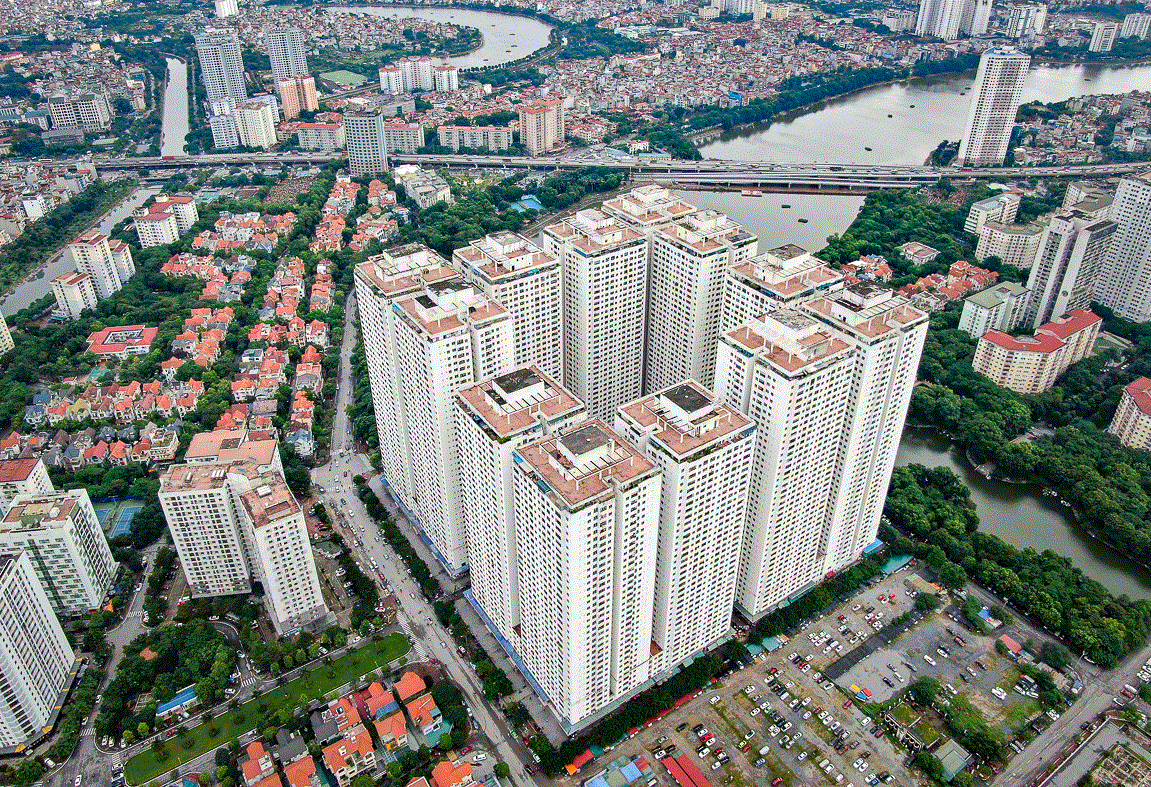
Panoramic view of the Linh Dam Peninsula and the HH Linh Dam complex from above.
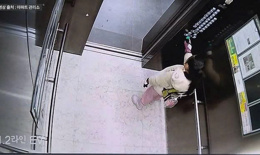
On ordinary days, there have been numerous instances of residents getting trapped in elevator cabins due to sudden power outages; during floods, this has raised significant concerns for local authorities in ensuring public safety. Moreover, repair costs following flooding are substantial, affecting maintenance funds and residents' quality of life. With a large number of elevators and their advanced age, Hoang Liet faces major challenges in technical safety. Poet Pham Mau, a long-time resident of the Linh Dam Peninsula Urban Area, shared: "I still cannot imagine how my wife and I, both in our 80s and living on the 28th floor, would manage if the elevator stopped for 4-5 days."
Elevators in apartment buildings are not merely a means of transportation but are integral to the daily routines of 90,000 residents. When elevators cease operation due to flooding, lives are disrupted: residents on higher floors must climb stairs, posing difficulties for the elderly, children, and people with disabilities. The transport of goods and emergency medical needs are also interrupted. In Hoang Liet, while no regrettable incidents have occurred yet, many residents have begun expressing concerns about insecurity when basements flood and elevators remain out of service for extended periods. This anxiety over safety erodes confidence in infrastructure quality. This is not just a technical issue but a social one, impacting living standards and community stability.

Image of an apartment building and its elevator system at Ecohome 1 (Bac Tu Liem, Hanoi) flooded due to the impact of Typhoon No. 5 - Kajiki on August 26, 2025.
Technological and Urban Management Solutions
Over the past two years, Hoang Liet Ward has confronted multiple episodes of heavy rain and unusual storms due to climate change impacts. The area's inherently low-lying terrain, coupled with 83 high-rise apartments and tens of thousands of households, means risks of flooding, infrastructure failures—especially in elevator systems and basements—are ever-present. However, thanks to the proactive efforts of the ward's Party Committee and authorities, along with close coordination from various forces, no serious incidents have occurred on the premises.
Annually, the Hoang Liet Ward People's Committee has implemented numerous disaster prevention plans, ranging from maintaining drainage systems and conducting regular inspections of technical basements to requiring apartment management boards to develop storm response strategies. Neighborhood groups and organizations have also actively promoted awareness, encouraging residents to heighten preventive measures, avoid using elevators during flood warnings, and participate in cleaning and clearing drains. As a result, despite unpredictable storms, infrastructure has operated stably, and residents' lives have not been disrupted, particularly in 30-40 story buildings. This success demonstrates Hoang Liet's proactive and innovative approach to urban management, contributing to community safety amid increasingly harsh climate conditions.
In discussions with us, Vice Chairman Ta Viet Dung noted that, beyond the authorities' interim solutions, investors, specialized planning agencies, technical experts, and elevator consultants must engage from the outset. In practice, elevator safety in general—and during rainy and stormy seasons in particular—has become a key criterion that apartment buyers prioritize.
Chairman and General Director of Hanoi Housing and Urban Development Business Joint Stock Company (HANHUD) Nguyen Trung Hau shared: "Experience shows that flood prevention for apartment buildings is a critical criterion in designing and planning the new Dai Kim - Dinh Cong Urban Area. At HANHUD, we are always mindful of this and proactively collaborate with experienced elevator companies when designing basements, as I know that errors are very difficult to rectify, especially for high-rise apartments as per current trends."
Ms. Nguyen Trung Hau stated that, after receiving the site handover from Dinh Cong Ward, the company will urgently complete the final 600 meters of Nguyen Canh Di Road by early 2026. At that time, HANHUD will hold a serious working session with consultants on addressing flooding in the urban area in general and basement flooding in apartments in particular.
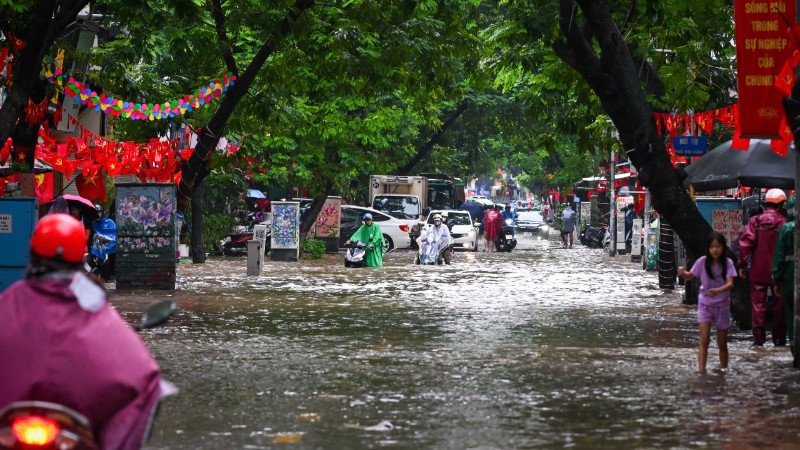
In just over a month (late August to early October 2025), Hanoi residents endured three major flooding events due to the influences of Typhoon No. 5 Kajiki, Typhoon No. 10 Bualoi, and Typhoon No. 11 Matmo.
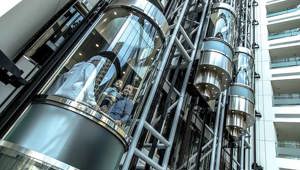
According to many construction experts, to cope with flooding in an increasingly complex and unpredictable context, a synchronized approach of technical and management solutions is essential: Elevator designs must survey the highest historical flood peaks in the area, as well as forecast future scenarios, ensuring flood resistance, elevating machine room positions, waterproofing basements, and installing water barriers. Accordingly, water sensors and warning systems are needed: automatically cutting power upon detecting water ingress and alerting residents not to use elevators. Backup power sources: equipping generators or UPS to ensure elevator functionality in emergencies. This requires design consultants and elevator advisors to be entities with extensive practical experience.
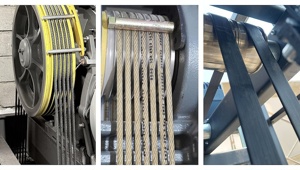
In reality, ensuring safety during the rainy and flood season necessitates regular inspections: especially for elevators installed 20 years ago, requiring component replacements and system upgrades. In the long term, urban planning must address improving drainage systems and restricting basement construction in low-lying areas.
For Hoang Liet Ward, since the two-level authorities began operations, the Economic, Infrastructure, and Urban Affairs Department has collaborated with management boards, neighborhood groups, and communities to promote awareness, guide residents on handling elevator incidents during floods, and enhance preventive consciousness. "We have reviewed, categorized, and issued warnings for apartments in low-lying areas, emphasizing the need for special attention to surrounding water levels and absolutely no complacency," shared Vu Duc Minh, Head of the Economic, Infrastructure, and Urban Affairs Department.
Elevators and flooding represent a unique interconnection, reflecting urban safety challenges in the era of climate change. For Hoang Liet Ward—with up to 83 high-rise apartments and many elevators installed 20 years ago—this issue is particularly urgent. To ensure safety, a combination of technology, management policies, and community awareness is essential. From protecting apartment elevators, we can broaden our perspective on the resilience of Vietnamese cities against natural disasters, aiming toward sustainable development and safety for all residents.
https://tapchithangmay.vn/quy-chuan-tieu-chuan-ve-chong-ngap-nuoc-cho-thang-may/