



Ths Kts Phạm Hoàng Phương, Viện Kiến trúc quốc gia (Bộ Xây dựng)
Ths. Kts Trần Văn Bộ
Currently, alongside the synchronized development of urban infrastructure and the need to address limited land funds—especially in major metropolises like Hanoi and Ho Chi Minh City—numerous underground spaces have been planned and are under construction.
Unlike the initial experimental phase (pre-2010), underground spaces are now planned with relative diversity and richness, integrated into various types of urban spaces such as new urban areas, high-rise apartment complexes, low-rise housing, public parks, and urban railways, with increasingly larger scales in terms of depth and area. The functions of these subterranean structures are also highly varied, including private parking (bicycles, motorbikes, cars) for high-rise apartments, commercial services, entertainment, and public transport connectivity.
In Hanoi, the most prominent example is the underground parking, shopping mall, and service complex at Vincom Mega Mall, boasting a total floor area of over 230,000 m² situated directly beneath the high-rise buildings of the Times City urban area. Immediately upon completion, with its optimal exploitation of three large-scale basement levels, this underground facility not only provided convenient amenities for local residents but also became one of the most ideal shopping, entertainment, and culinary destinations in Vietnam. Previously, between 2010 and 2012, a similar area at the Royal City New Urban Area (Hanoi) also became famous for this utility model.
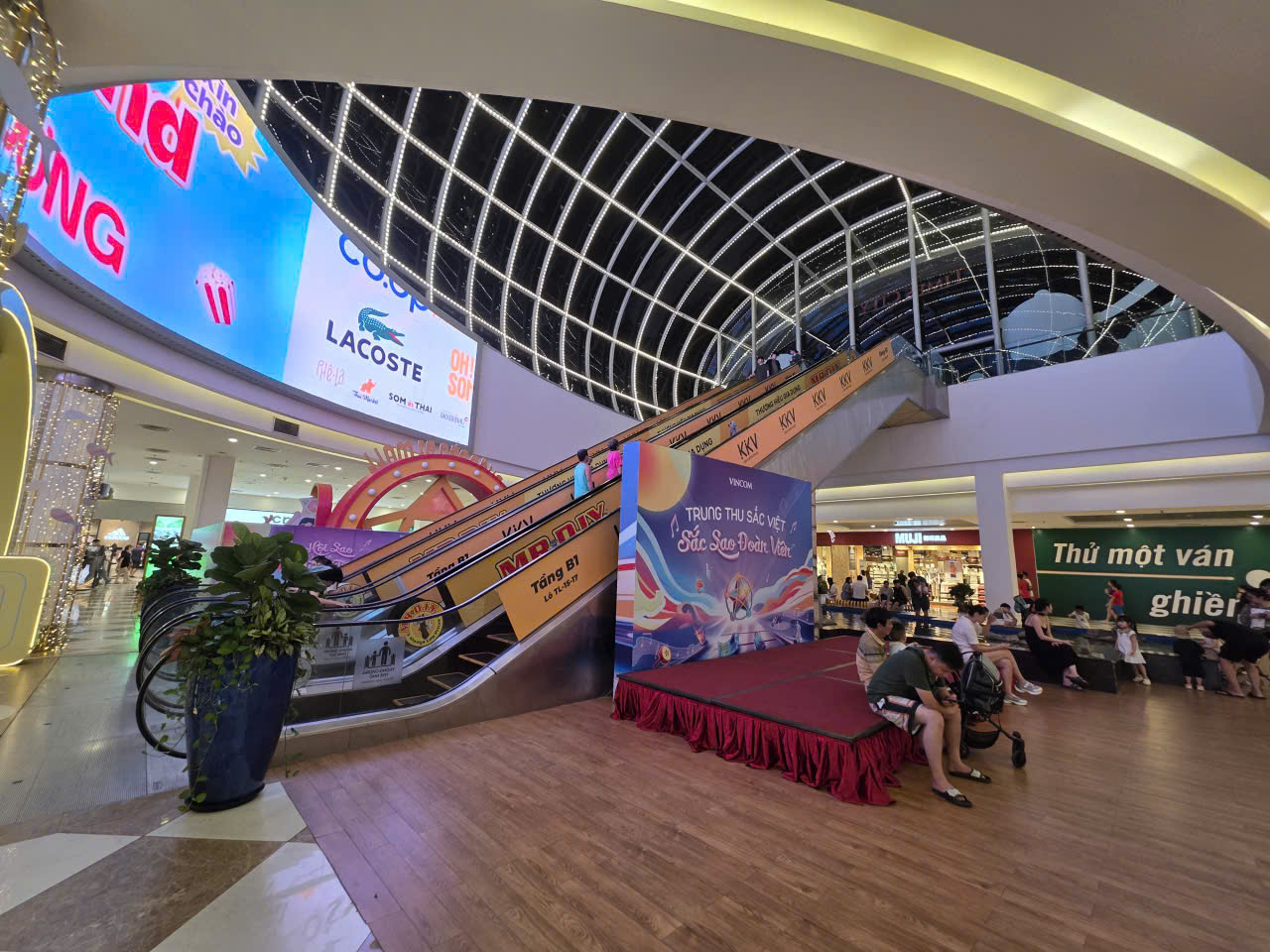
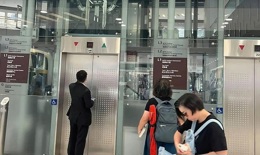
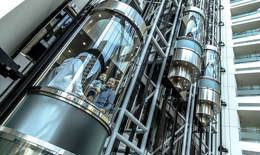
Figure 1: The elevator system connecting the underground space with commercial service functions at the Times City New Urban Area (Hanoi). (Photo source: Author)
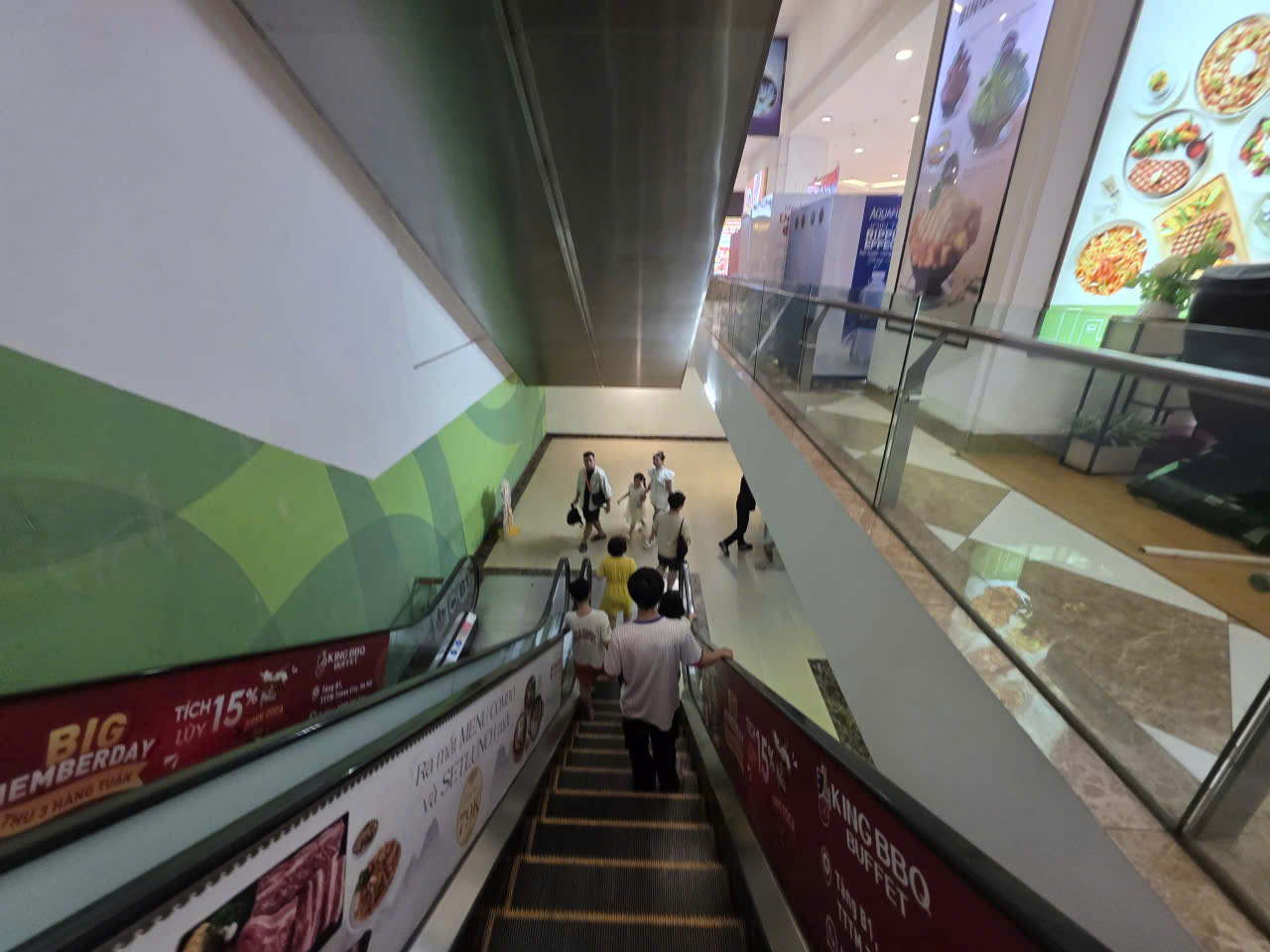
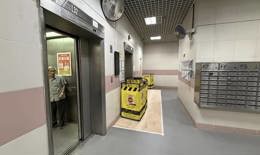
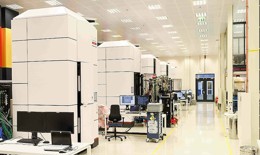
Figure 2: The elevator system connecting the basement parking space at the Times City New Urban Area (Hanoi). (Photo source: Author)
In Ho Chi Minh City, the most notable example is the commercial underground space at September 23 Park in the city center. The scale includes 6,000 m² for parking and 5,000 m² dedicated to shopping and dining. In the future, this underground space will be planned and invested in to synchronously connect with many neighboring underground spaces, such as the Ben Thanh Underground Metro Station (Ben Thanh – Suoi Tien line) and upcoming underground spaces at Bach Dang Wharf. This serves as a subterranean space providing exciting and healthy entertainment amenities for residents and tourists while reserving the entire surface area for preserving rare green spaces in the urban core.
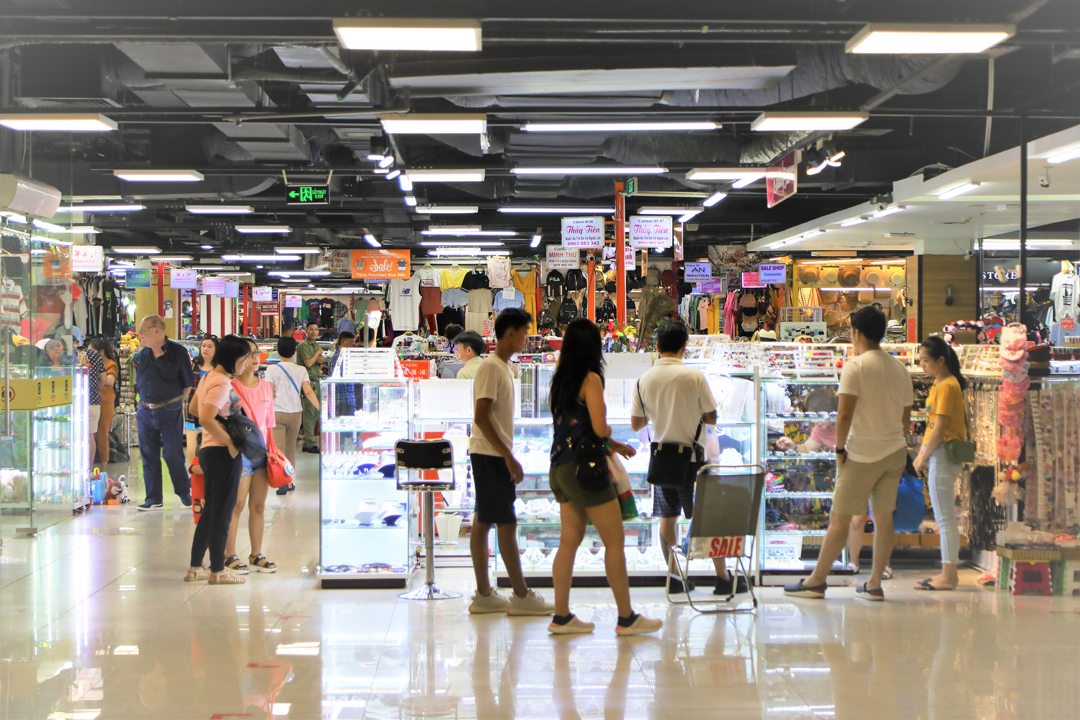
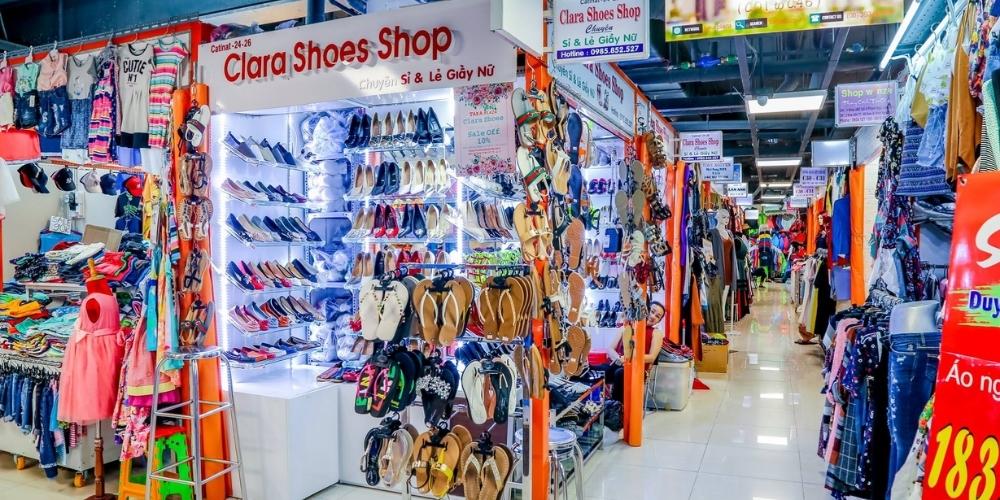
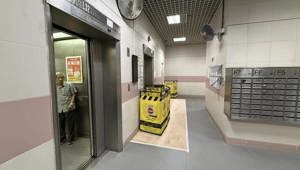
Figure 3: Underground space with commercial service functions at September 23 Park, central Ho Chi Minh City. (Photo source: Internet)
Additionally, the underground Ben Thanh Station of the Ben Thanh – Suoi Tien Metro Line (Ho Chi Minh City) is considered a flagship underground transport space.
Measuring 236 meters in length, 60 meters in width, and approximately 32 meters in depth, the station is designed with four levels. The B1 level, covering 45,000 square meters, includes passenger facilities (waiting areas, ticket machines, automated fare gates), information desks, station offices, equipment rooms, and an integrated shopping center exceeding 18,000 square meters. The B2 level features platforms for Lines 1 and 3a, where trains stop to board and disembark passengers, along with platform control offices, fire safety and water pumping equipment rooms, and ventilation systems.
The B3 level houses air handling rooms, power supply rooms, staff rest areas, and the platform for Line 4. The B4 level includes the platform for Line 2, where trains stop for passengers. Upon completion and operation, this project has emerged as a key highlight in Ho Chi Minh City's public transportation network.
To achieve such utility values—particularly ensuring safe and convenient access to deep-level functional areas for the public—elevator systems (including both elevators and escalators) play a crucial role in these underground spaces.
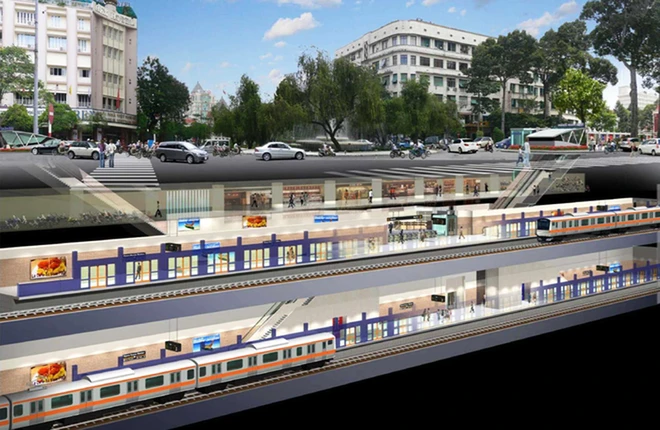
Image 4: Rendering of Ben Thanh underground station on the Ben Thanh-Suoi Tien Metro line (Ho Chi Minh City) with a convenient and safe elevator connection system (photo source: internet)

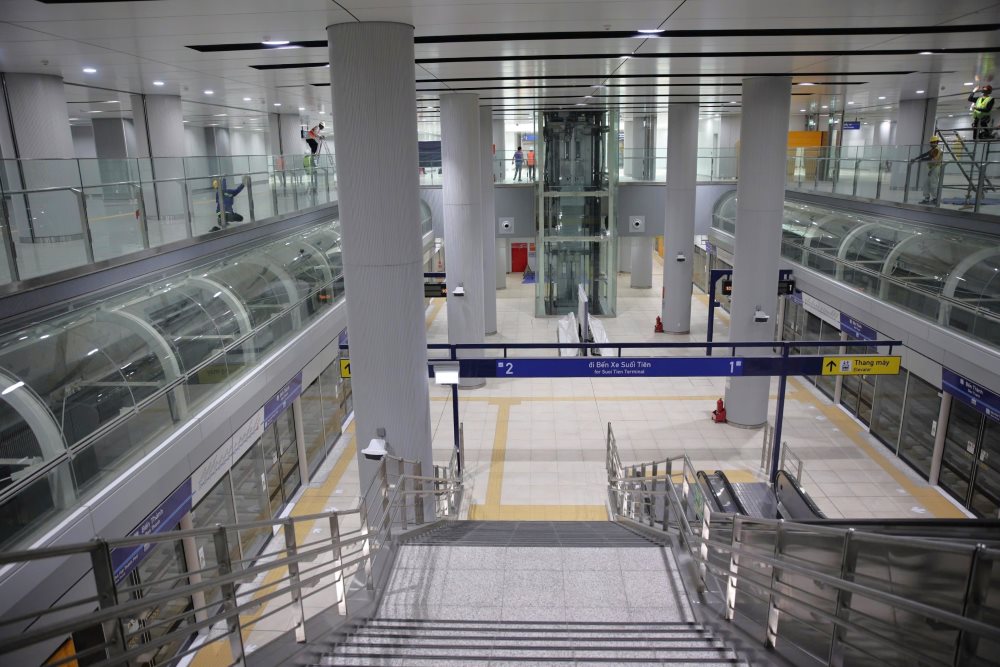
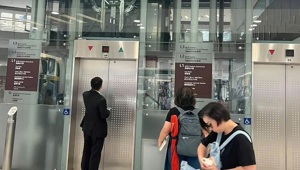
Image 5: Elevator system constructed and installed in sync with the design at Ben Thanh underground station on the Ben Thanh-Suoi Tien Metro line (Ho Chi Minh City) (photo source: internet)
ELEVATORS: A CRITICAL ELECTROMECHANICAL COMPONENT IN FUTURE UNDERGROUND PROJECTS
Although still in the early implementation stages, underground spaces in Vietnam currently focus on three primary functions: public transportation via urban rail lines running underground in city centers; static transportation including metro stations and planned parking garages; and commerce through shopping districts integrated with underground rail stations. However, underground spaces can be regarded as a precious spatial resource for Vietnam's cities in the future, as constructing subterranean infrastructure to address environmental challenges, reduce surface land density, and sustain economic growth is indispensable.
The emergence of new low-rise residential areas and public buildings equipped with underground levels for parking, commercial services, and amenities is no longer uncommon.
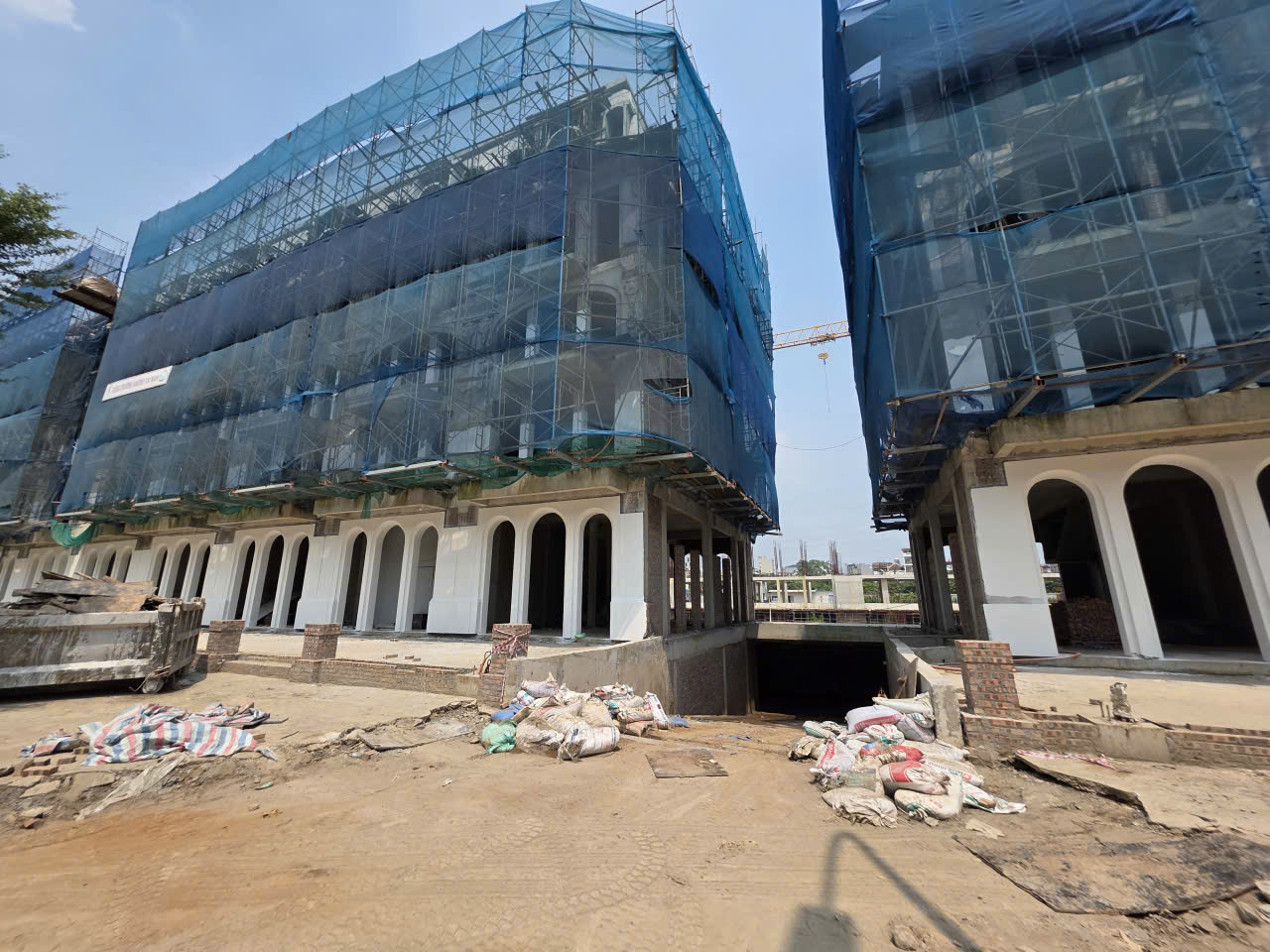
Image 6: Low-rise residential area in Ciputra urban development (Hanoi) with a shared underground entrance for parking under construction (photo source: authors)
Utilizing underground spaces is an inevitable trend in large, modern cities. In cities across Europe, the Americas, the UK, Canada, China, Japan, South Korea, Singapore, and other developed nations—even in resource-limited countries like the Democratic People's Republic of Korea—this issue has been prioritized early on.
Today, underground development serves as a key to environmental preservation and facilitates the protection of urban living environments.
For instance, Lovov Square in Ukraine features a garage for 2,300 cars combined with a large commercial and public center linked to a metro station. In Geneva, Switzerland, a seven-level underground garage, 28 meters deep, accommodates 530 passenger vehicles. In land-scarce, high-density Japanese cities like Tokyo and Osaka, synchronized underground infrastructure development is always oriented as a transit-oriented development (TOD) strategy. This emphasizes building shopping centers, public activity spaces, and underground garages while establishing subterranean connections (pedestrian tunnels) within 500-1,000 meters around stations.
In Vietnam's urban development strategy, as the demand for underground construction rises proportionally with increasing land values and surface scarcity for civil projects, the synchronized and efficient development of urban underground spaces has been designated as a key objective and is receiving heightened attention. This is clearly reflected in urban master plans, especially for major cities like Hanoi and Ho Chi Minh City.
In Hanoi, the 1/10,000-scale master plan for central urban underground construction—approved by the Hanoi People's Committee under Decision No. 913/QD-UBND on March 15, 2022—outlines over 121,000 hectares of underground space up to 2030, with a vision to 2050. This includes underground transportation; public underground parking; subterranean technical infrastructure; underground public facilities; and technical connections linking underground spaces. Horizontally, potential areas in the central urban zone encompass the inner city (historic and expanded inner city); new high-rise developments north of the Red River and the eastern Ring Road 4 chain; projects within the green belt; and areas along axes like Ho Tay-Ba Vi, West Ho Tay, Ho Tay-Co Loa, and urban rail corridors.
Vertically (divided into three layers): (1) Shallow layer from 0 to 5 meters for technical infrastructure, building basement entrances, and pedestrian tunnels; (2) Medium layer from 5 to 15 meters for public underground facilities and parking; (3) Deep layer from 15 to 30 meters for underground transportation systems, urban railways, and main technical tunnels.
In Ho Chi Minh City, the adjusted master plan to 2040, with a vision to 2060—approved by the Prime Minister under Decision No. 1125/QD-TTg on June 11, 2025—focuses underground spaces primarily on three functions: public transportation via underground urban rail in city centers; static transportation including metro stations and planned parking types; and commerce through shopping areas integrated with underground rail stations.
Four key areas for underground development research in Ho Chi Minh City include: the existing city center (930 hectares), Thu Thiem center (Thu Duc City), Cho Lon-Phu Tho center (Districts 5-10), and Hoa Hung-Cong Hoa center (Hoa Hung station in District 3 and Cong Hoa area in Tan Binh District). These four priority zones will feature 23 underground development areas: 12 commercial underground spaces, 7 metro station underground spaces, and 4 specialized underground spaces.
Specifically, the existing Ho Chi Minh City center (930 hectares) has 8 underground development areas: 5 commercial underground spaces (Le Loi and Nguyen Hue streets area, Le Van Tam Park, 23/9 Park, Ba Son station of Metro Line 1, Tan Cang station and residential area); 3 specialized underground spaces (Bach Dang Wharf and Ton Duc Thang Street, Ben Thanh station and Ham Nghi Street, Saigon Port). Thu Thiem center (Thu Duc City): 2 commercial underground spaces and 2 specialized underground areas. Cho Lon-Phu Tho center: 3 commercial underground spaces (Phu Tho sports complex, Le Hong Phong-Hung Vuong streets area, Nguyen Van Cu University area), 1 metro station underground space at Cho Lon near Van Lang Park, and 1 specialized underground space at Cho Lon medical cluster.
Hoa Hung-Cong Hoa center: 2 commercial underground spaces at C30 urban area (near Polytechnic University) and To Hien Thanh Street area, 3 metro station underground spaces at Hoa Hung, Nguyen Van Troi, and Hoang Van Thu-Cong Hoa stations, and 1 specialized underground space connecting Tan Son Nhat Airport. Additionally, Ho Chi Minh City may explore 3 more external underground spaces, such as the expanded integrated tunnel at Phu My Bridge (District 7), Truong Chinh-Au Co station area (Tan Binh District), and Gia Dinh Park station area (Go Vap District).
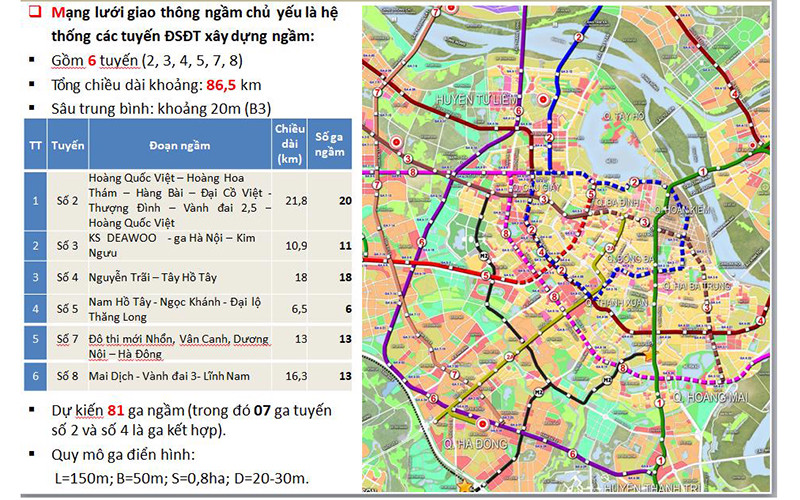
Image 7: Schematic diagram of urban underground transportation planning from the master plan for central Hanoi underground construction to 2030, with a vision to 2050 (photo source: internet)
Alongside this, on September 14, Ho Chi Minh City issued a decision supplementing underground construction planning content into the management regulations for the 1/2,000-scale detailed urban construction plan (subdivision plan) for the existing city center's 930-hectare area, approved by the City People's Committee under Decision No. 6708/QD-UBND on December 29, 2012. For low-rise housing and individual homes, a maximum of one basement level is permitted for technical floors and parking.
For high-rise housing (apartments), service buildings, public facilities, headquarters, structures in export processing zones, industrial parks, high-tech zones, and other constructions, basements are encouraged and permitted in line with building standards and regulations. Underground urban structures must ensure safety for the community, the structure itself, and adjacent buildings; they must not affect the use, operation, or exploitation of nearby structures or those identified in urban plans.
However, to effectively exploit and maximize urban underground facilities, beyond comprehensive planning and strategies, connectivity and safety must be prioritized. Among these, the design and synchronized installation of standard-compliant elevator systems is a prerequisite factor.
Numerous studies have highlighted that underground levels used as shopping centers contain various flammable goods such as clothing, footwear, leather bags, cosmetics, household appliances, bookstores, and sports equipment. Combustion byproducts, especially toxic smoke, can rapidly spread and diffuse upward due to interconnected levels.
Even more dangerously, fires occurring during peak shopping hours can cause chaos, stampedes, and pushing, escalating casualties and severely hindering firefighting efforts by specialized forces. Similarly, in parking garage basements, large quantities of flammable materials like gasoline, oil, rubber, and plastics are present. In a fire, smoke can ascend through gaps such as pipe penetrations, trash chutes, technical shafts, and especially elevator shafts or wells.
To mitigate and minimize such damages, per QCVN 06:2020/BXD, "in underground garages with more than two basement levels, each fire compartment must include at least one elevator operating in firefighting mode." This type of elevator is designed and installed to meet fire prevention and firefighting technical requirements, serving to transport firefighting personnel and equipment from the Fire Police and Rescue forces in high-rise buildings.
The elevator is placed in a fire-resistant shaft with a fire-prevention vestibule before entering at each level. Structural components like the elevator shaft, fire-prevention vestibule, fire doors at the vestibule, and shaft doors must have fire resistance limits.
Cabin dimensions must not be less than 1,100mm in width, 1,400mm in depth, with a rated load of at least 630kg. The minimum cabin entrance width is 800mm. When the firefighting elevator is used considering evacuation of people from the fire and involves stretchers or beds, or has dual entrances, the minimum rated load is 1,000kg, with a cabin width of 1,100mm and depth no less than 2,100mm.
Furthermore, amid increasingly complex natural disasters and climate change impacts in terms of severity and frequency, underground elevator systems must also contend with flooding risks. Comprehensive preventive measures are essential to ensure user safety and convenience.