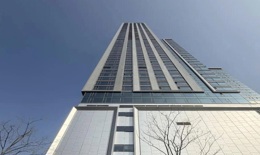




The tragedy unfolded on September 30, 2025, at an 11-story building in the Altaylilar district of Tarsus city, Mersin province (Turkey), as reported by foreign media on October 5, 2025.
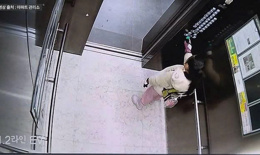
The victim was identified as Ms. Pelin Yasot Kiyga. Like any other day, Ms. Pelin left her apartment and pressed the elevator button to descend for work. However, the elevator suddenly jammed.

Portrait of the wife who died due to the free-falling elevator (Photo: Mail).
Mr. Gokhan Kiyga, 34, Pelin's husband, attempted to pry open the elevator doors from the outside to rescue his wife. He simultaneously called for help and desperately pressed the control buttons.
Shortly after, the cabin suddenly jammed, and merely seconds later, plummeted down the shaft along with the heavy concrete counterweights.
The husband, injured in the leg during the rescue attempt, frantically rushed down the stairs. Rescue forces arrived promptly, extracting Pelin while she was still alive and transferring her to the hospital; however, doctors were unable to save her. Kiyga leaves behind a young child.
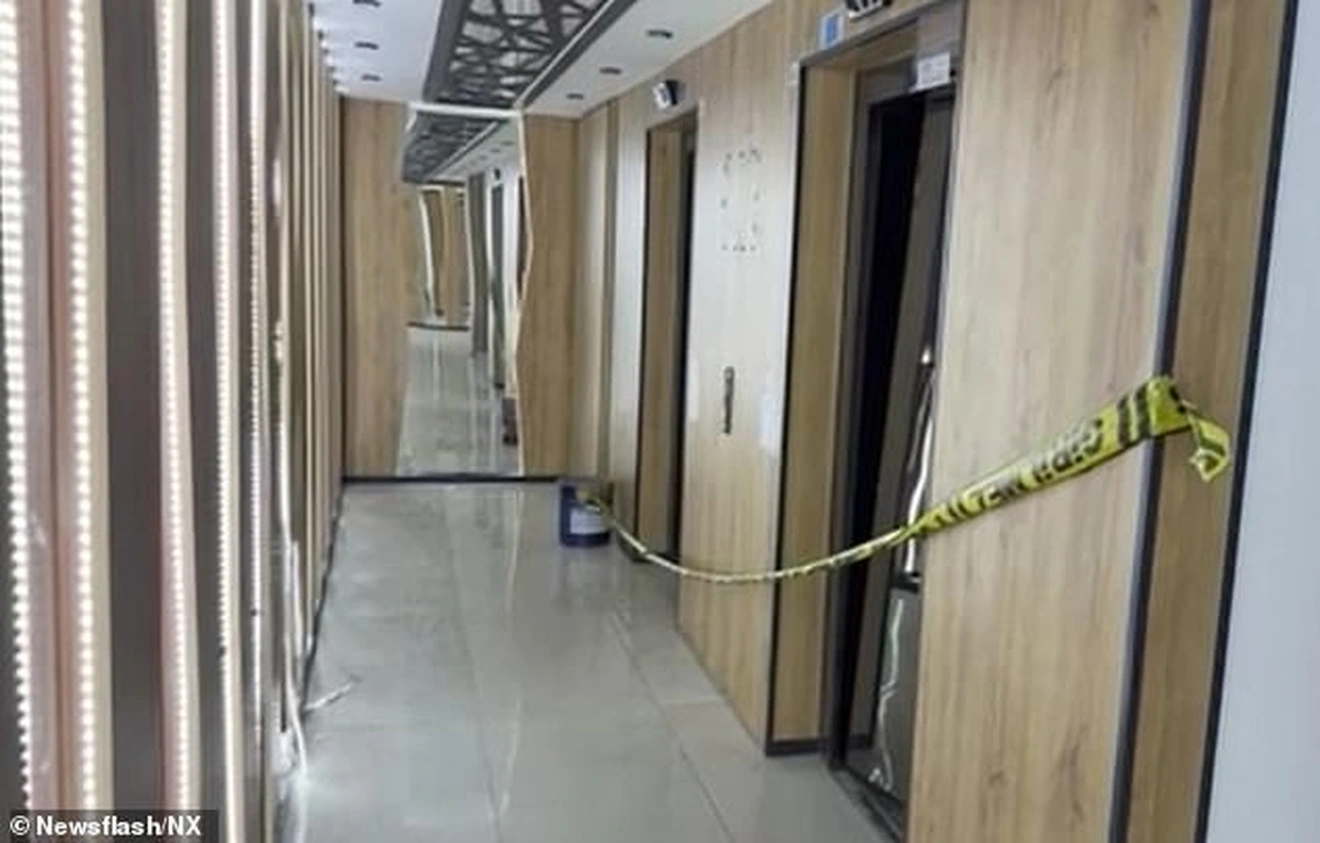
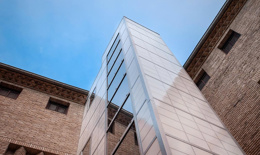
The scene where the tragic incident occurred (Photo: Mail).
Police stated that they have taken statements from 17 individuals and detained three suspects, including the former director of the elevator maintenance company, the apartment building manager, and the construction manager.
Residents revealed in a group chat that the elevator had been malfunctioning for over a month prior to the accident but remained unrepaired.
On-site evidence showed that the cabin and concrete counterweights fell from the 7th floor into the shaft. According to initial expert assessments, the causes could be:
1. The concrete counterweights were substandard or had degraded and crumbled over time, causing a load imbalance that allowed the cabin to drift.
2. When the cabin drifted beyond the allowable speed, the safety gear system should have activated to lock the cabin to the guide rails; however, the brakes may have failed, leading to the cabin free-falling into the shaft.
All these issues could have been detected and prevented through proper periodic maintenance, inspection, and safety verification protocols—but clearly, this step was neglected or performed by unqualified or irresponsible technicians.
The incident has shocked Turkey, yet it is not a rare occurrence.
In Washington, D.C. (USA) late last September, a woman in a wheelchair nearly lost her life when elevator doors clamped onto her arm. Firefighters had to rescue the victim, who was hospitalized in critical condition.
Similarly, an incident occurred in Mumbai (India) earlier this year involving an elevator malfunction. A hydraulic car lift at a 21-story construction site suddenly collapsed. The accident resulted in one worker's death and serious injuries to another due to a snapped lifting cable.
Meanwhile, in Colorado (USA), tour guide Patrick Weier (46) died while leading a tour group to visit the Mollie Kathleen gold mine.
The transport elevator system suddenly went into free fall, trapping the tourist group underground. Investigators subsequently concluded the cause was an operational error, not a technical fault.
These incidents demonstrate that if elevators are not inspected and maintained according to safety standards, they harbor potentially lethal risks.