

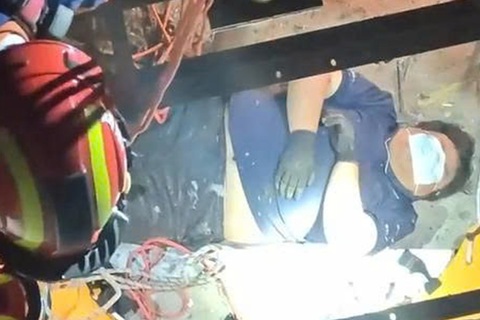

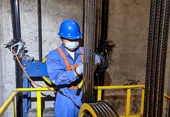





























EM - Take a look at the recent serious elevator accidents, most of which are related to the elevator landing door. There are many reasons such as the awareness of the elevator users, the negligence of the technical staff for maintenance, repair, inspection and even objective technical errors related to the elevator.
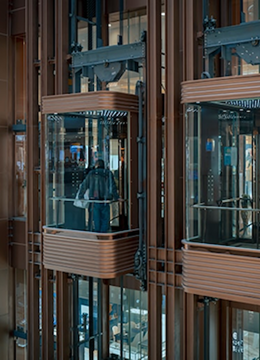
EM - Elevators are quite common means of transport but may not be known to many people, there are nearly 20 different types of elevator doors and cabin doors, including many unusual doors. In particular, a number of special doors such as folding doors, sliding door, manual door, etc., are suitable for renovation projects and can be installed for micro-elevators due to the limited area.
EM – Programs, processes and methods of training elevator technicians in different countries have similarities and differences. However, European and American training standards are studied and applied by many countries.
EM – In addition to the technical regulations and technical standards that make up the brand, the leading countries in elevator quality also require the level of human resources in the industry by management settings, training programs and management. This can be a reference source for Vietnam's elevator industry.
Although Japan is not the home of the car industry, Toyota (Japan) has become the dominant car company in the world. This makes one want to decipher why the company is so successful. When the world gradually understood the philosophies of the production model, it was discovered and transformed into the knowledge of the Japanese people: Lean Manufacturing.
EM - The 4th Industrial Revolution (Industry 4.0) has profoundly changed production methods in the global economy. Robots gradually replace humans, not only in the "muscular" part but also in logical thinking. This creates a crisis in which humanity is forced to face the truth: Useless crisis!
Human resources in the elevator industry are currently weak and lacking. This situation poses significant challenges for the development of enterprises and the whole elevator industry in Vietnam.
With 10,000 elevators installed each year, the Vietnamese market has shown that the potential for this product is huge. The elevator industry has a lot of potential and momentum for development. But the question is how must the workforce be trained to meet the development of the elevator industry in the coming time?
All types of transport vehicles that are heavily related to human safety must strictly comply with regulations on shelf life. Meanwhile, elevators also have many similarities, but currently there is no regulation on "retirement age". Should we ask these questions?
Not only "muddy hands and feet" save the change, but Vietnamese businesses also cultivate in a seasonal way. What is the reason for the assumption that "domestic enterprises are difficult to develop"?
The market is like a battlefield, that saying is not wrong when it comes to the level of fierceness that each business will have to face when participating in the game. That battlefield is the fight for market share for your business to survive and develop. But is the real competitor of the business like that?