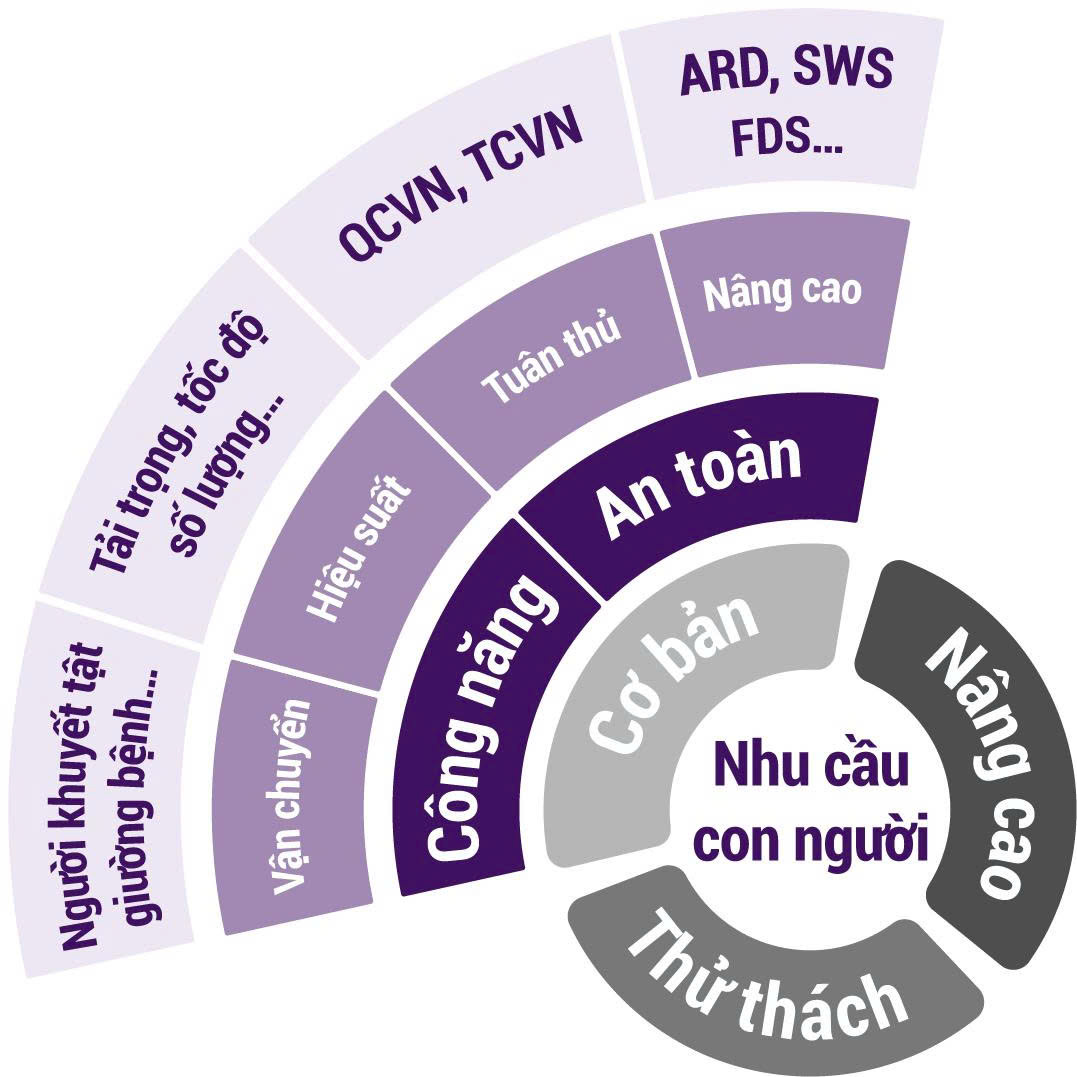
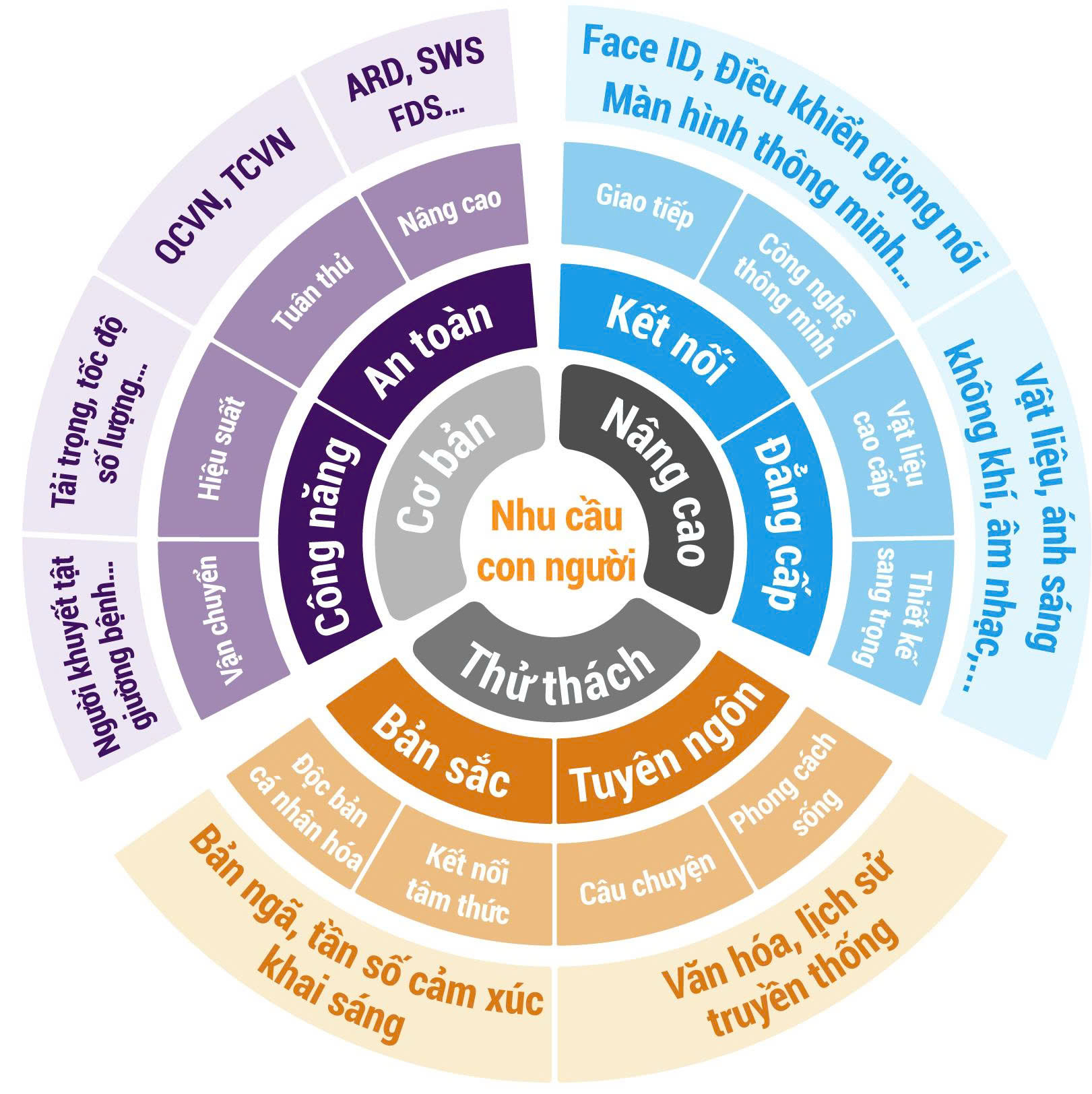
ME – When applying Maslow’s hierarchy of needs to elevator design, it can be divided into three levels: (1) Basic needs – fulfilling physiological and safety requirements; (2) Advanced needs – expressing social connection, status, and respect; (3) The highest level – aiming for personalization, where the elevator becomes an expression of identity for an the individual, organization, or a building.
“It is quite true that man lives by bread alone — when there is no bread. But what happens to man’s desires when there is plenty of bread and when his belly is chronically filled?– Abraham Maslow, from A Theory of Human Motivation.“
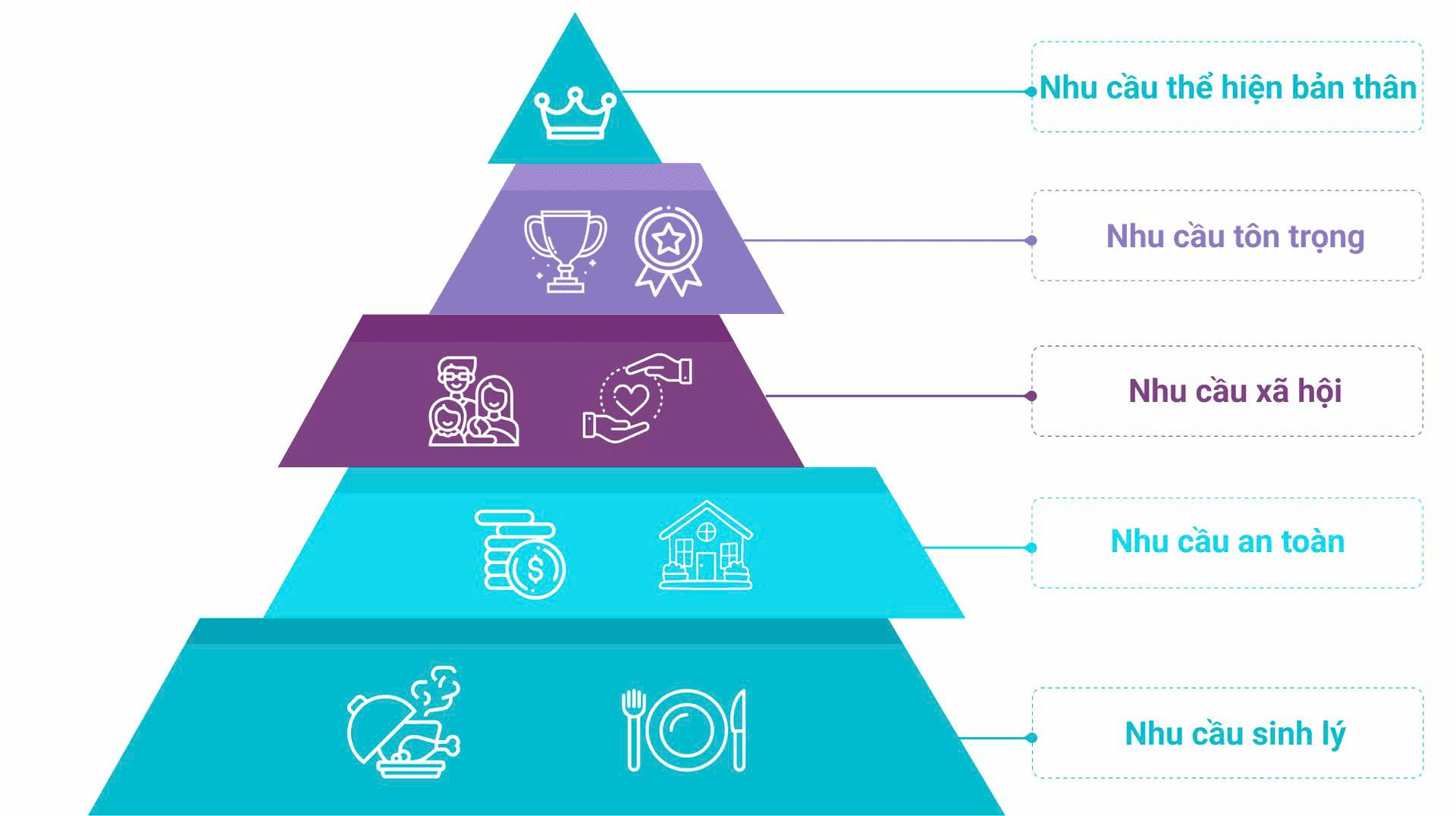
The Hierarchy of Needs is a foundational theory developed by psychologist Abraham Maslow, first published in the Psychological Review in 1943 through his article. “A Theory of Human Motivation”. The theory proposes five core categories of human needs as the basis for human motivation and behavioral evolution. Thanks to its universality and depth, this model quickly became a widely applied framework across many fields, from psychology, management, economics, to sociology and architecture.
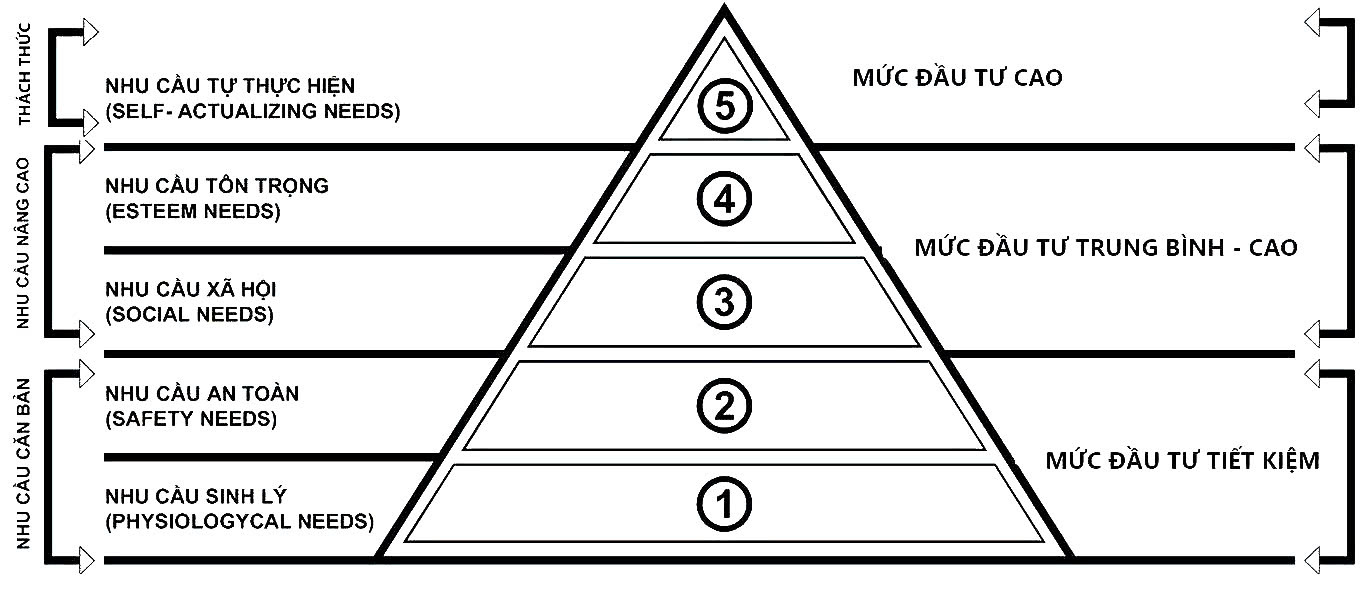
The five of Maslow’s Hierarchy of Needs can be grouped into three main stages of development:
1.Basic Needs (Deficiency Needs):
This category comprises the two foundational levels—Physiological Needs and Safety Needs—which collectively constitute the primary prerequisites for human survival and systemic stability
2. Advanced Needs:
Once basic needs are satisfied, human motivation shifts toward more elevated aspirations associated with intellectual and spiritual advancement
3. Challenging Needs:
Situated at the apex of the hierarchy, these needs arise from the intrinsic desire to extend beyond one’s current self. They correspond to self-actualization, where individuals fulfill their potential and derive meaning through endeavors such as learning, exploring, and creating. As such, this highest tier is defined by challenge, self-challenge, and self-transcendence
Analogously, in the context of elevator design, Maslow’s framework may be restructured into three tiers: Basic needs (physiological, and safety); Advanced needs (social connection, status expression and respect); and the highest level is personalization (connection to one’s essence, a “statement,” and the identity of an individual, organization, or building). This evolution signifies a transition from technical determinism to emotional expressiveness
Where Function Meets Safety /Fulfilling Functional Requirements and Ensuring Safety
At the two foundational levels of the hierarchy, elevators are required to fulfill their core mission: ensuring reliable and safe transport. Physiological Needs: The Transportation Function At the base of the hierarchy, elevators must effectively fulfill their fundamental transport function, defined by technical parameters such as rated load, rated speed, and the number of cabs, etc. Elevators must ensure high operational efficiency to maintain the continuous movement of passengers and goods
Depending on the target users, elevators may meet transportation needs for ordinary passengers, wheelchair users, strollers, and specialized requirements such as medical stretchers. Failure to meet these basic transportation requirements directly reduces the building’s circulation efficiency.
2.Safety Needs Safety needs representa critical level in the “elevator hierarchy,” ensuring the system’s integrity and reliability. This need is divided into two main aspects: compliance, safety and advanced safety.
Regarding compliance safety, elevators must achieve absolute operational safety by fully complying with current regulations and standards. Specifically: – Compliance with Regulations and Standards: Design, installation, and maintenance of elevators must follow the requirements of the National Technical Regulations (QCVN) and relevant technical standards to ensure uniformity and safety. – Transparency of origin: All system components must be accompanied by clear Certificates of Origin (C.O.) and Certificates of Quality (C.Q.), ensuring transparency and traceability.
Beyond statutory safety requirements, modern elevators also aim to enhance user safety by protecting both physical health and emotional well-being.
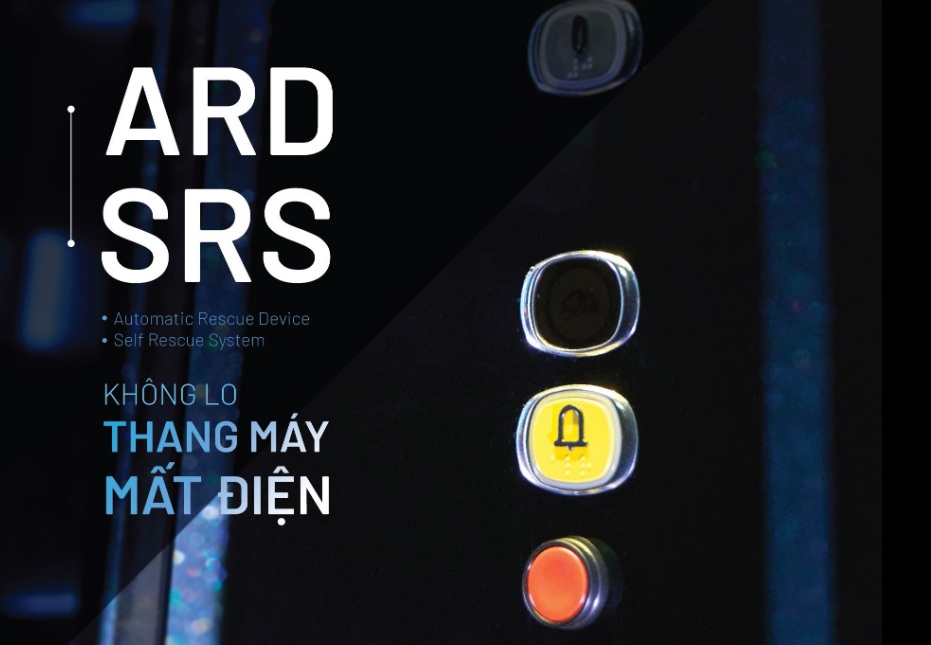
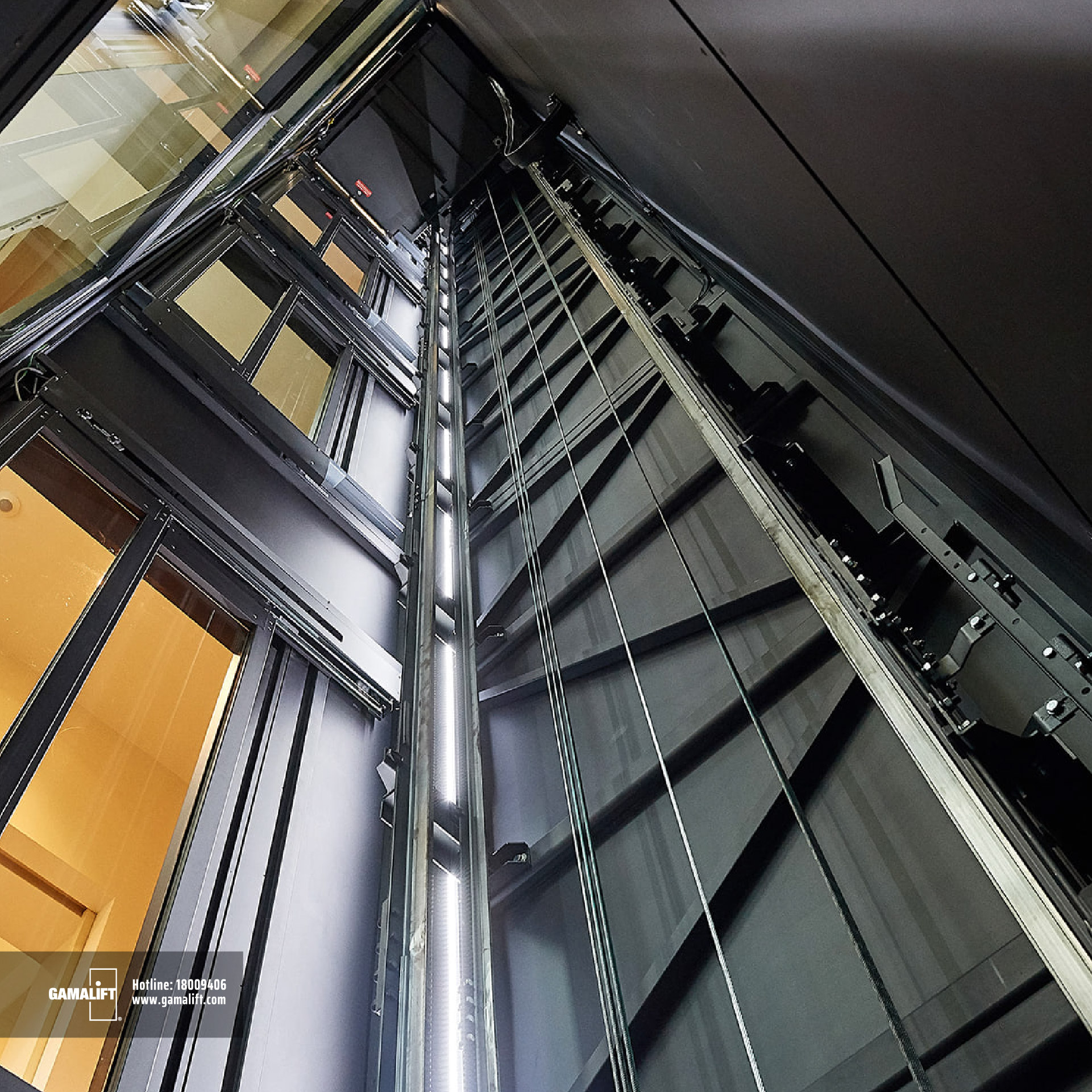
– Advanced safety functions: Beyond the six standard safety devices required by regulations:elevators can be equipped with advanced technologies such as Automatic Rescue Devices (ARD), Stroke Warning System (SWS), Flood Detection Sensors (FDS), along with other smart emergency support features. – Emotional well-being: Elevators should maintain high operational stability, minimize technical malfunctions, noise, and vibration to provide a smooth, comfortable, and reassuring experience for passengers throughout the journey.
Việc ứng dụng các công nghệ hiện đại vào thang máy giúp gia tăng độ tin cậy, an toàn của thang máy
Group 2: Advanced needs - communication and identity positioning
Once safety and comfort are secured, individuals naturally progress toward seeking social interaction and acknowledgment within their surroundings. At this stage, the elevator becomes an integral element of both architectural and brand experience
3. Connection Needs In Vietnam, despite rapid urbanization and a rapidly expanding skyline, most elevators still adhere to a basic functional design. Plain, single-tone stainless-steel cabs, lacking distinctive materials or patterned elements, render the. This represents a significant underutilization of valuable architectural space
Nhiều dự án lắp đặt thang máy vẫn chưa chú trọng đầy đủ đến yếu tố gia tăng trải nghiệm của người dùng
When elevator design reaches the third level of the “hierarchy,” this space is no longer merely a transportation tool, but a space for connection and experience. Subtle design elements like gentle music, soft lighting, or artwork on cab walls can erase feelings of isolation. Elevators become more friendly, providing comfort and encouraging interaction between people and surrounding space.
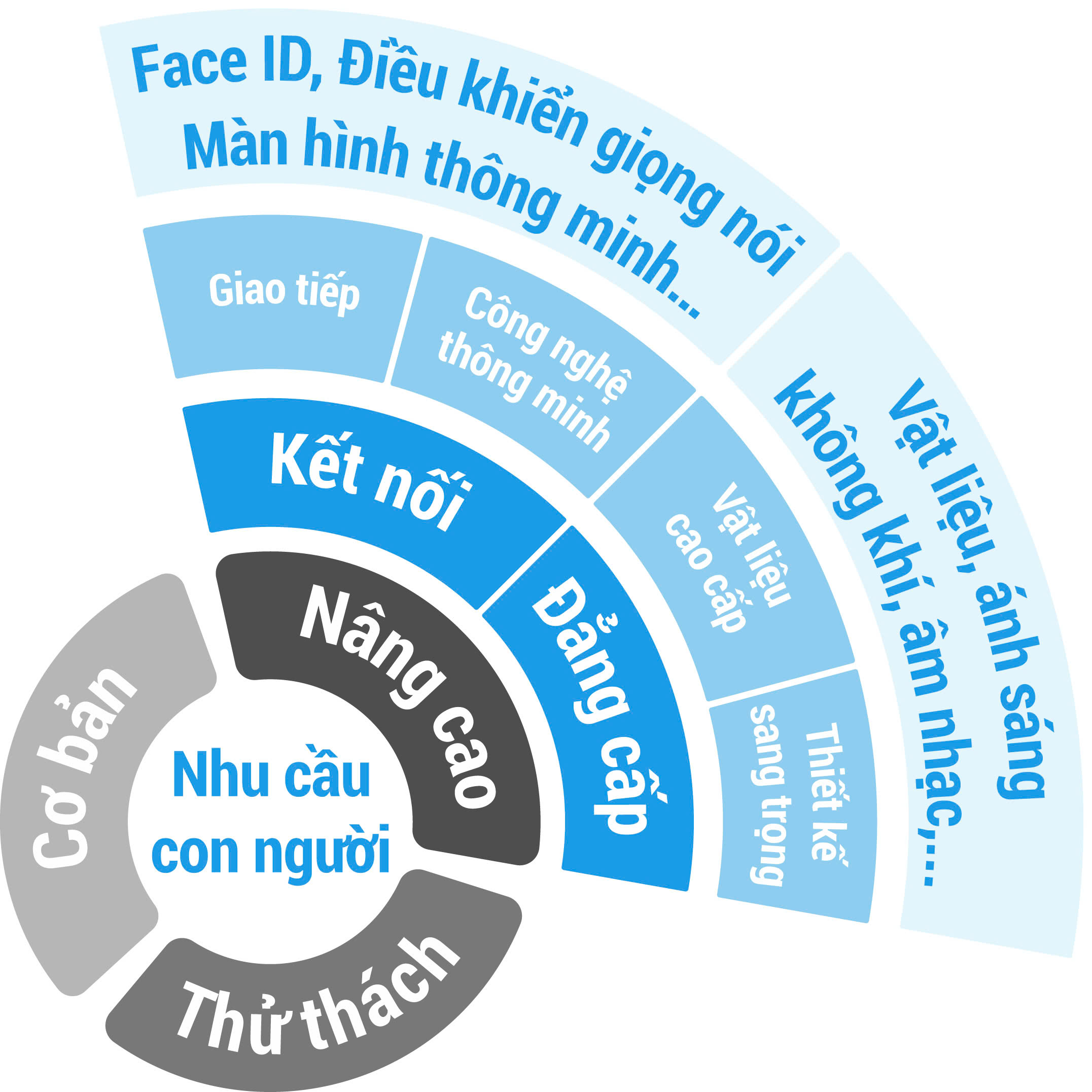
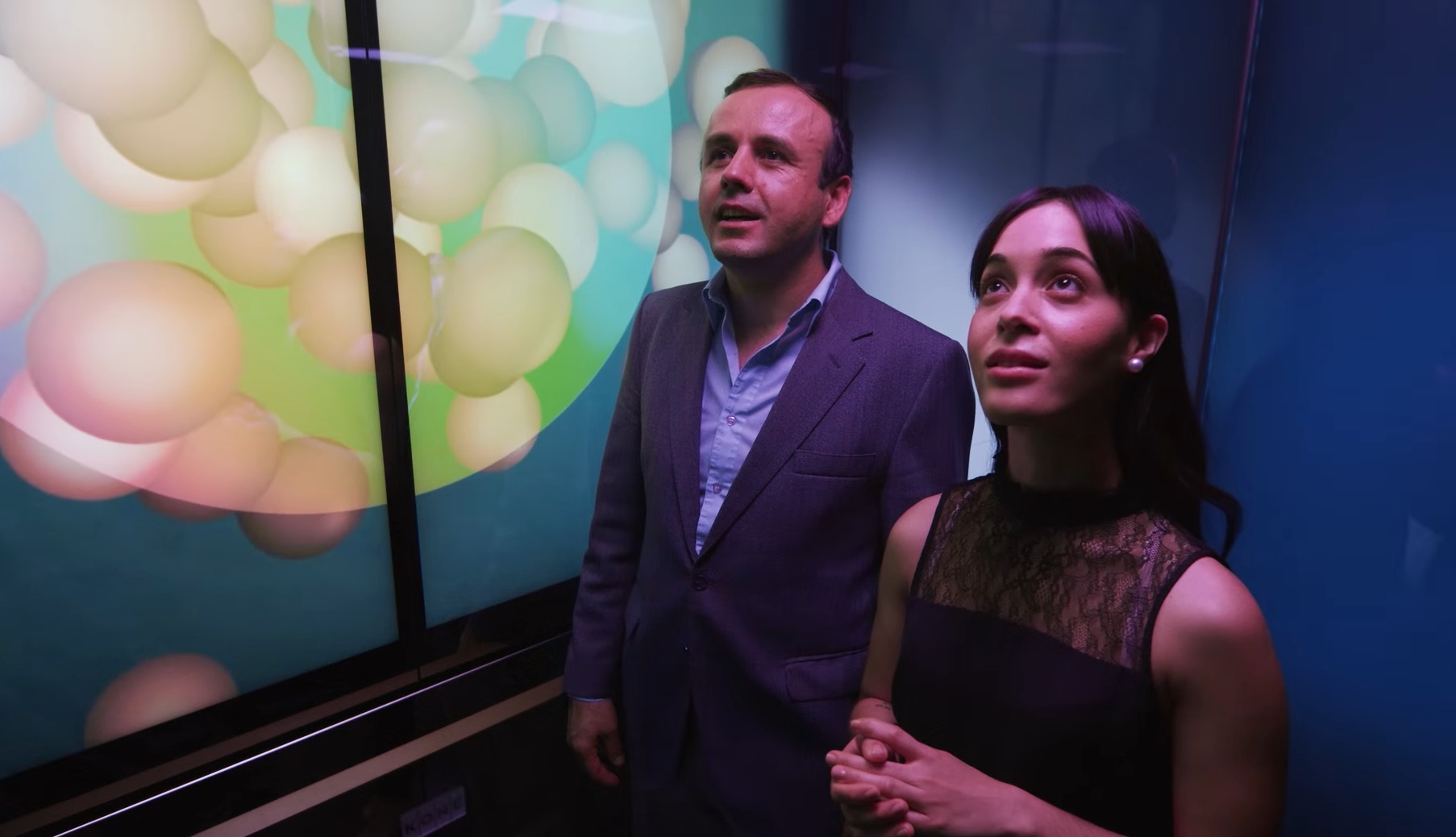
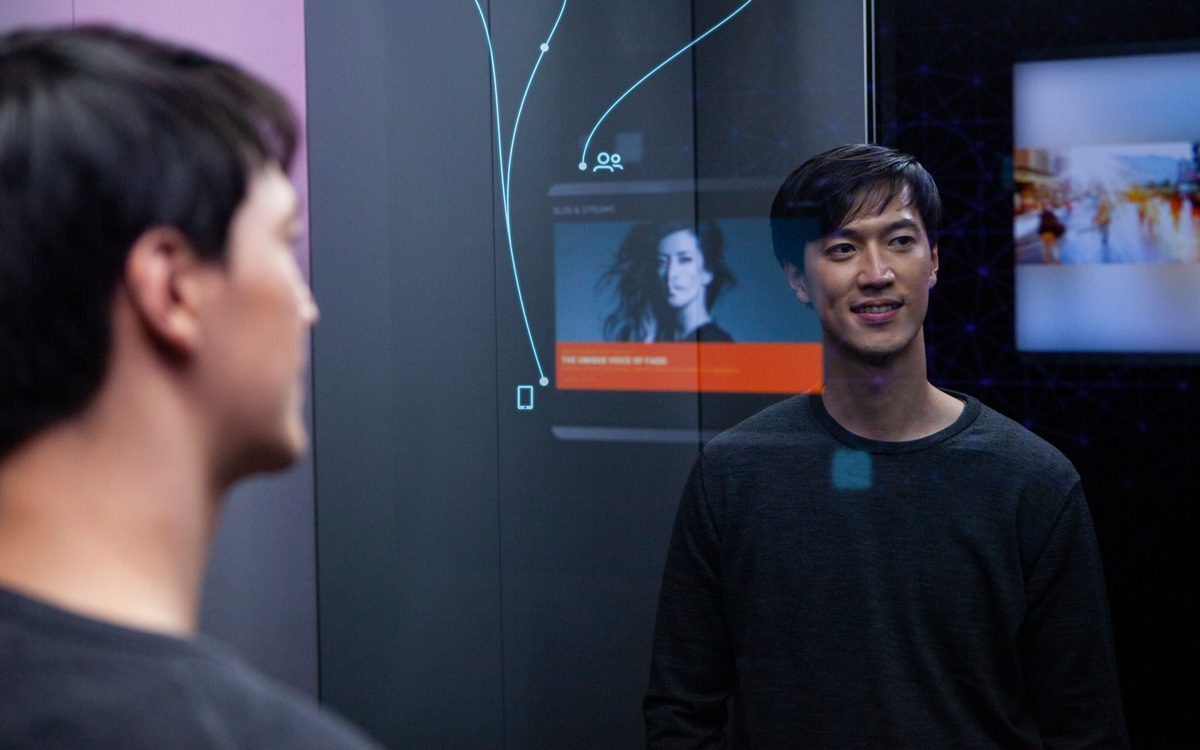
The emergence of interactive technologies – such as voice control, Face ID, or screens displaying weather and events – not only increases utility but also helps passengers feel “connected” to the outside world even during a short ride. Thus, elevator journeys are no longer dull or awkward pauses, but moments of engagement between humans, technology, and space.
Instead of a dull and uncomfortable ride, interactive digital technologies—such as facial recognition, voice interaction, personalized music playback, and dynamic information displays—help create a more engaging, comfortable, and connected experience for users in every trip
4. Status Needs
Beyond connection needs is the desire to assert one’s position and be respected. At this fourth level, elevators fully break away from a purely functional role to become a visual symbol of value and power.
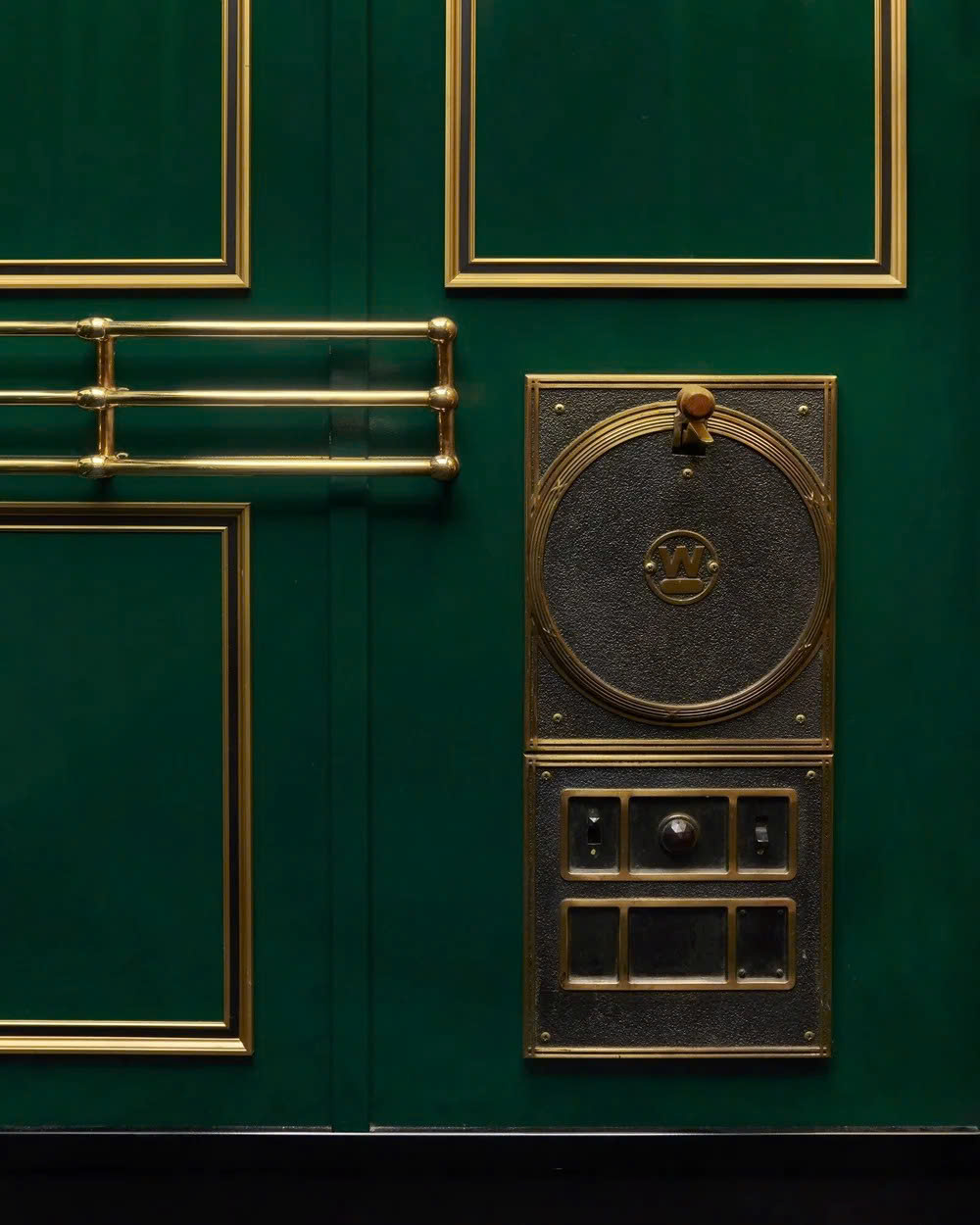
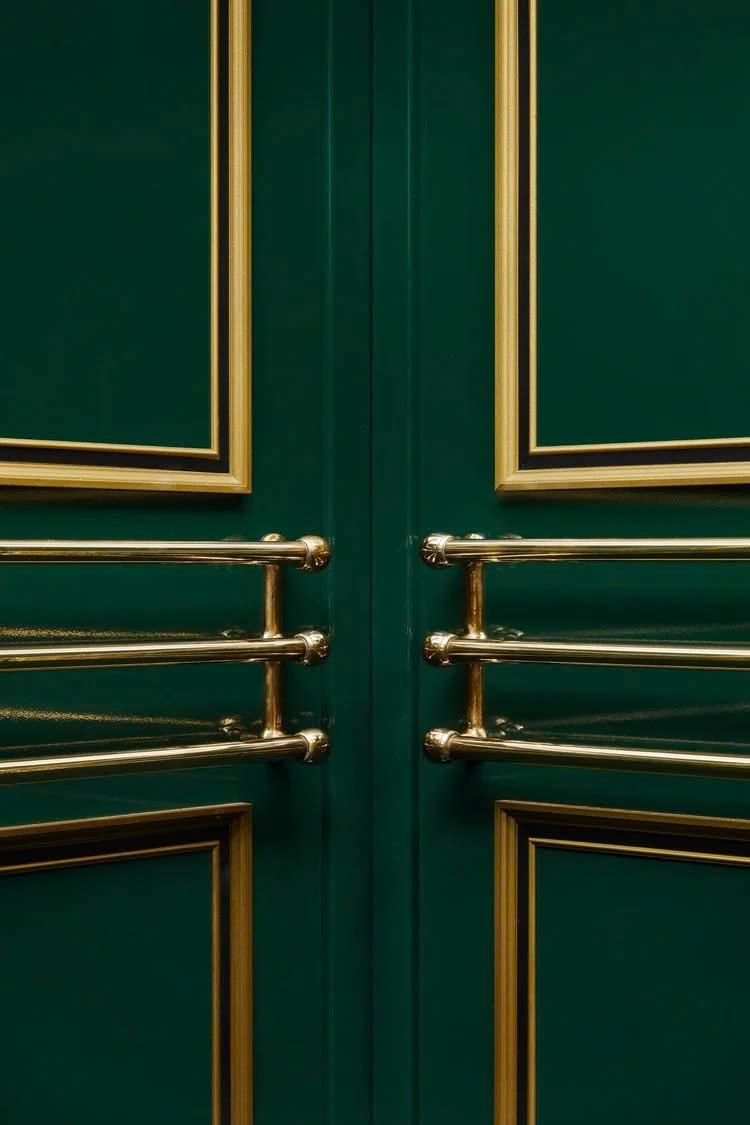
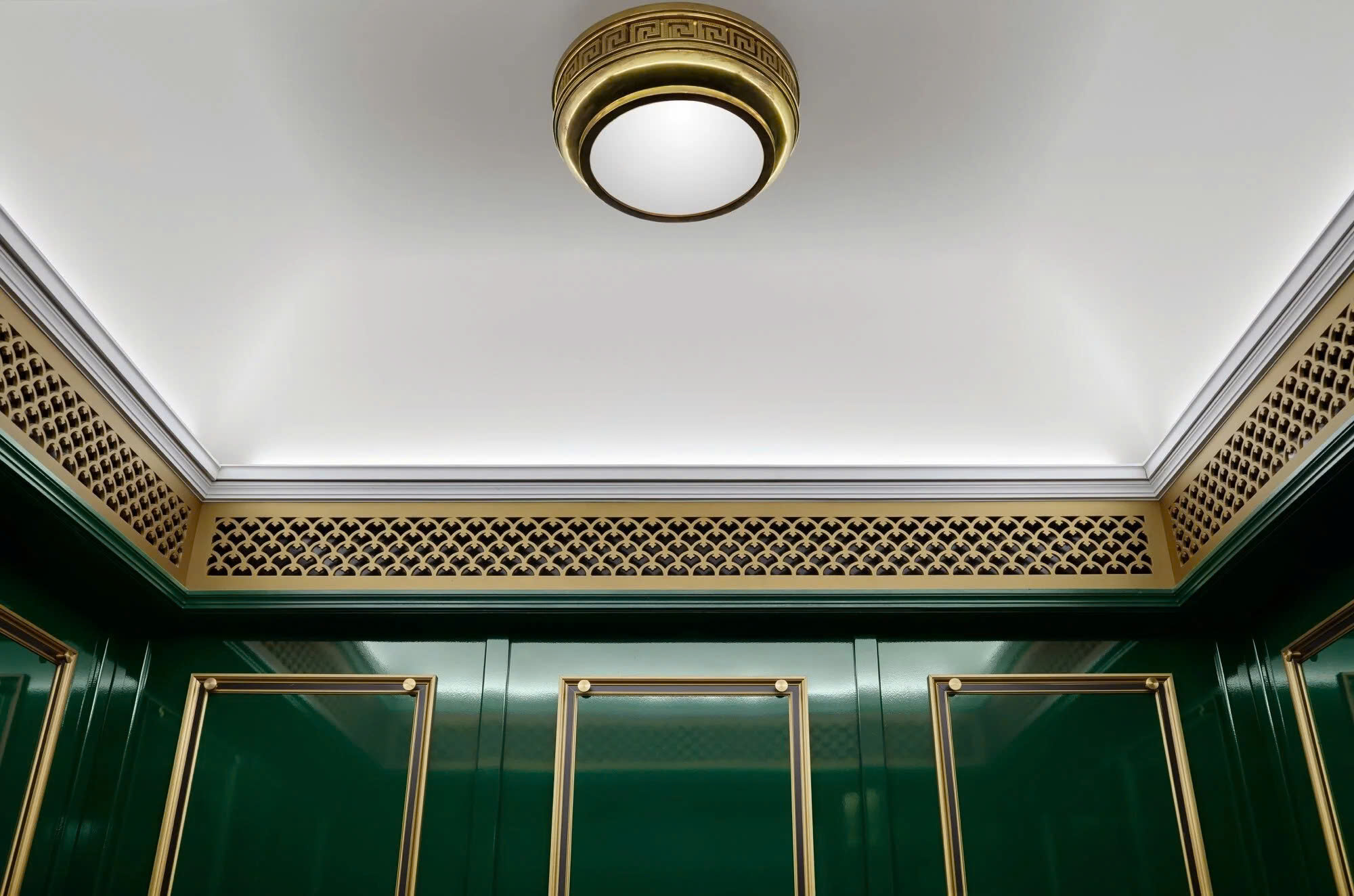
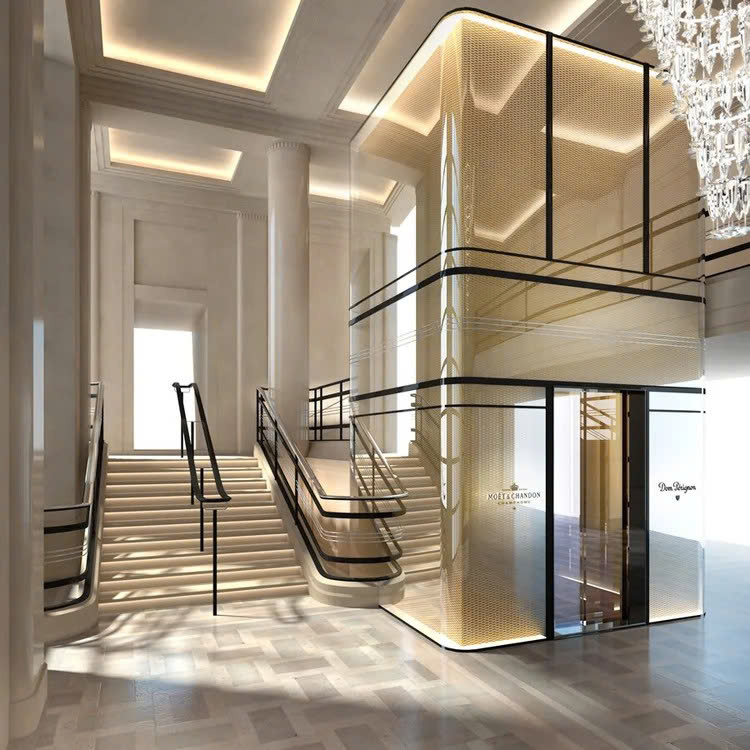
In this space, every design detail carries its own language: premium materials, subtle lighting, curated sound, gentle airflow—all combine to create a luxurious and distinctive experience. From the elevator lobby to the cab interior, each line, each color is intentional, reflecting the investor’s brand, architectural stature, and owner’s level.
For example, in many green buildings, elevators meeting sustainability standards become statements of responsibility, with aesthetic value tied to energy-saving and eco-friendly technology.
The moment guests enter an elevator, they not only move between floors but also perceive status and prestige. It is a silent dialogue between owner and user—where the elevator elevates both spatial height and personal pride.
Nếu dựa theo phân loại theo mức đầu tư, có thể chia thành các nhóm như sau: Nhóm mức đầu tư tiết kiệm, Nhóm mức đầu tư trung bình cao, Nhóm mức đầu tư cao.
Group 3: Challenging needs - statement and identity
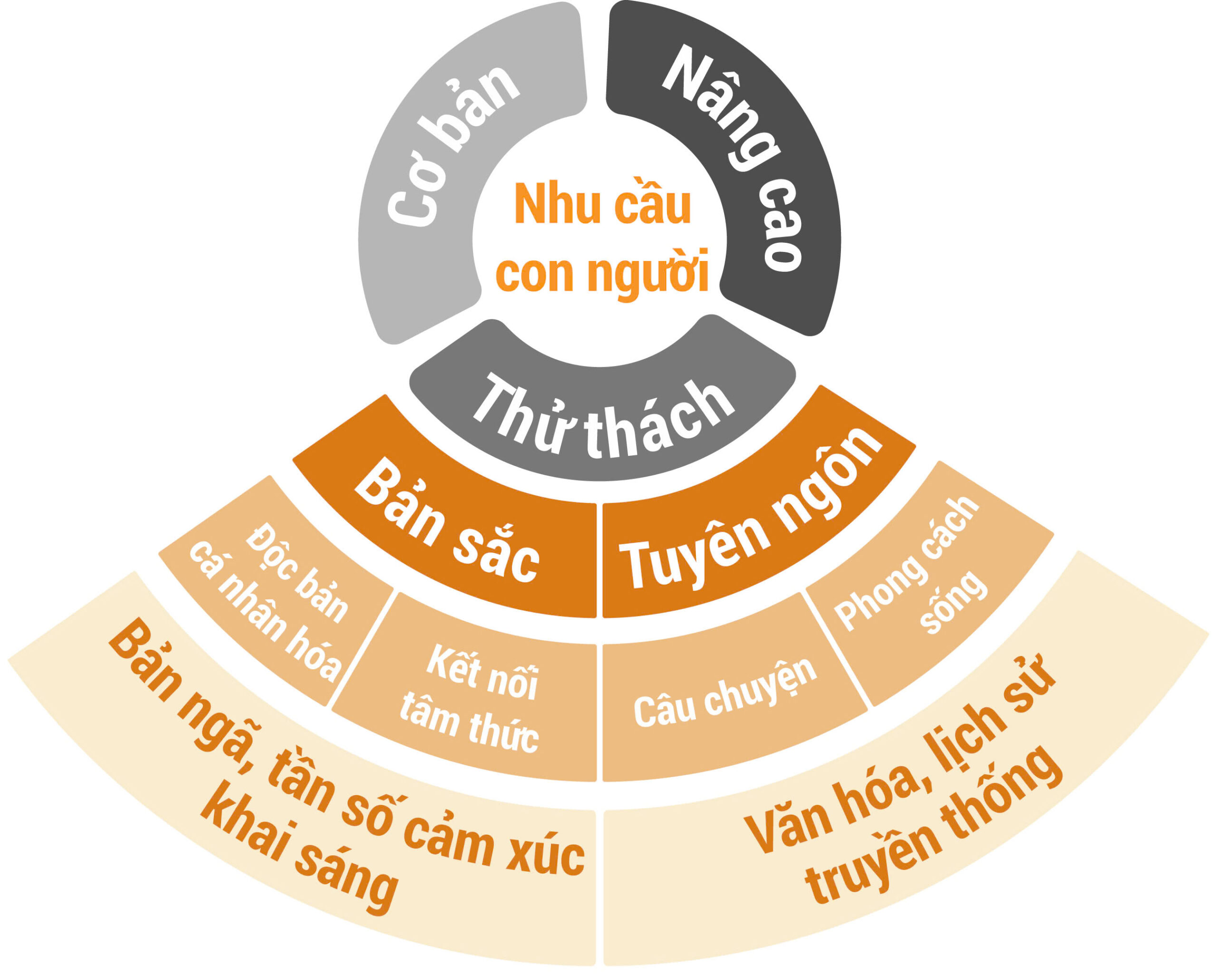
Self-Actualization – Connecting with the Self is the pinnacle in the “hierarchy of needs” for elevator architecture, where humans no longer look outward for recognition or status affirmation, but turn inward—toward wholeness, self-awareness, and harmony with the self.
5. Self – Actualization: Connecting with the Self While at the third and fourth levels, elevators are designed to connect people with the community and seek affirmation of personal status and prestige, at this highest level, elevator architecture aims for a deeper connection—with the self—creating unity between the elevator design and the “statement” of the building and its owner.
At the peak of the hierarchy, elevator design is no longer merely about beauty, luxury, or material opulence, but becomes a meditative space within the architecture of the building. When technology, art, and emotion merge, they create a subtle and profound experience. Each entry into the elevator becomes an inner journey—where light, sound, materials, and colors are arranged not only for aesthetics but to guide emotions, evoke calmness, balance, and unity.
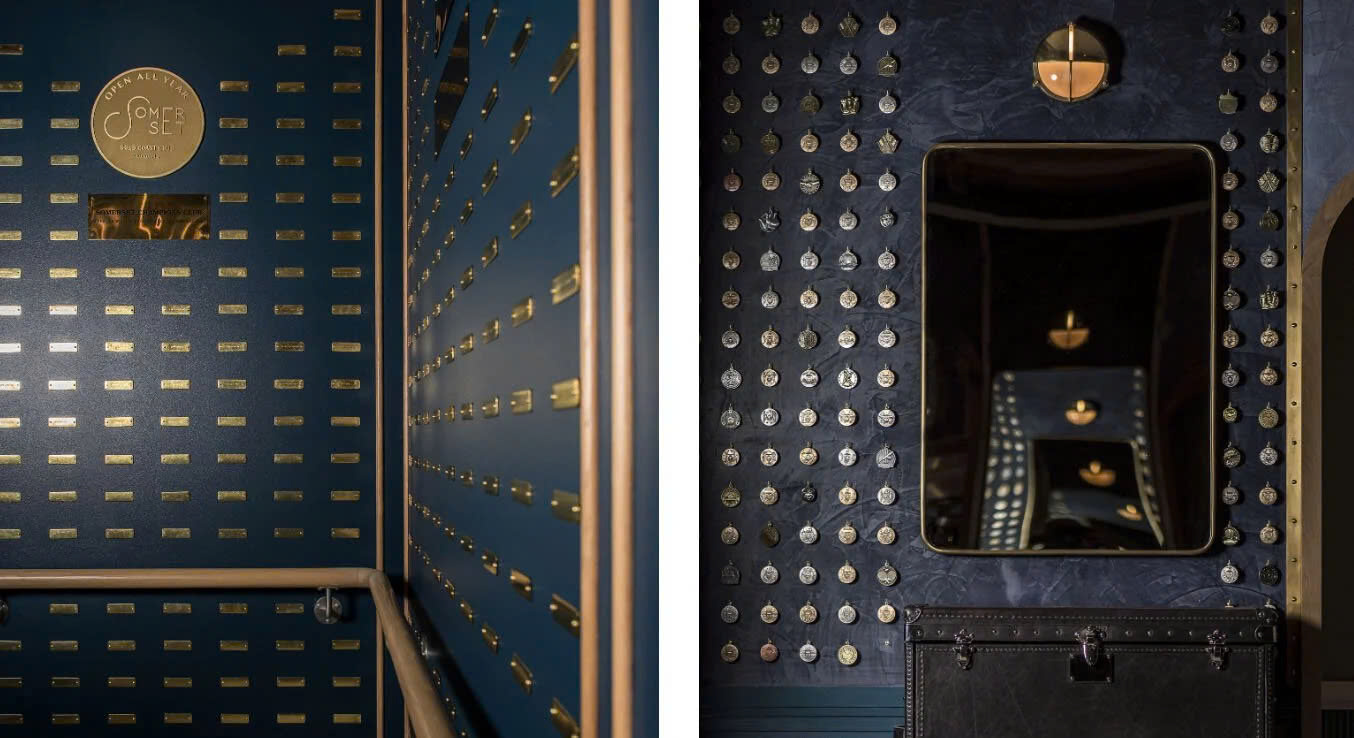
Elevator architecture at this challenging level can reflect family traditions, recount the historical journey of the building, or express the “statement” of a brand. Each design carries its own “emotional frequency,” making the vertical transit space a meeting point between humans, architecture, and time.
At this pinnacle, engineering not only elevates people physically but also uplifts thought and emotion. The elevator becomes a connecting entity—linking the tangible aspects of architecture with the intangible essence of the soul. This exemplifies the miraculous potential of modern architecture: transforming a mere means of vertical transport into a symbol of enlightenment and inner freedom.
However, it must be emphasized that reaching this highest level, as Maslow noted, is achieved by only about two percent of people in a state of self-actualization. Similarly, only a very small number of buildings can reach this level—where the elevator not only serves people but reflects them in a profound relationship with space and the self.
Evaluation framework based on the hierarchy of needs in elevator design
Applying Maslow’s “Hierarchy of Needs” to elevator architecture is not only of theoretical significance but also serves as a basis for developing a comprehensive evaluation framework for building design. Through this model, planners, engineers, and architects can clearly identify the level of needs a project aims to satisfy, thereby establishing appropriate evaluation criteria for each type of building – from residential, hotels, to shopping centers or landmark towers.
This evaluation framework highlights key criteria that should be considered during the design, investment, and client consultation process. However, it is important to emphasize that the levels in the “hierarchy of needs” are not rigid templates. They need to be applied flexibly and adapted to the specifics of each project, with the scope of application expanded or narrowed depending on architectural goals and actual usage requirements.
Content: Đức Minh Reference: Elevator Design Guidelines – VILEA
Some elevator designs - notable projects
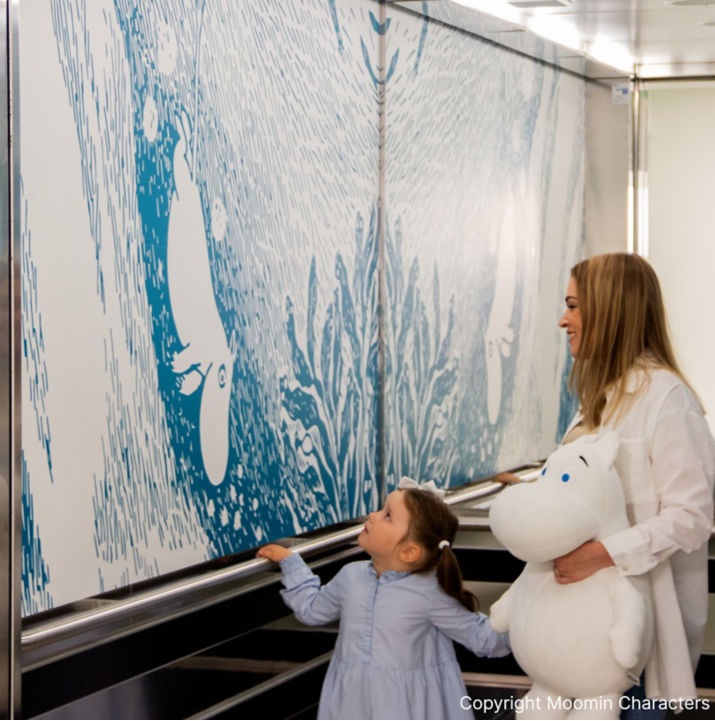
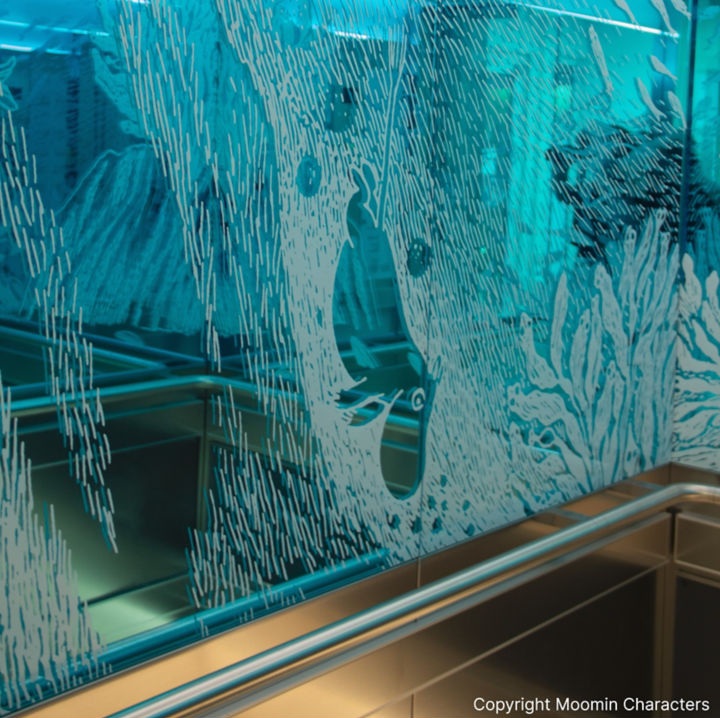
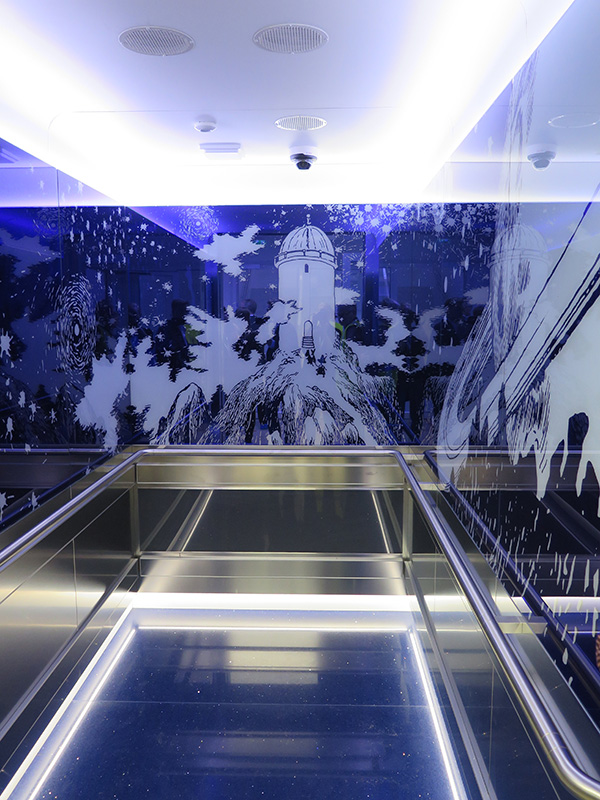
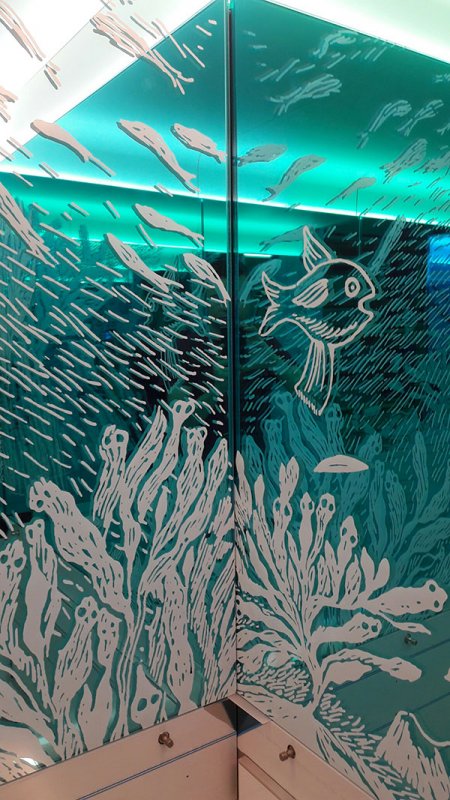
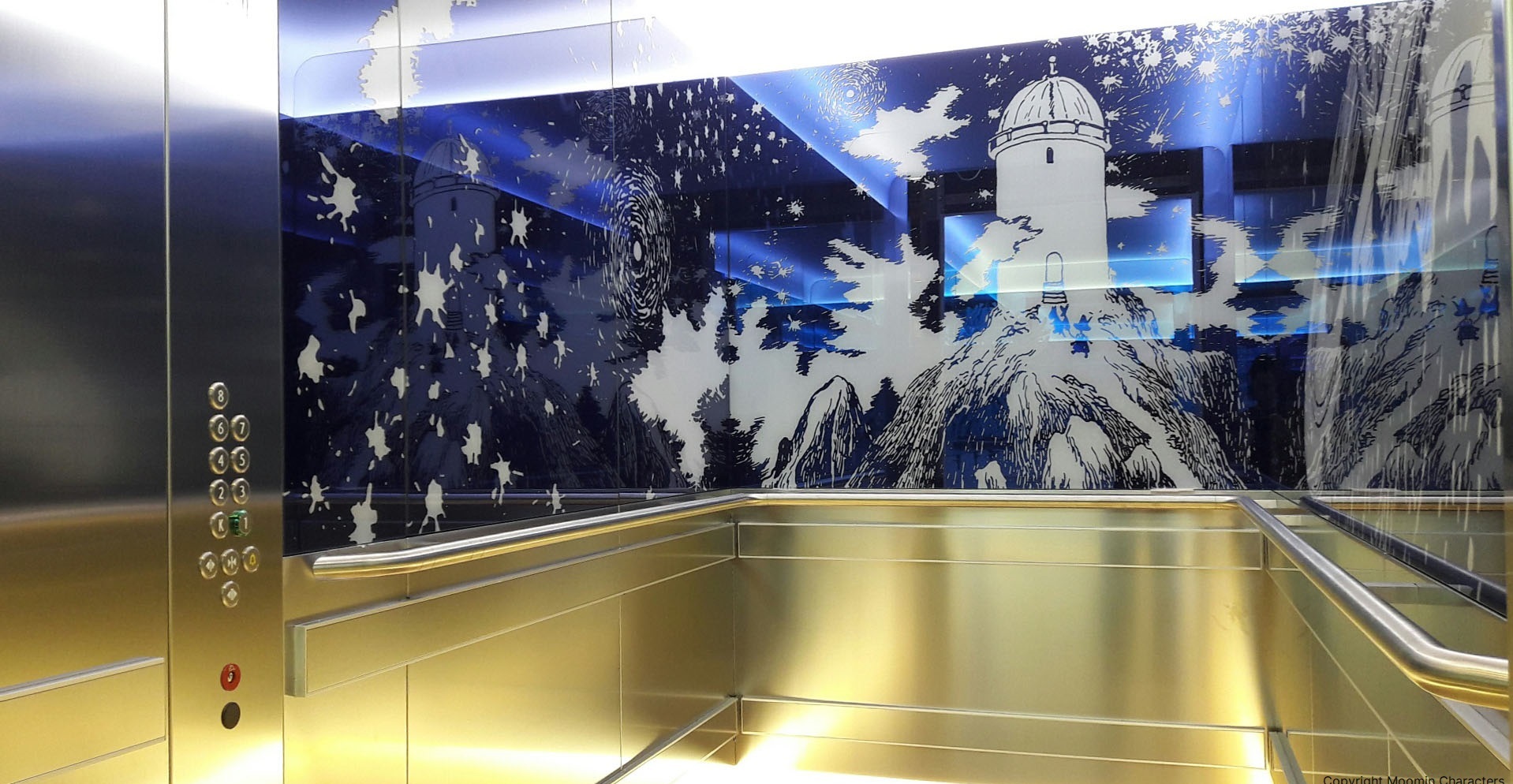
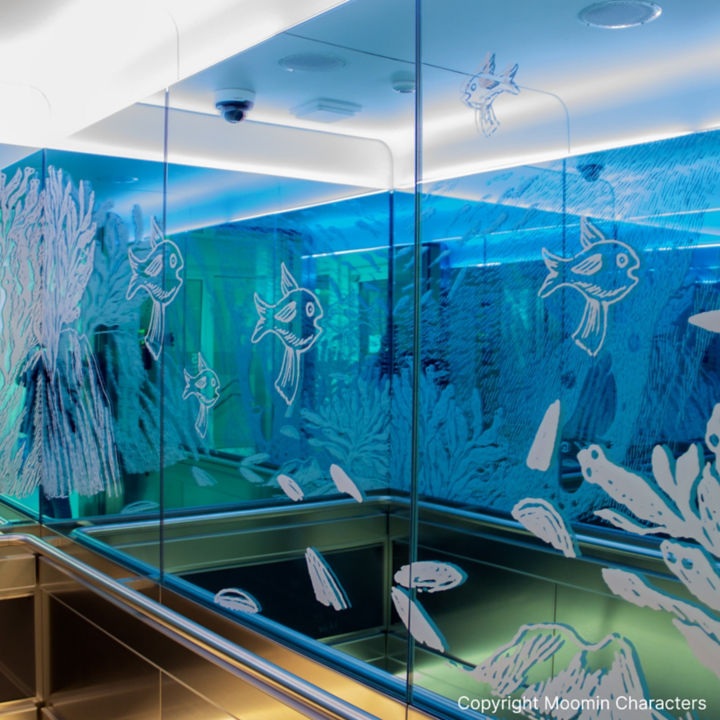
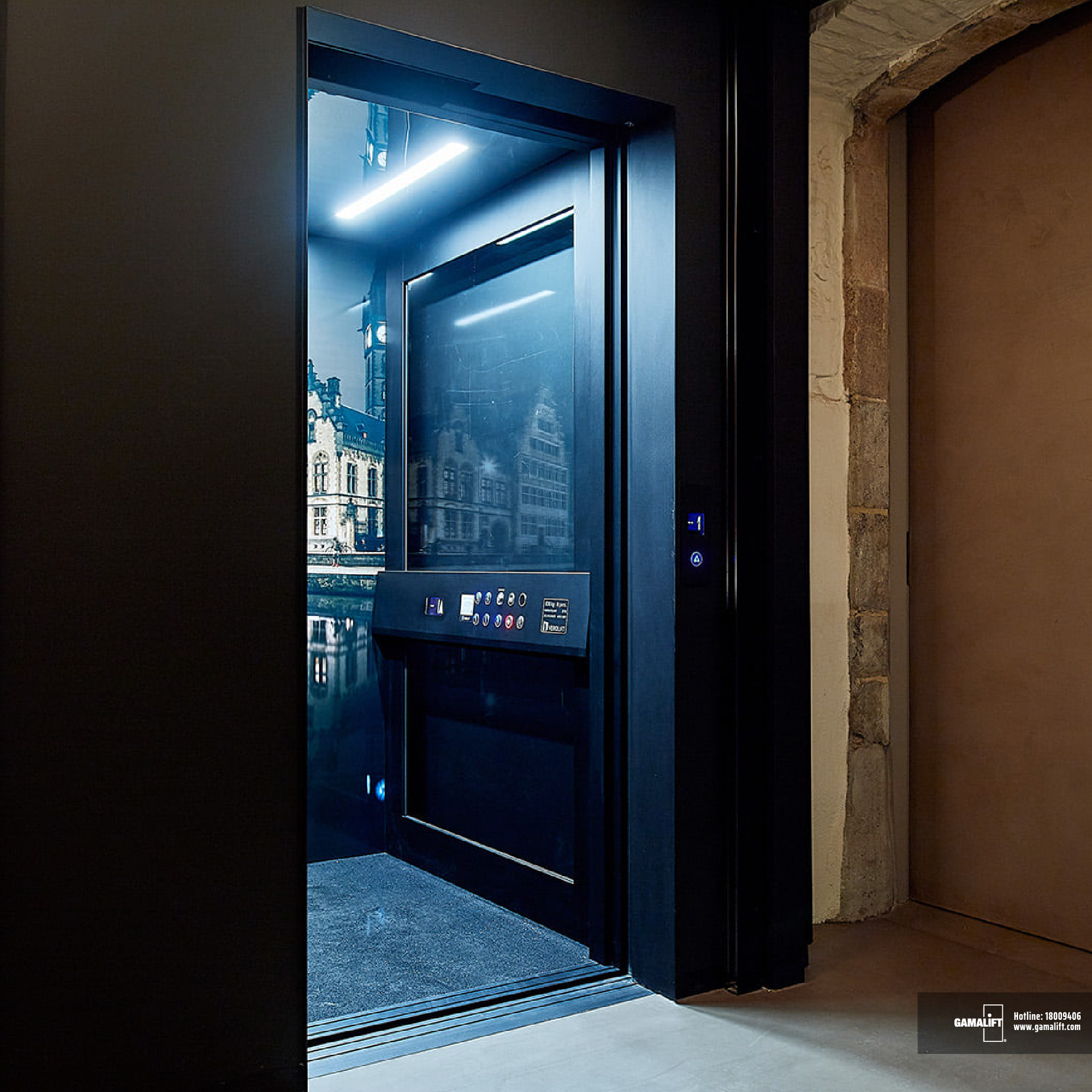
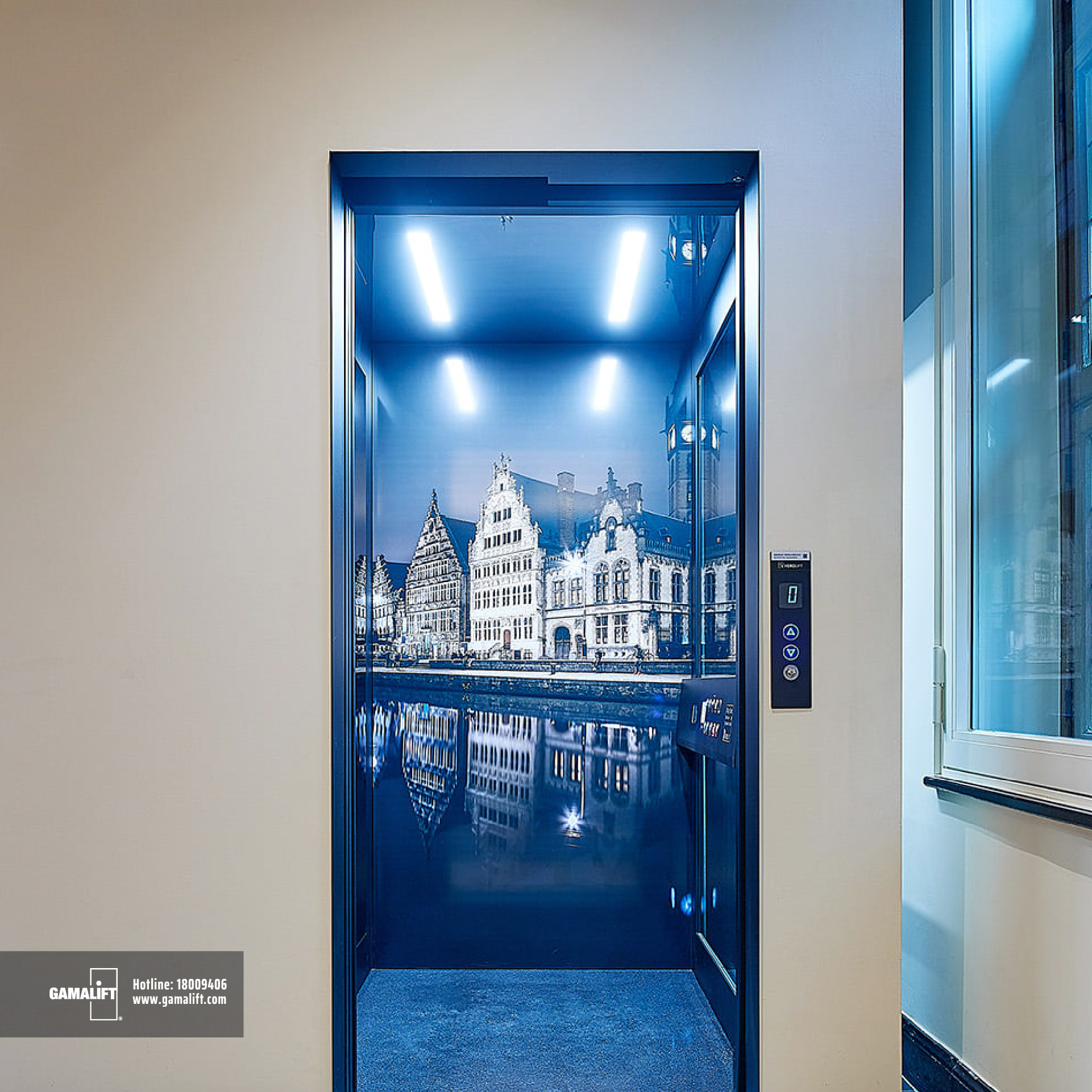
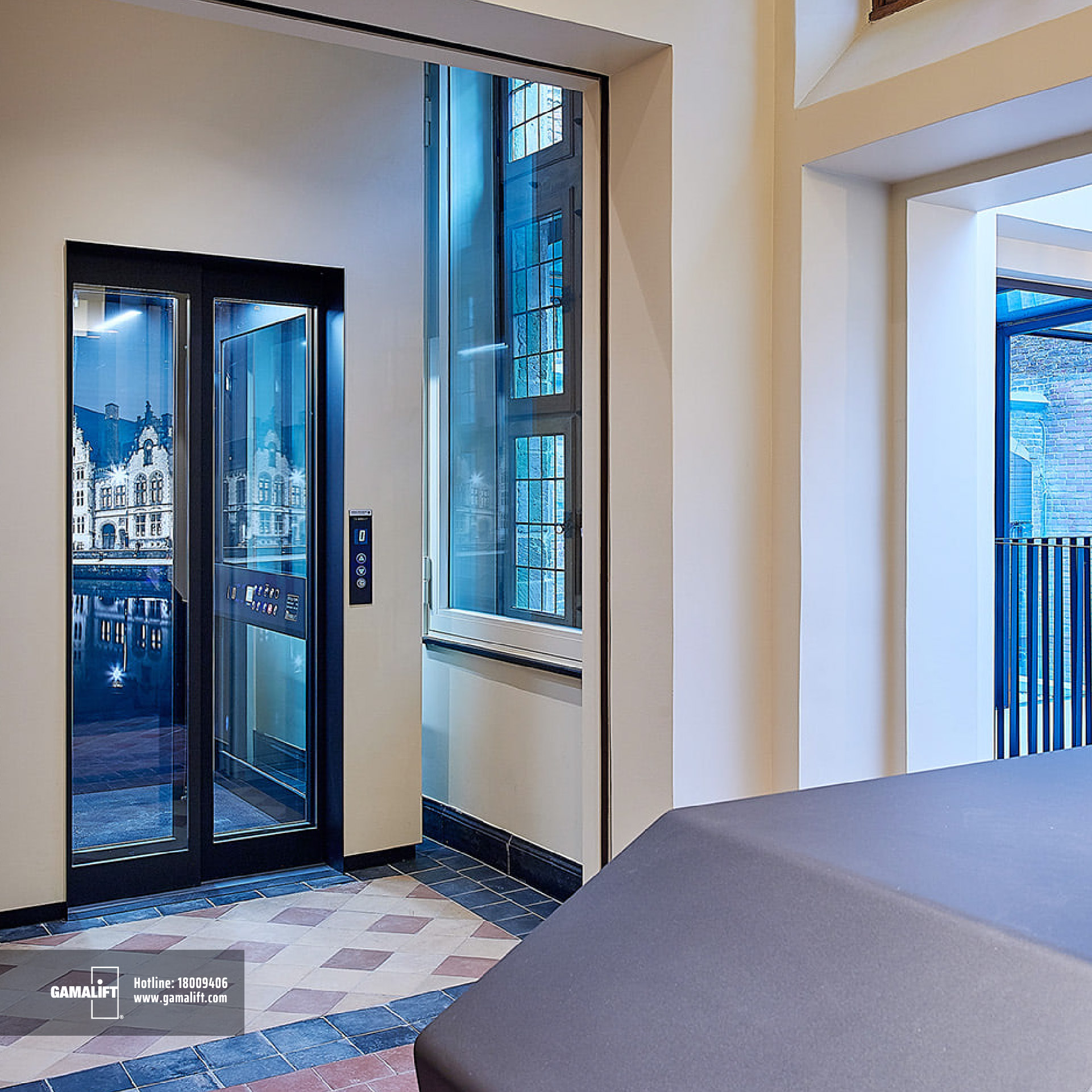
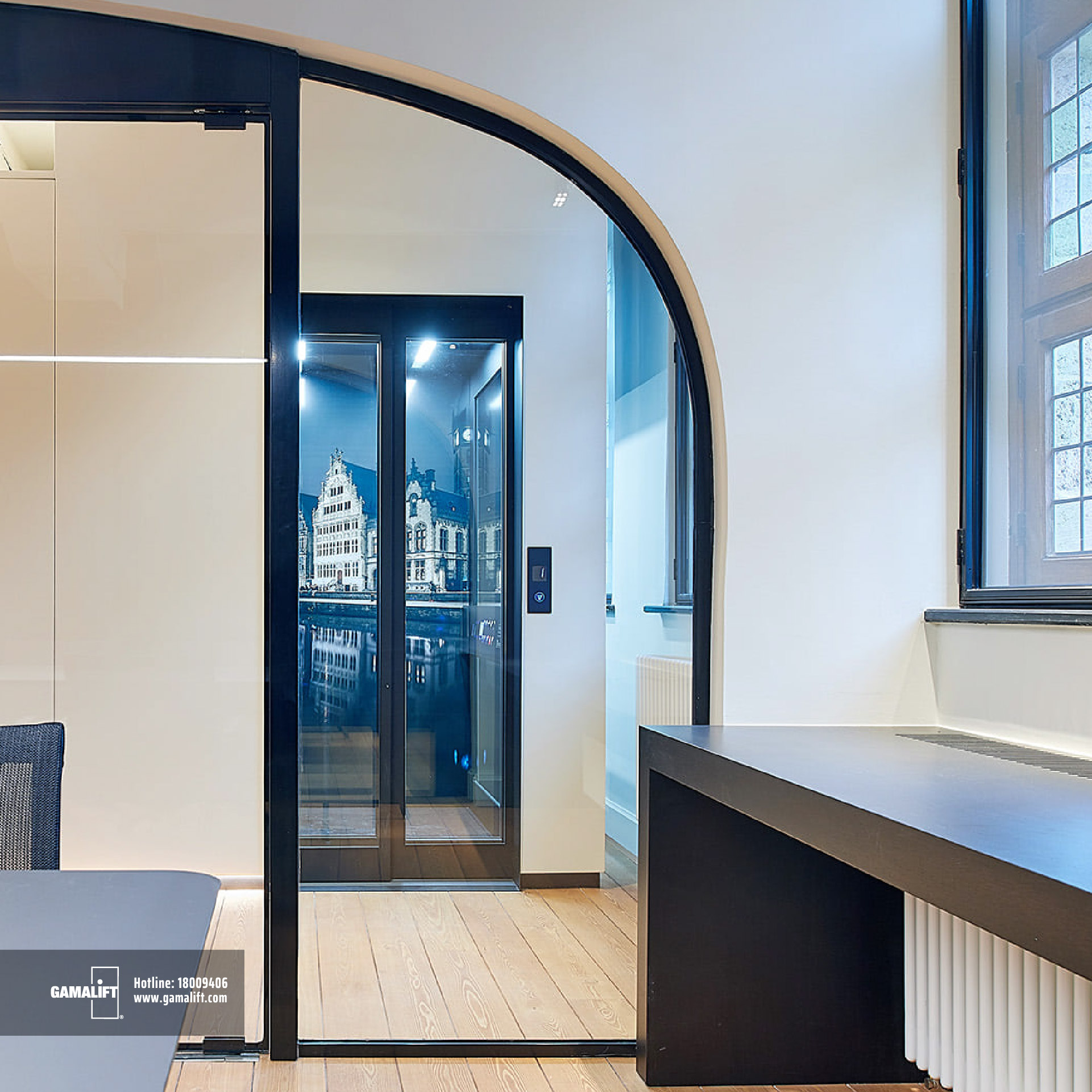
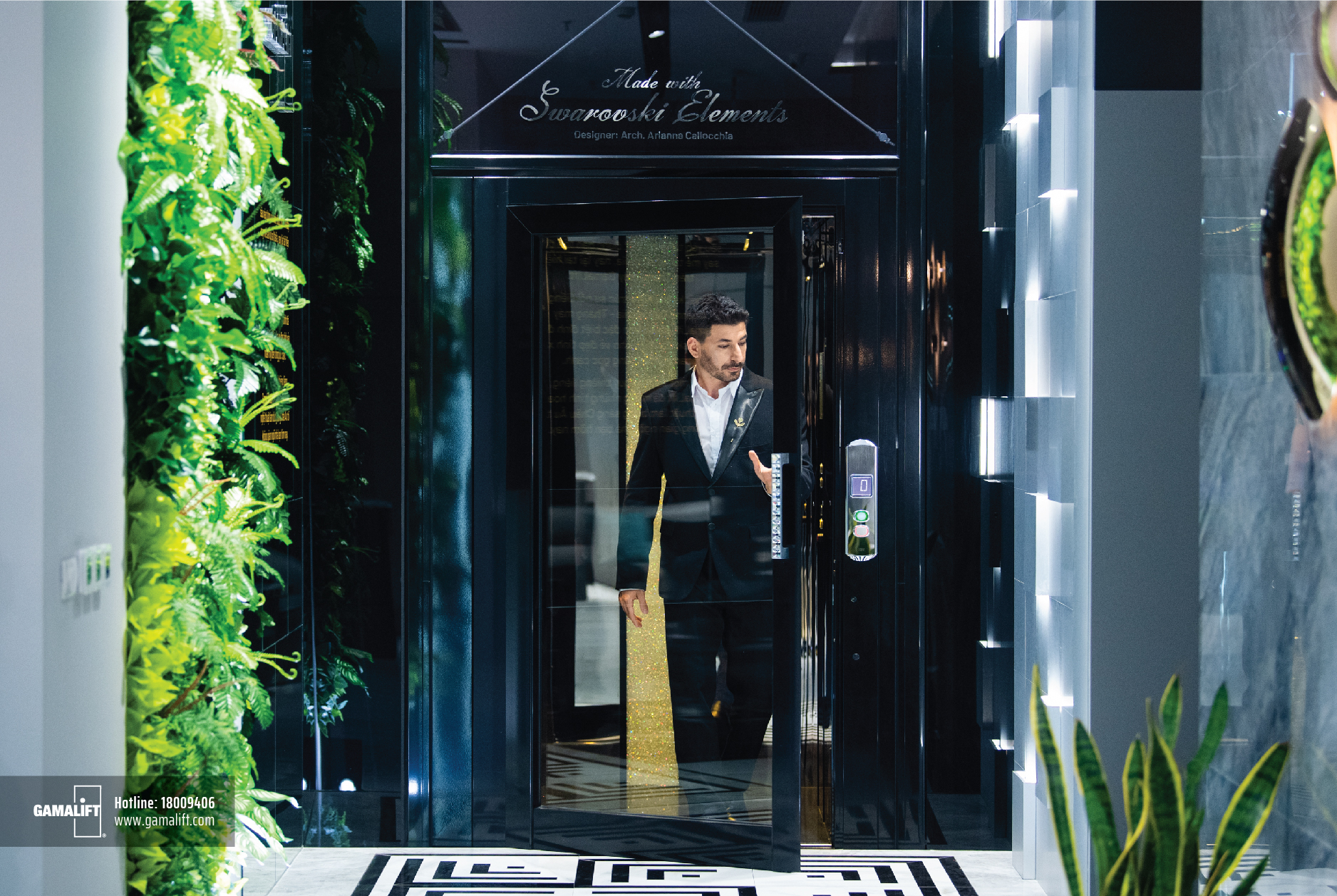
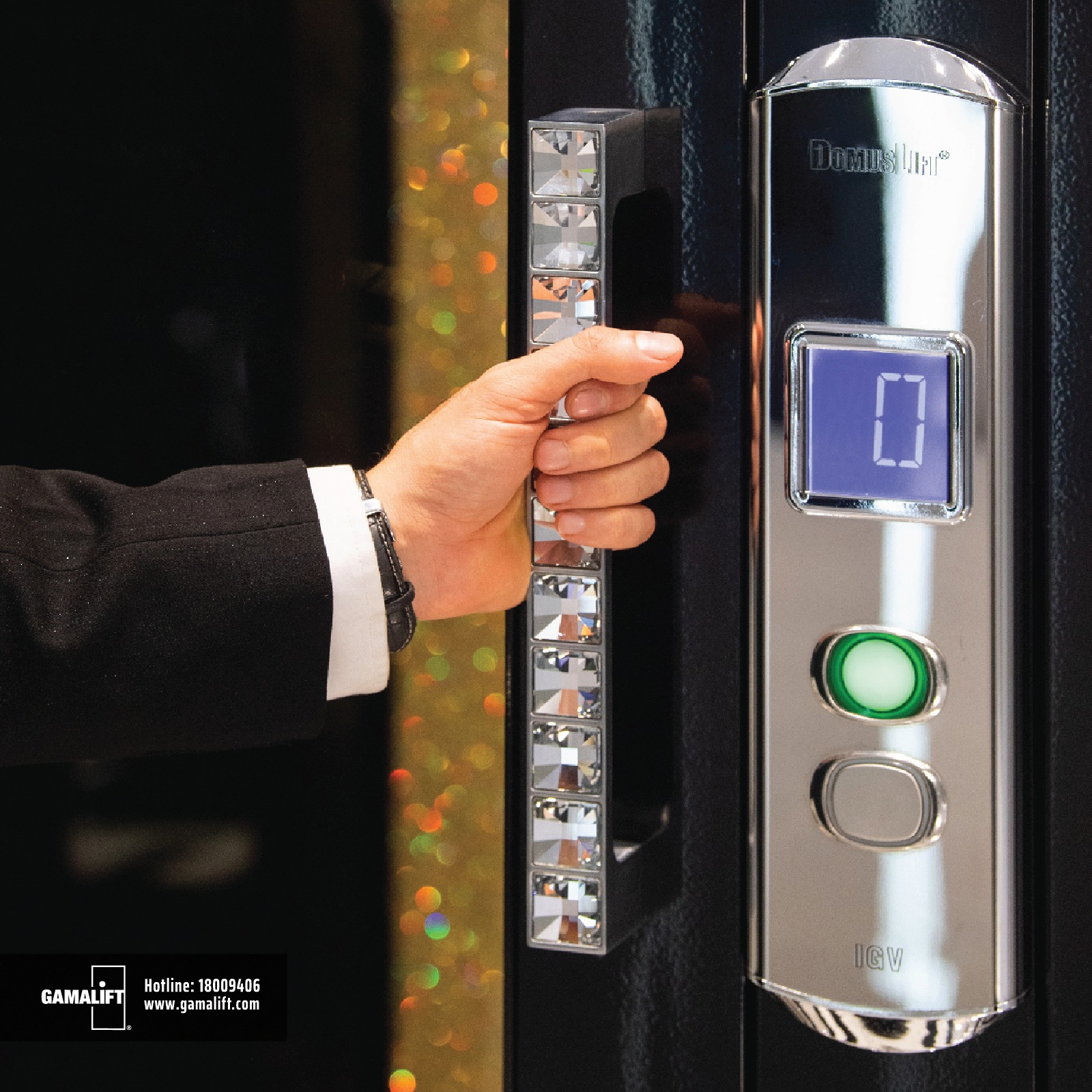
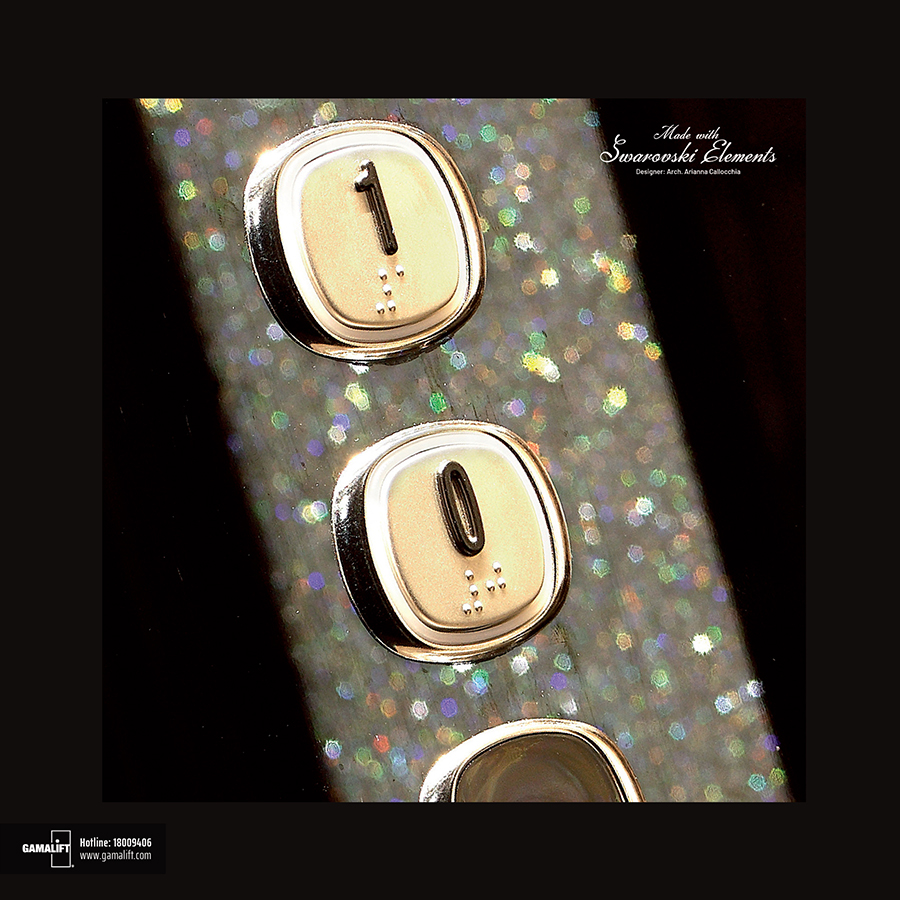
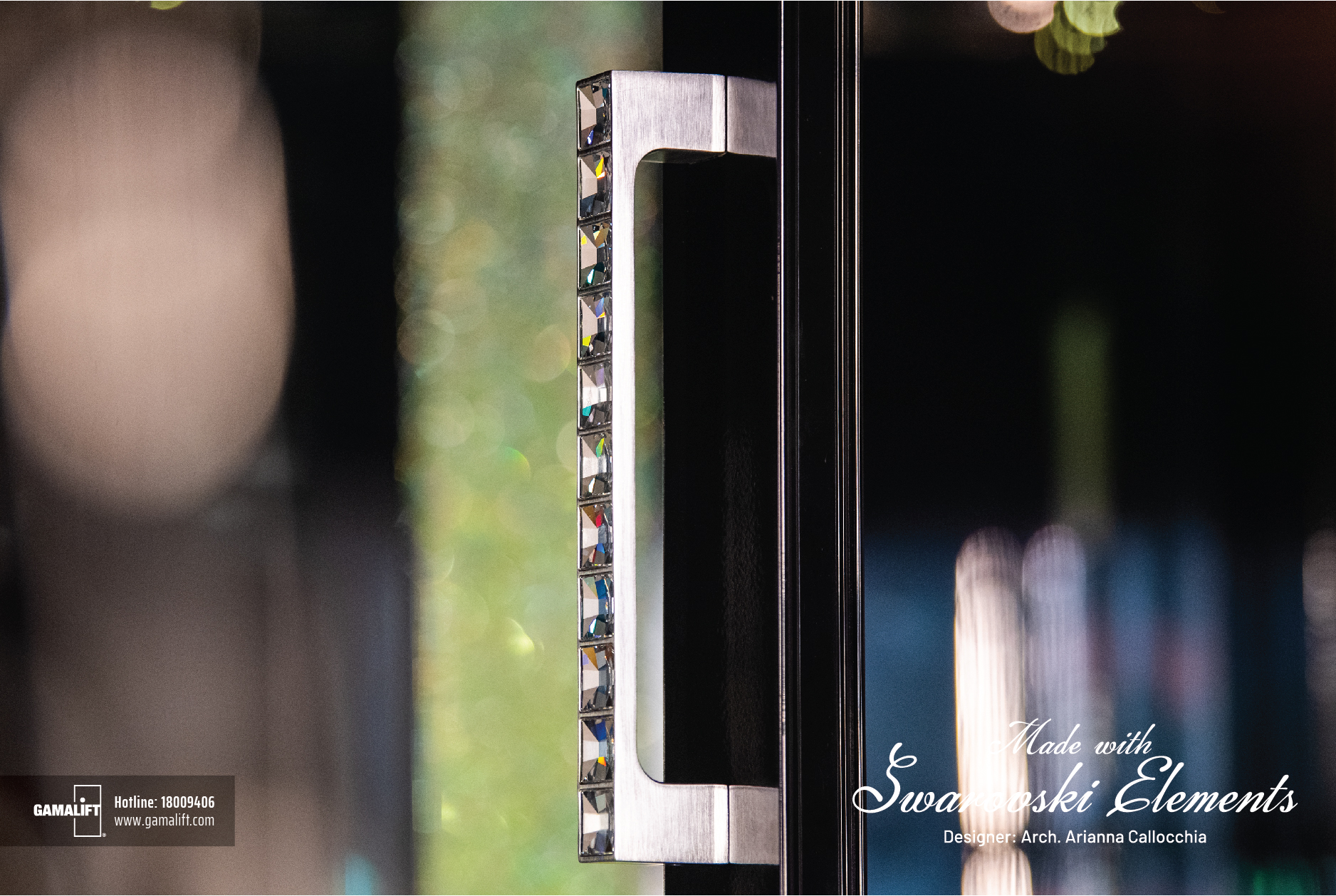
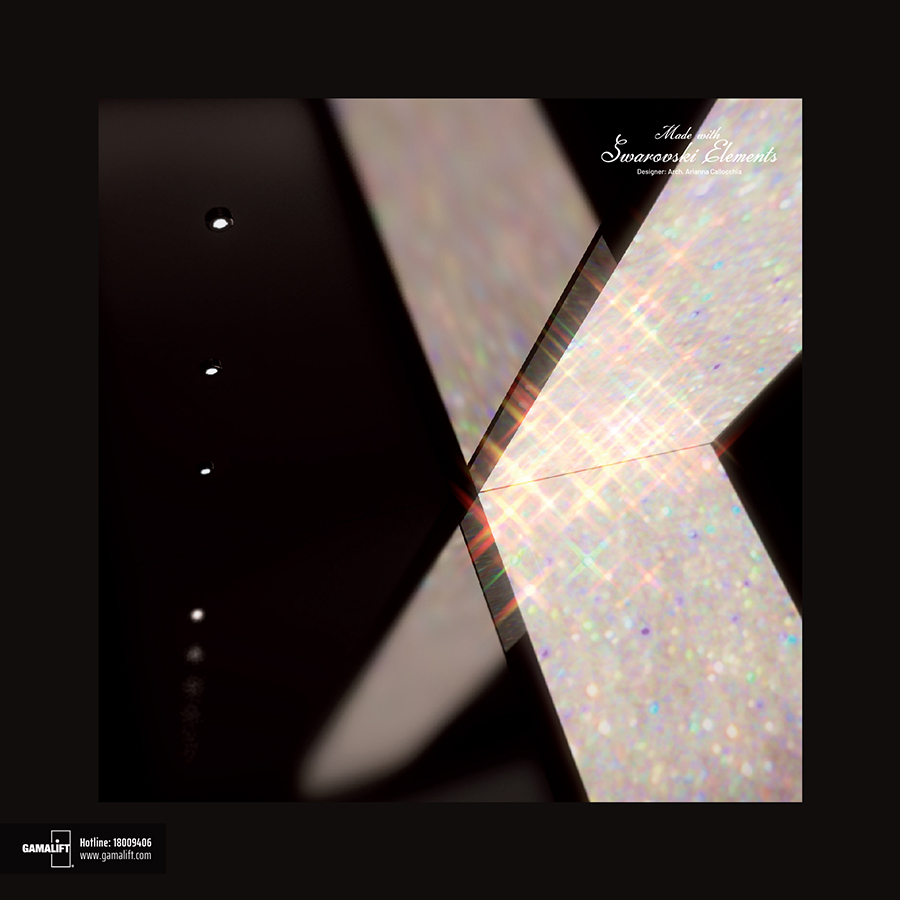
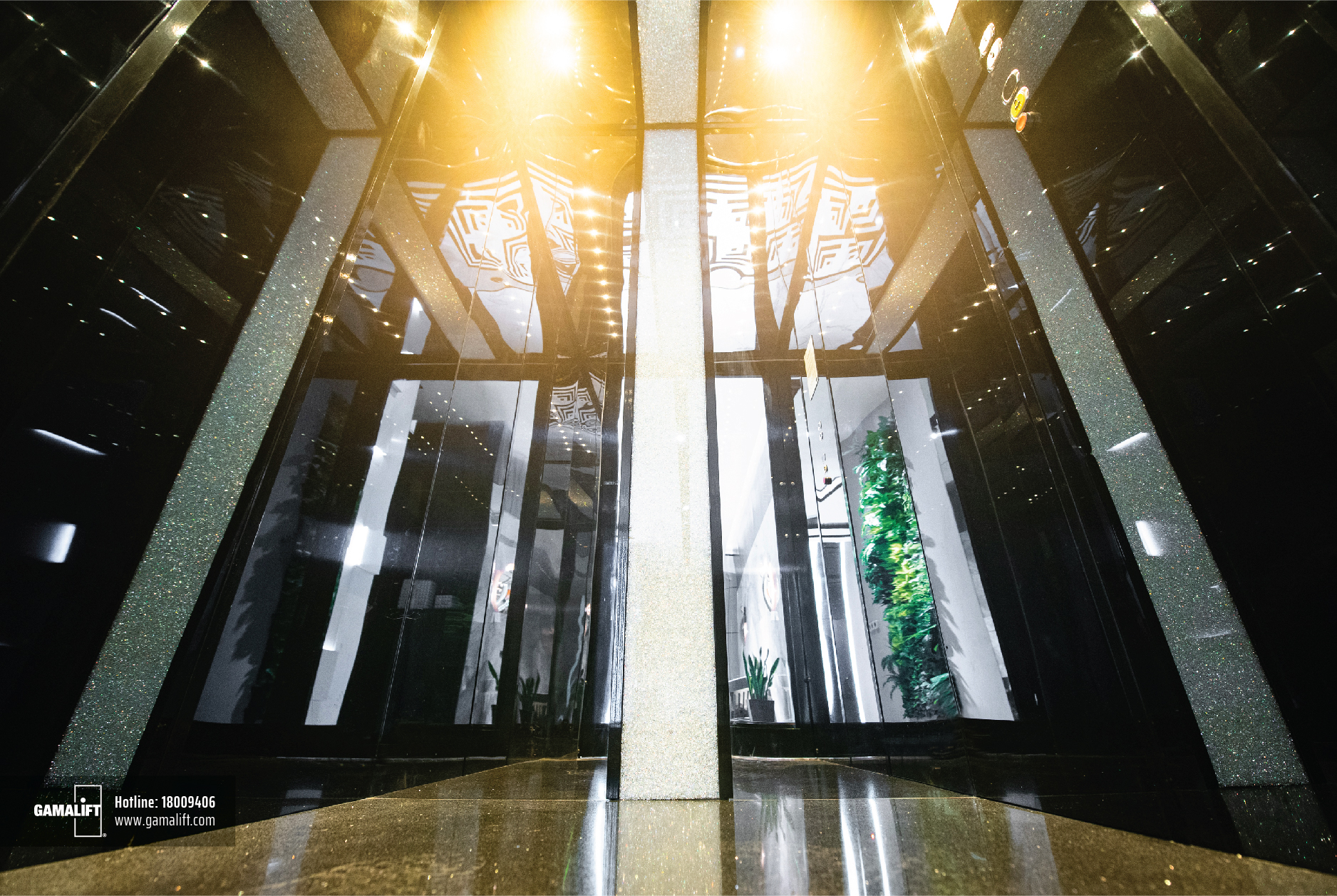
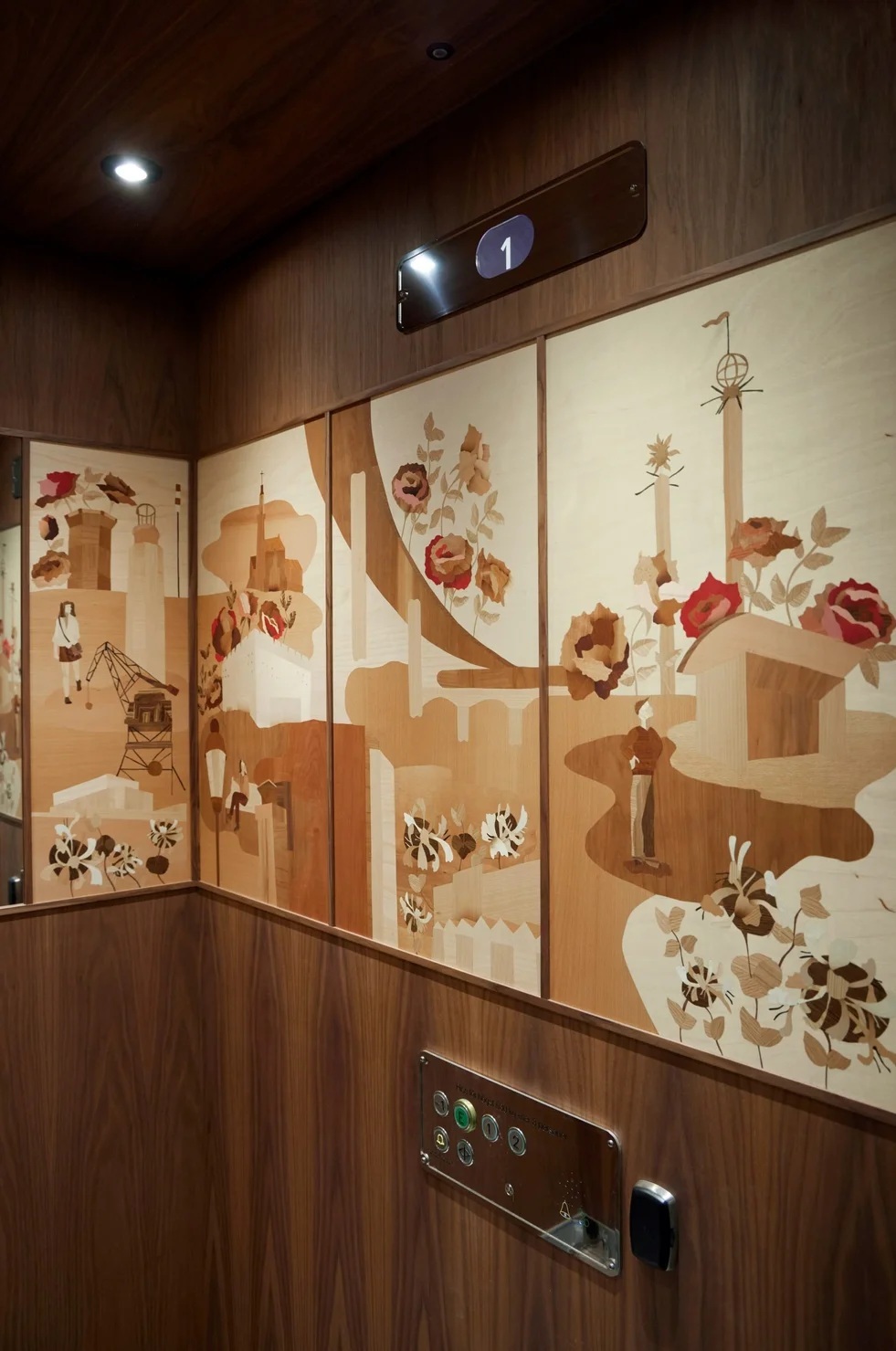
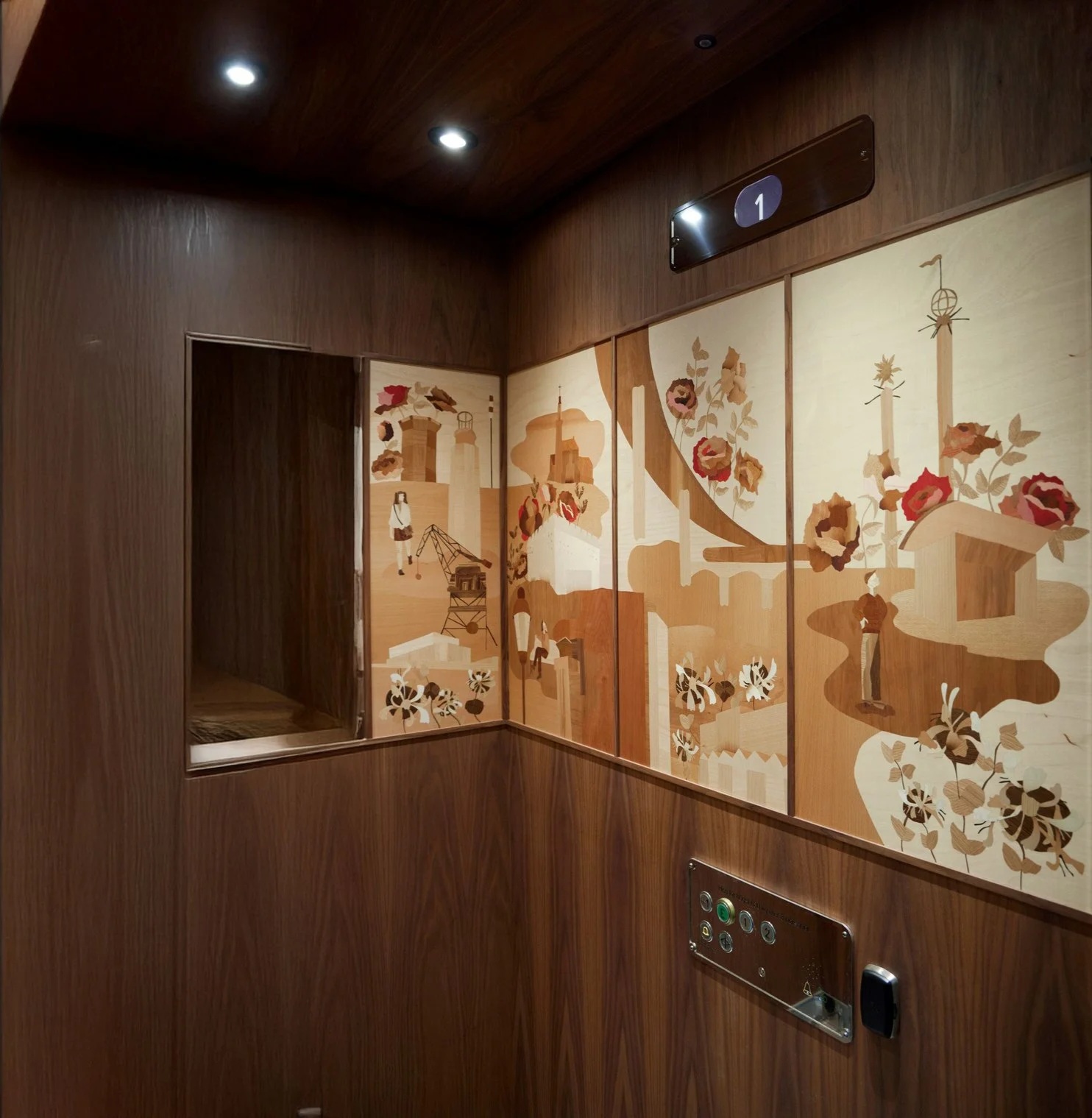
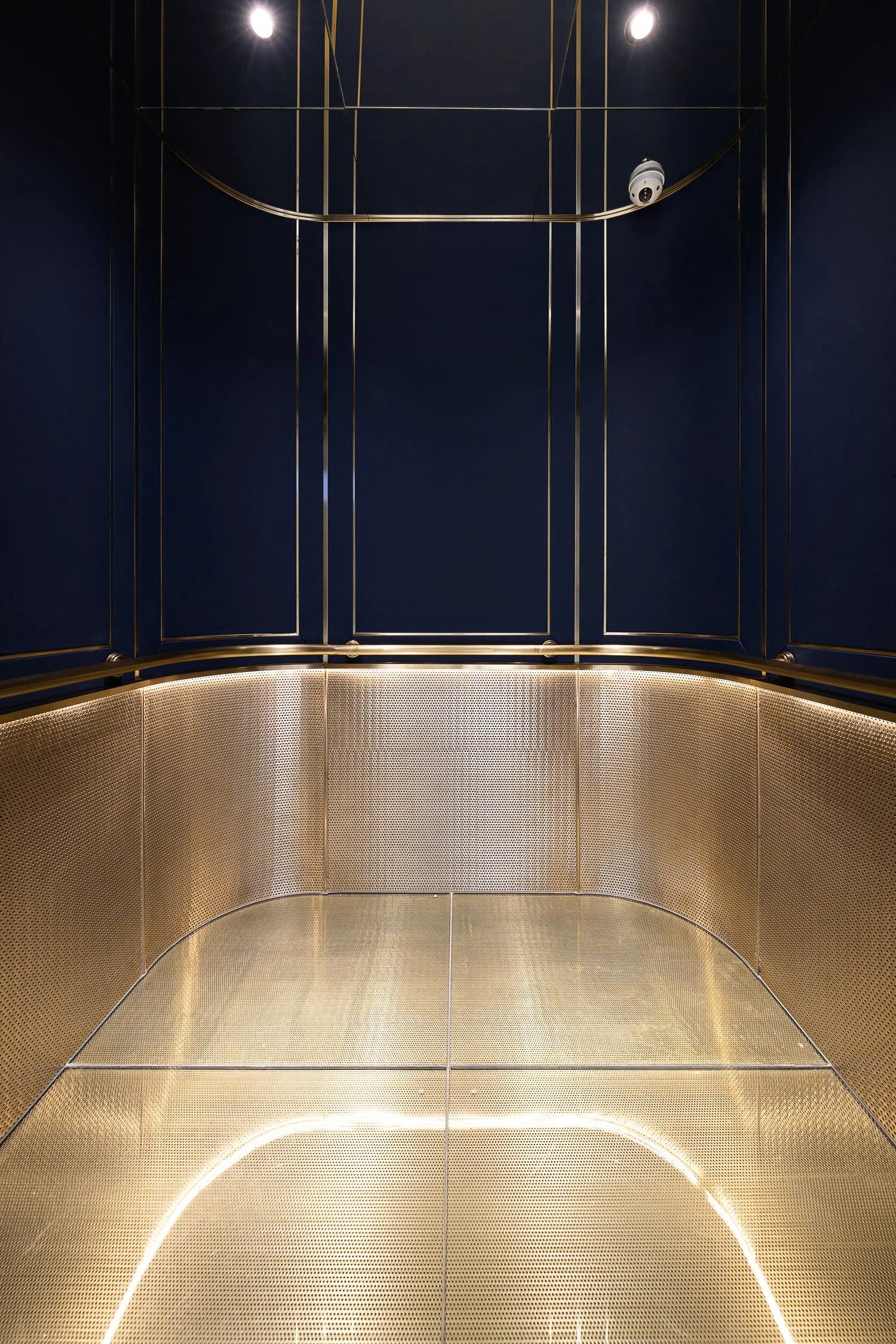
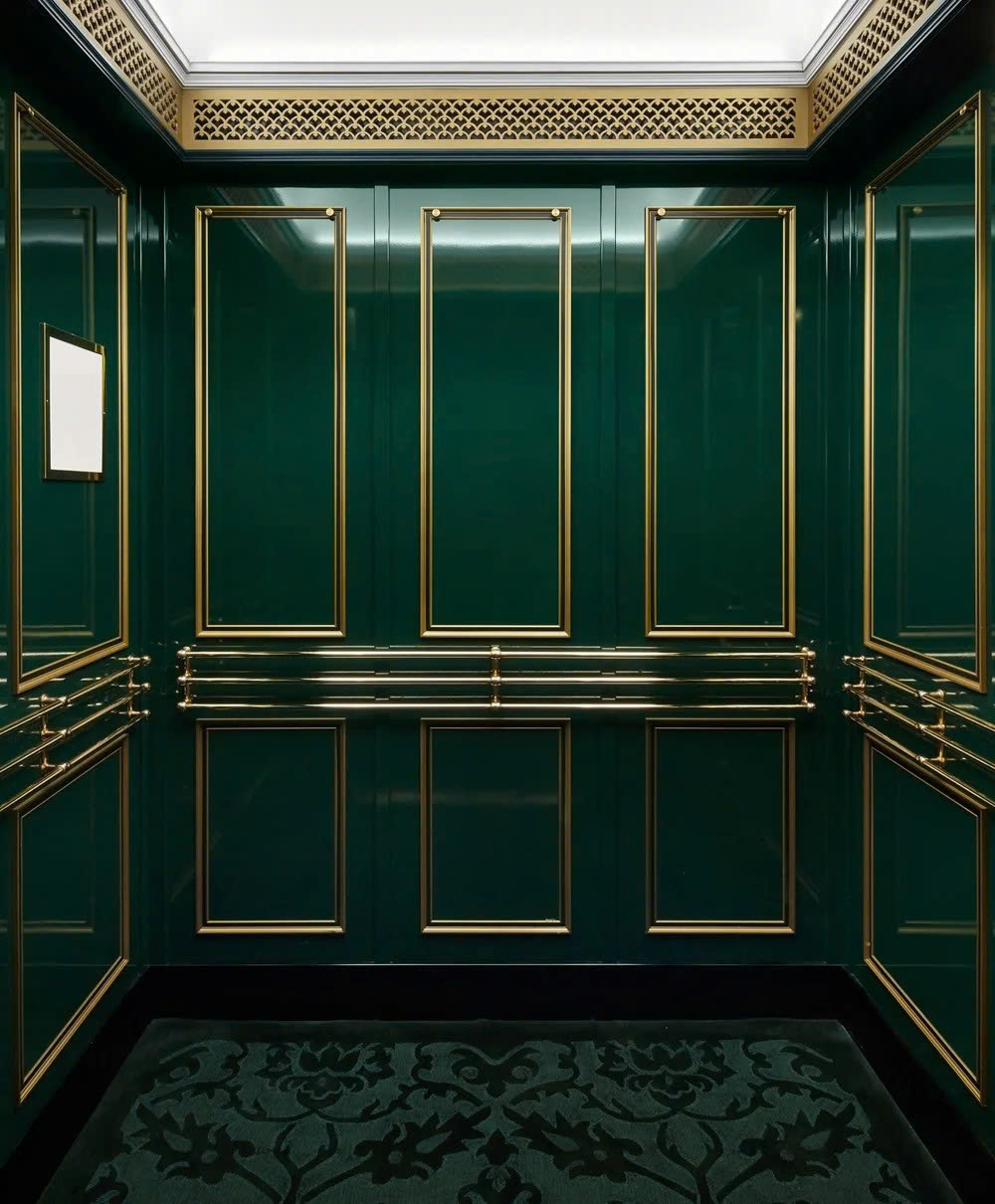
KONE and the children’s hospital elevator projects with human-centered designs inspired by fairy tales GamaLift – A story bridging the past and the future GamaLift with Swarovski Schindler and the Stadtcasino Basel project And other notable projects…
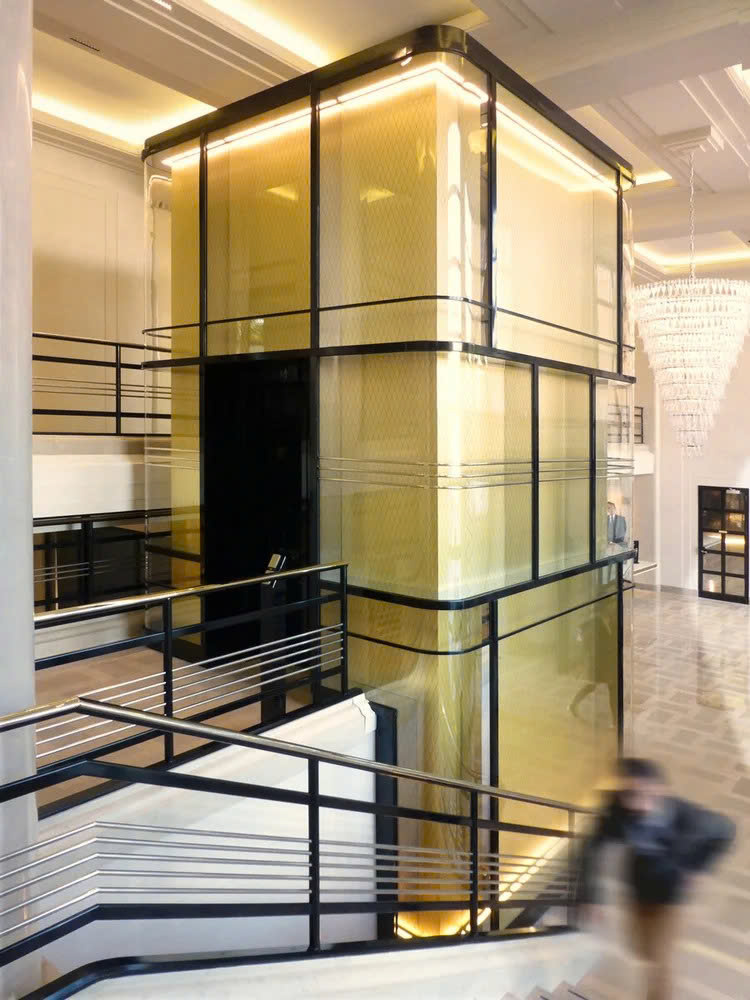
GamaLift – A Dialogue Between the Past and the Future