New Trend: Elevator Interior Architecture – Defining Building Style
EM – There was a time when elevators were considered the jewels of building design — intricately crafted, shaped like “miniature apartments” that carried people soaring into the sky and then back to the ground. So why has this space been forgotten today?
Renowned interior designer Jonathan Baron has spent nearly 30 years refurbishing luxury buildings across America’s glamorous New York City. He understands clearly that elevator interior design is now often considered an afterthrough. Most investors are consistently eager to discuss lobby and corridor design — but almost no one pays attention to the elevator. “They just need to create a box and call it done,” Baron shared.
In the past, elevators served as an important transitional space, not only functional but also creating aesthetic continuity from the lobby to the corridors, fully embodying the spirit of the building.
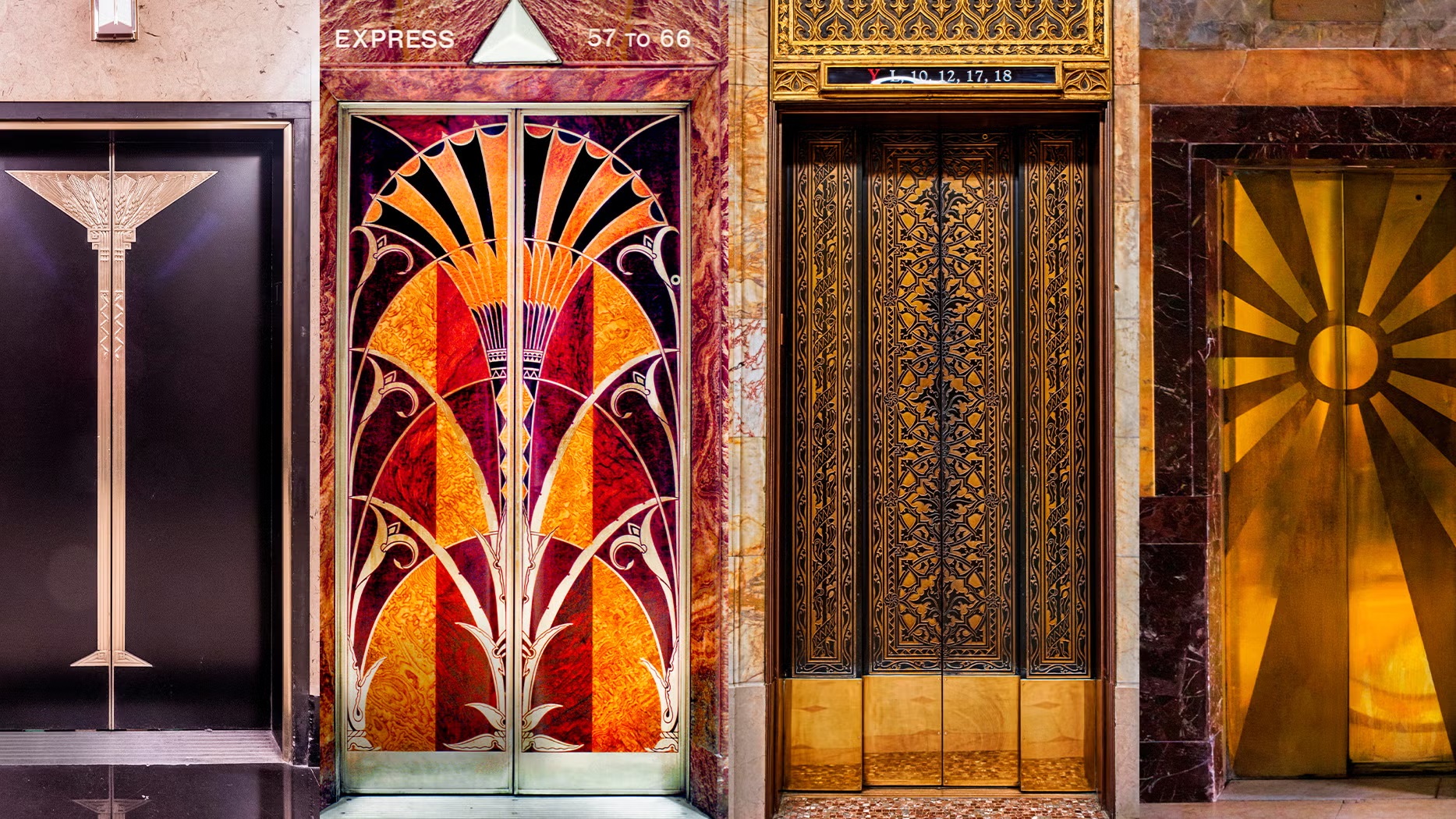
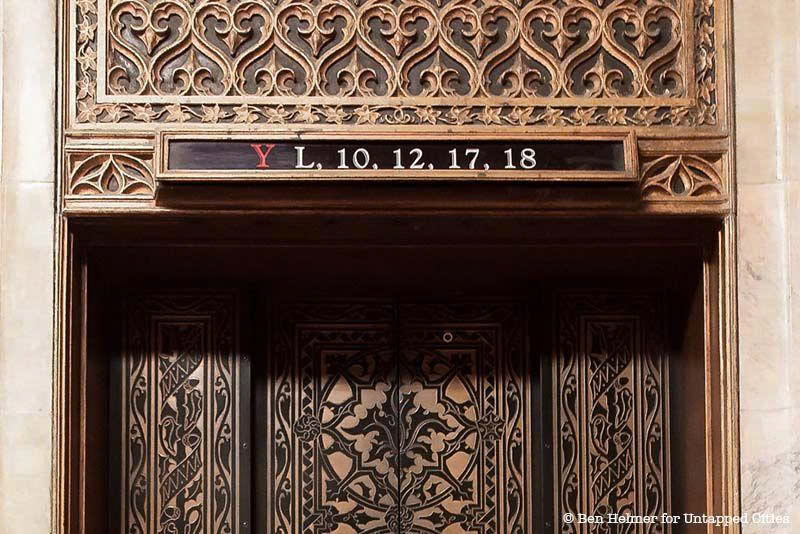
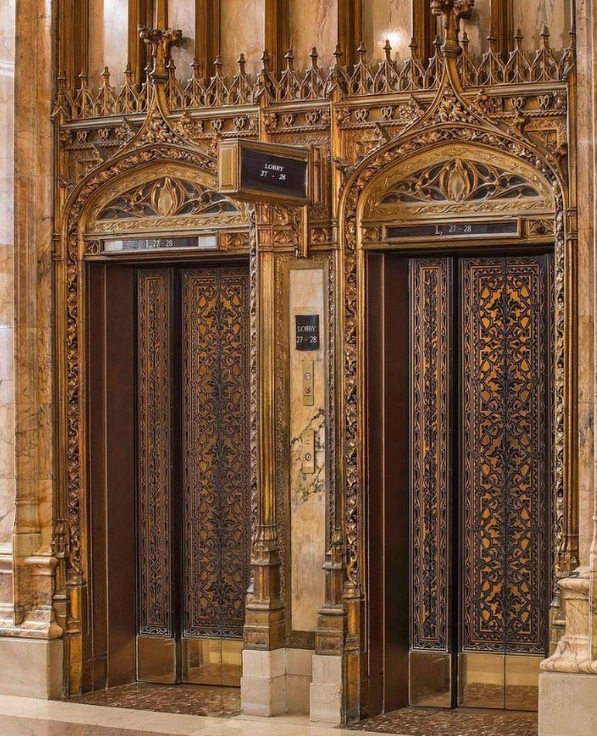
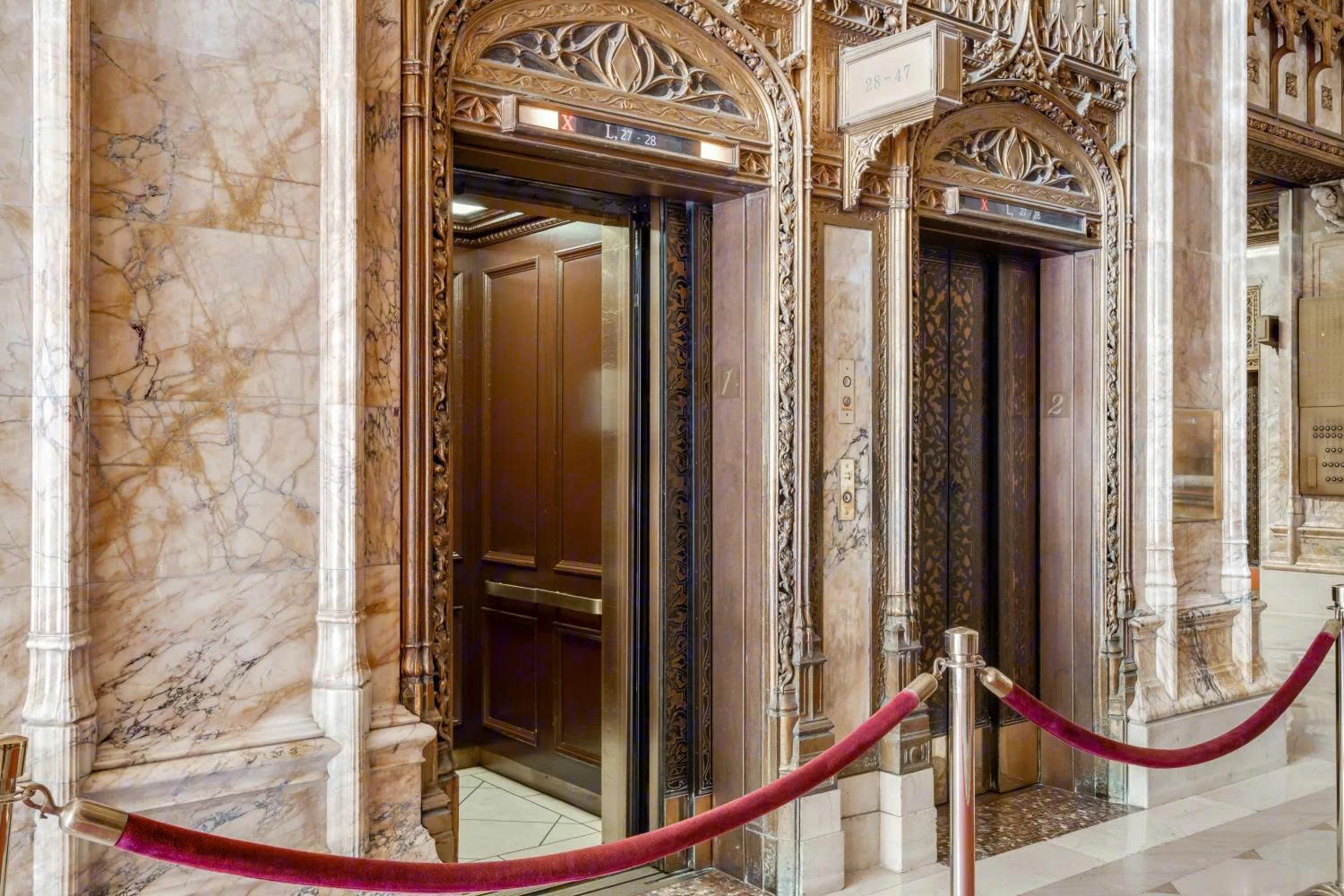
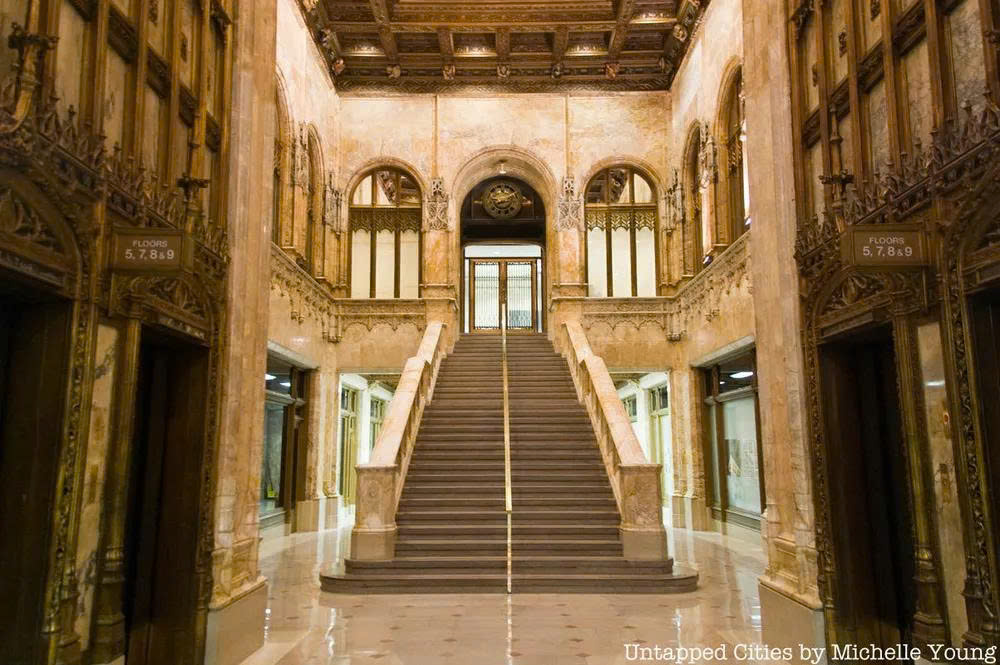
A prime example is the Woolworth Building in New York, once the tallest skyscraper in the United States for decades during the early 20th century. The intricate patterns on its elevator doors were designed by architect Cass Gilbert to harmoniously reflect the beauty of marble and brass featured throughout the building, showcasing a timeless Gothic elegance.
Elevators at the Woolworth Building, New York (USA)
Interior designer Jonathan Baron affirms: “The elevator is the most
intimate experience a person can have inside a building.”
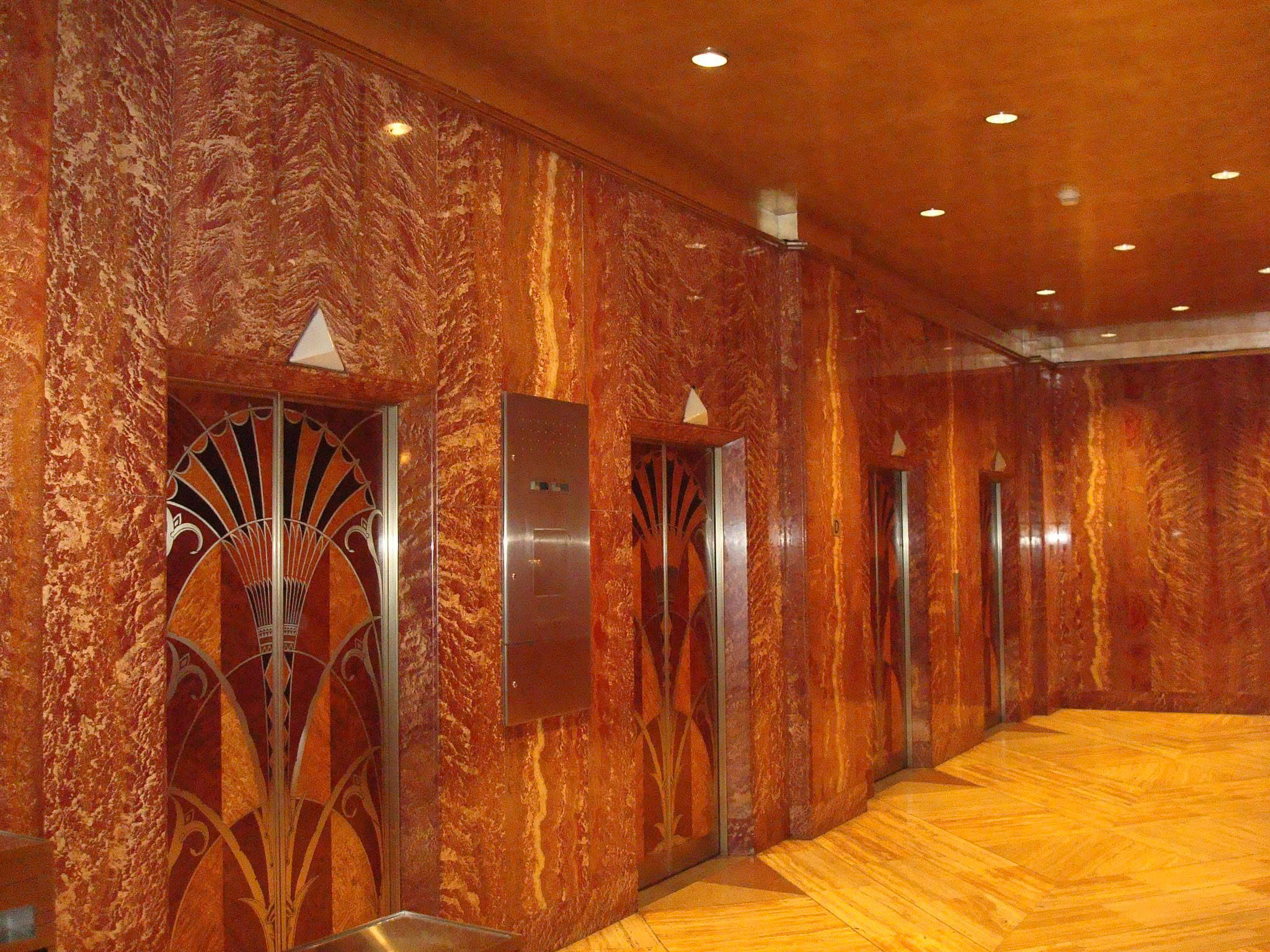
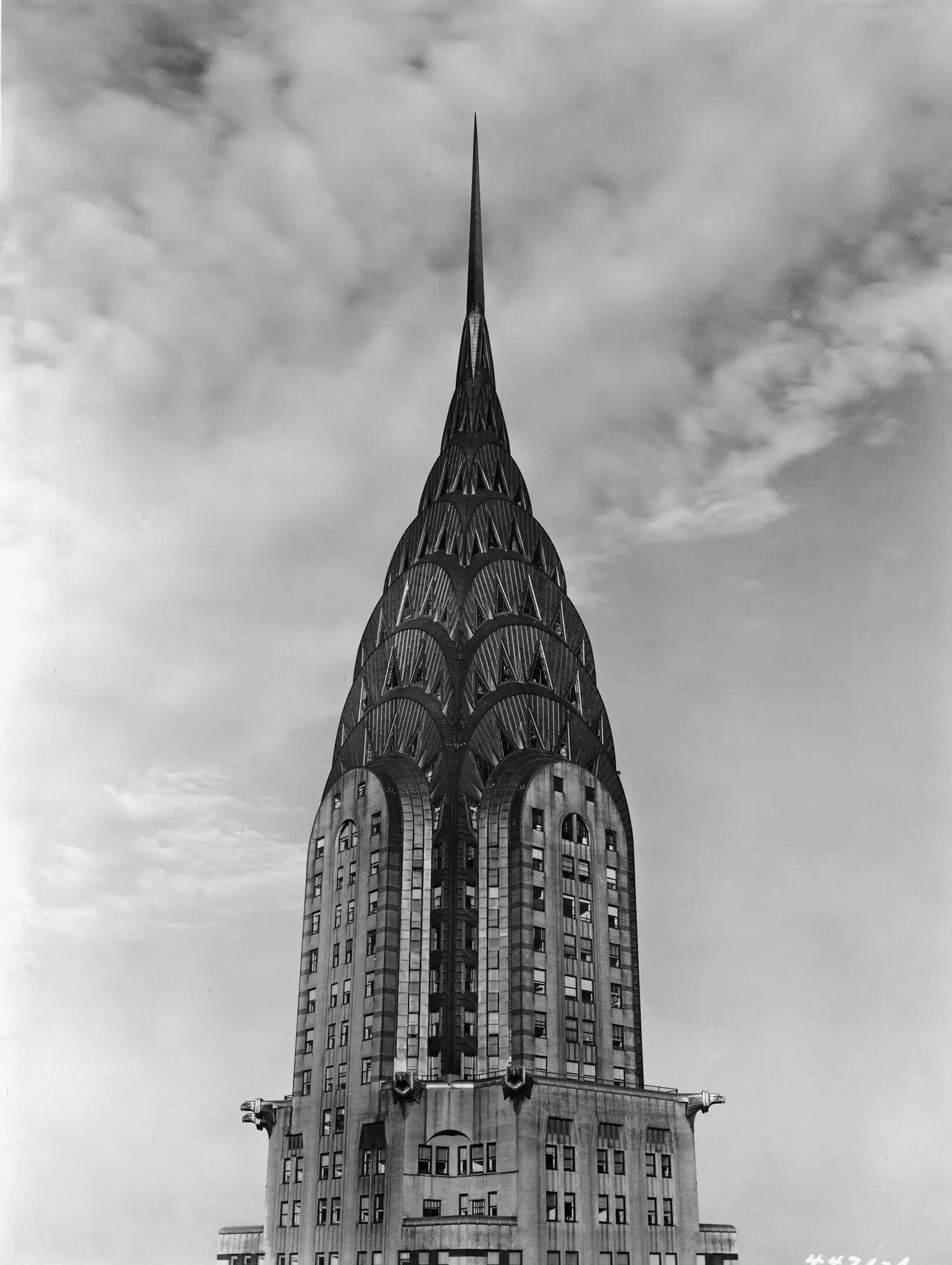
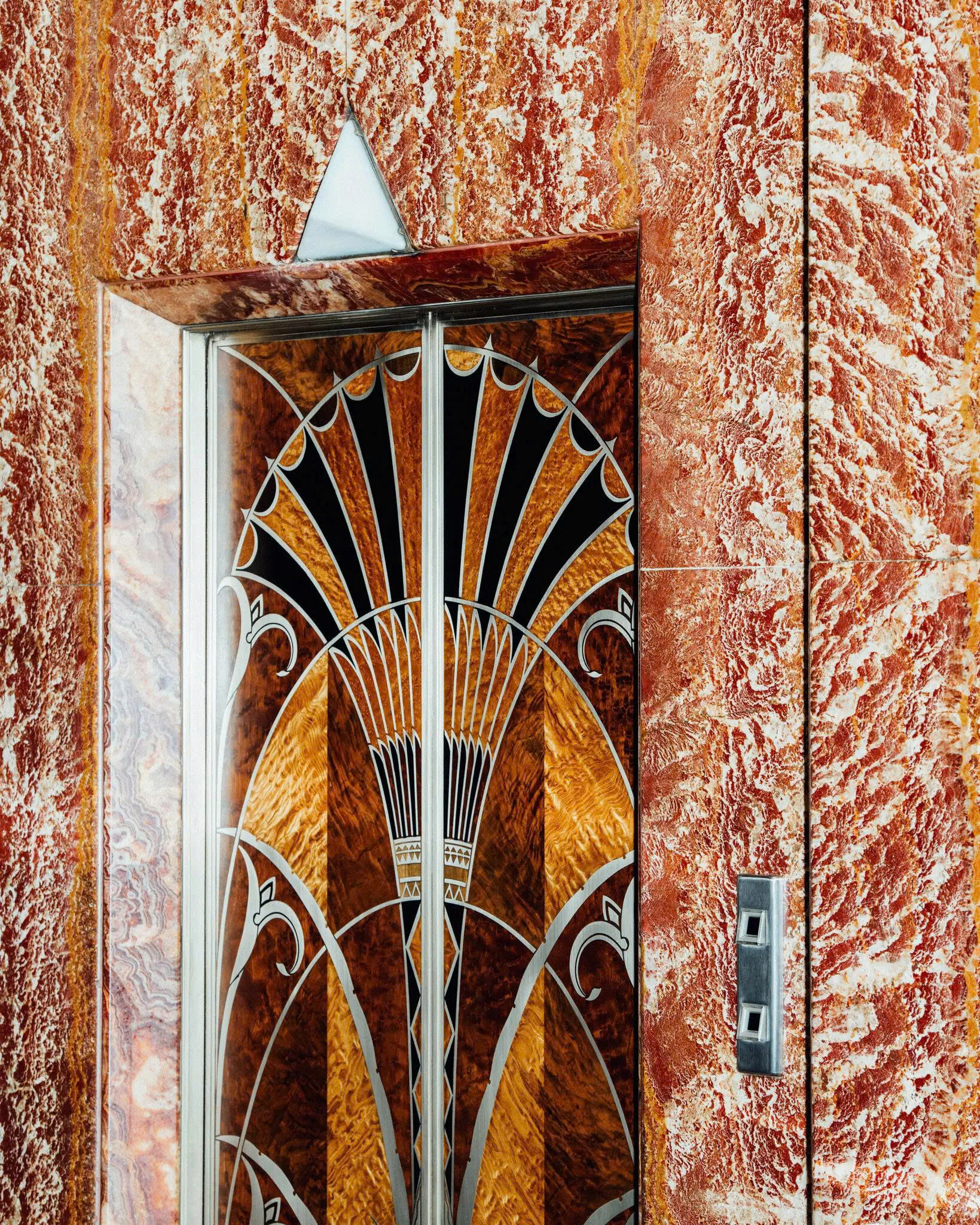
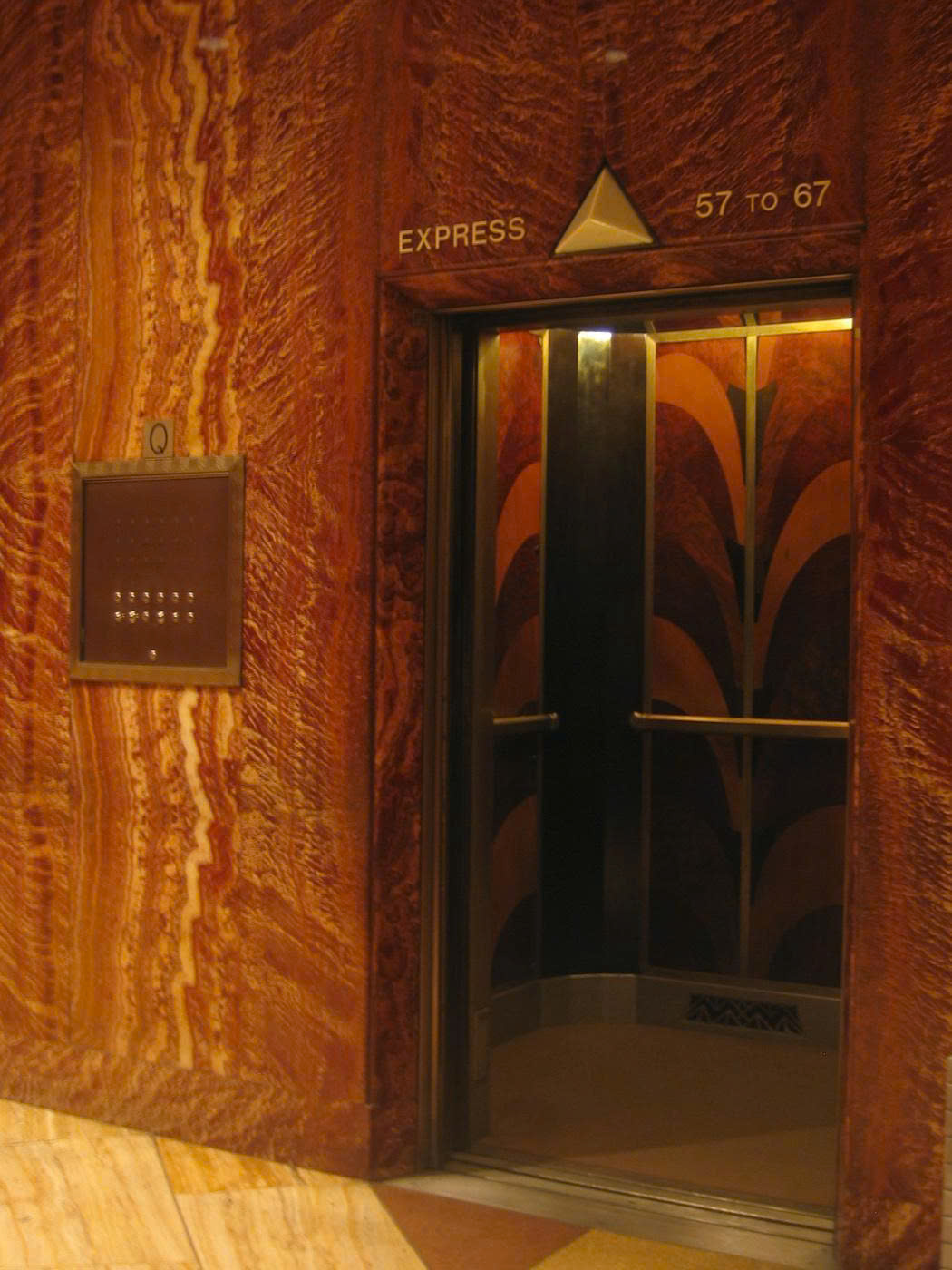
Perhaps that is why, a century ago, elevators were considered architectural masterpieces. When looking at the Art Deco–style elevator doors of the Chrysler Building (USA) or the intricately woven steel mesh elevator cabs of the Seagram Building (USA), we can clearly see that spirit of creativity. Even, many components from historic elevators have even been displayed in exhibitions at the National Building Museum in Washington, D.C. (USA).
The Chrysler Building (USA)
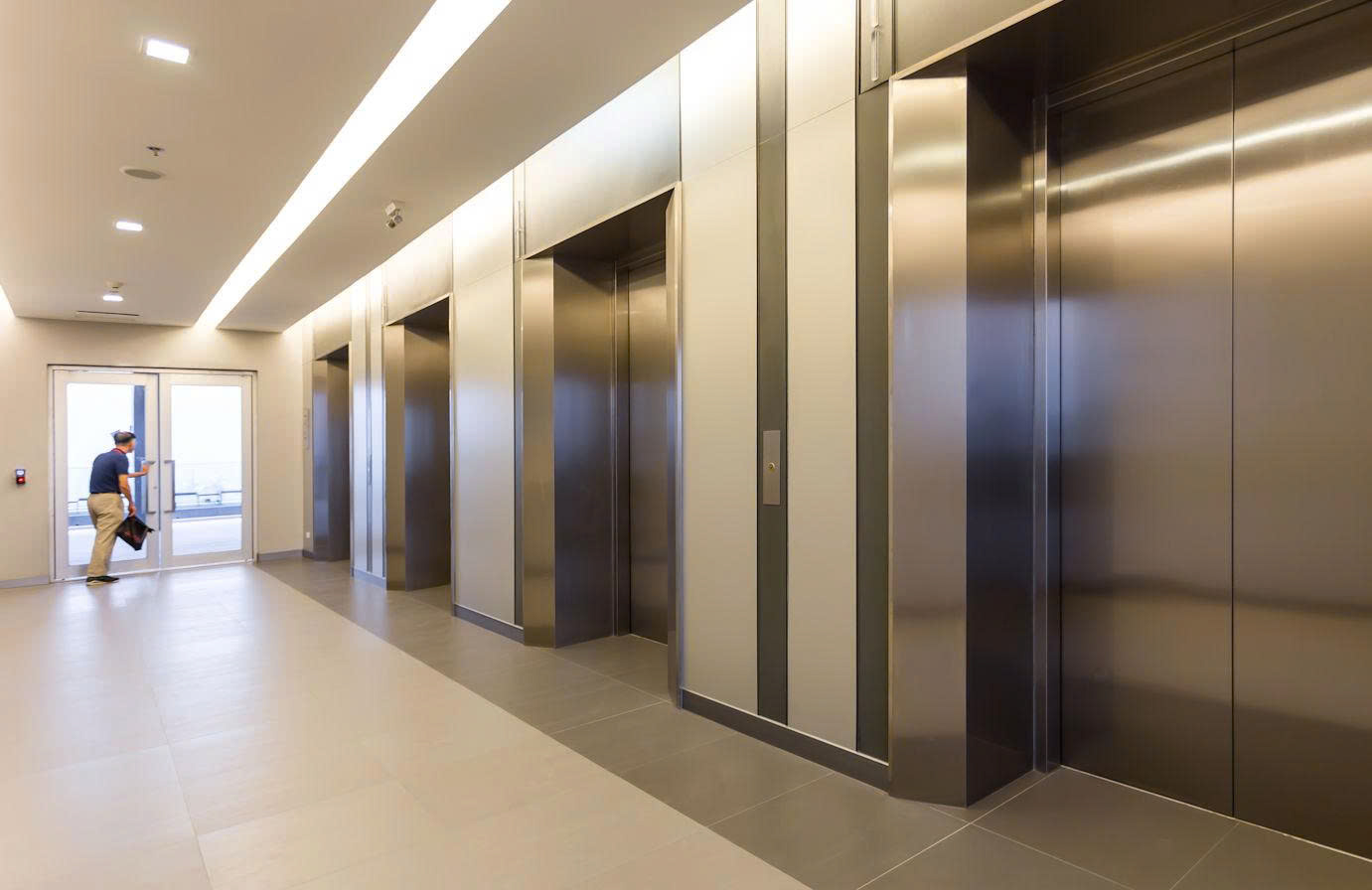
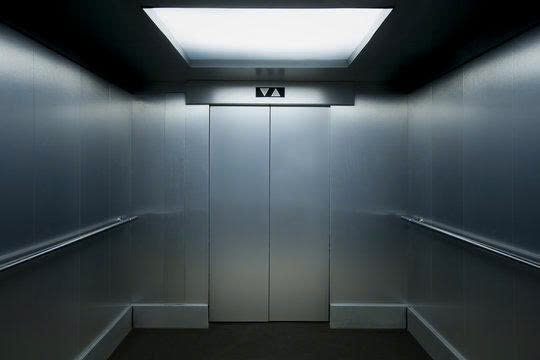
However, in today’s context, elevators are largely reduced to purely functional elements. The contrast between the splendid beauty of the Woolworth Building (1913) and the predominantly minimalist metal cabs of modern elevators signify a marked shift in design perception.
The aesthetic “decline” of elevators stems from multiple causes. One of the most significant issues concerns budget and prioritization.
Interior designer Baron noted that while investors he works with are very eager to discuss lobby and corridor design, elevator installation is often delayed until the project’s final stages — by the time the budget is already exhausted.
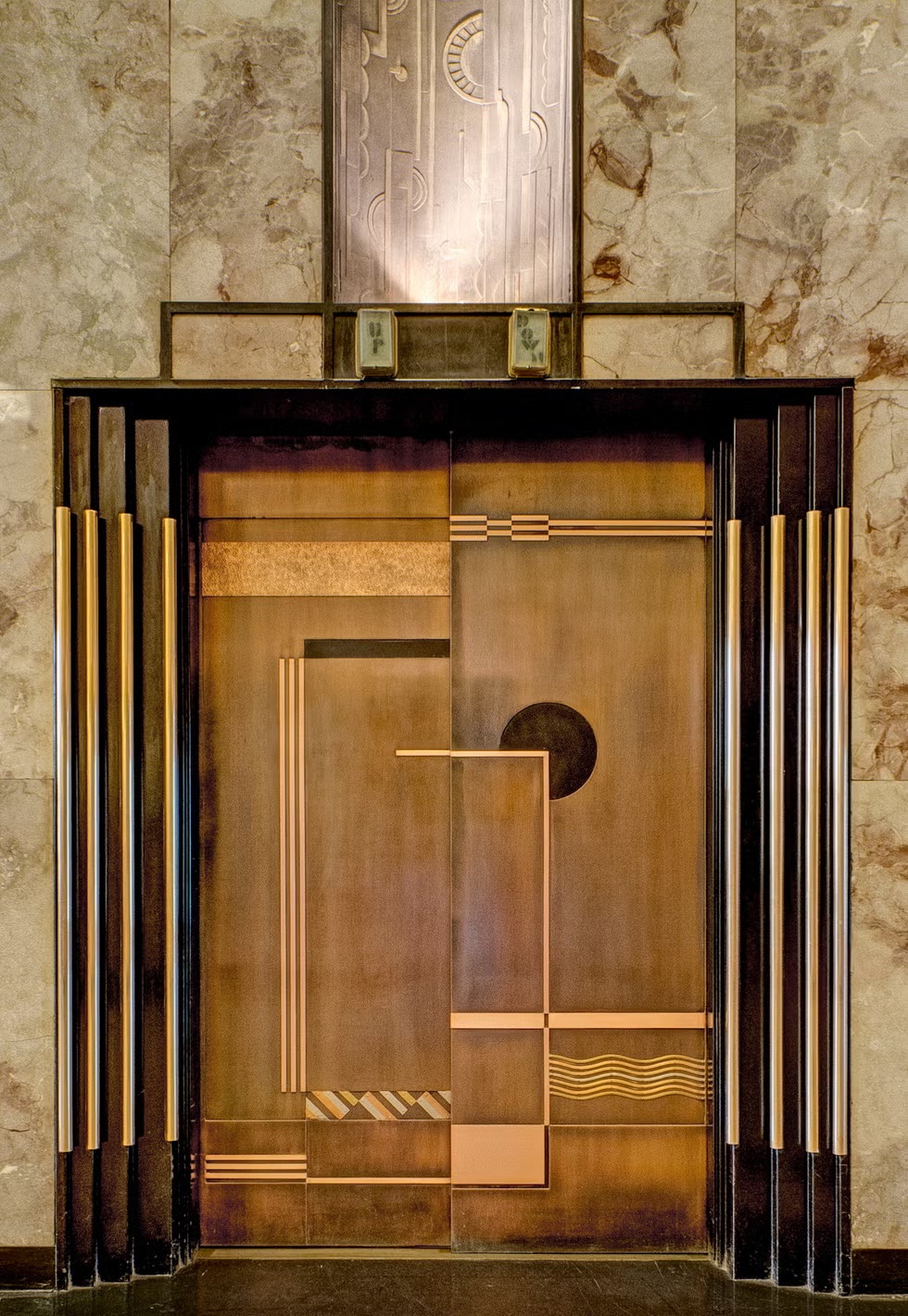
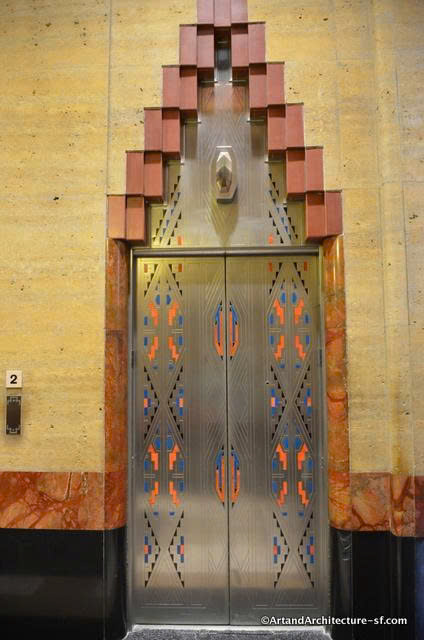
The Bullocks Wilshire Building in Los Angeles (USA) was completed in 1929.
In addition, modern elevators are often constructed with long-term durability in mind. Interior designer Marilyn Sygrove, a specialist in luxury condominium projects, observes: “The elevator cab is often one of the longest-lasting designed spaces in a building.”
While a lobby can be renewed merely by replacing the carpet or furniture, an elevator requires a complete rebuild and installation. Consequently building owners tend to opt for neutral, minimalist designs that can easily adapt over time.
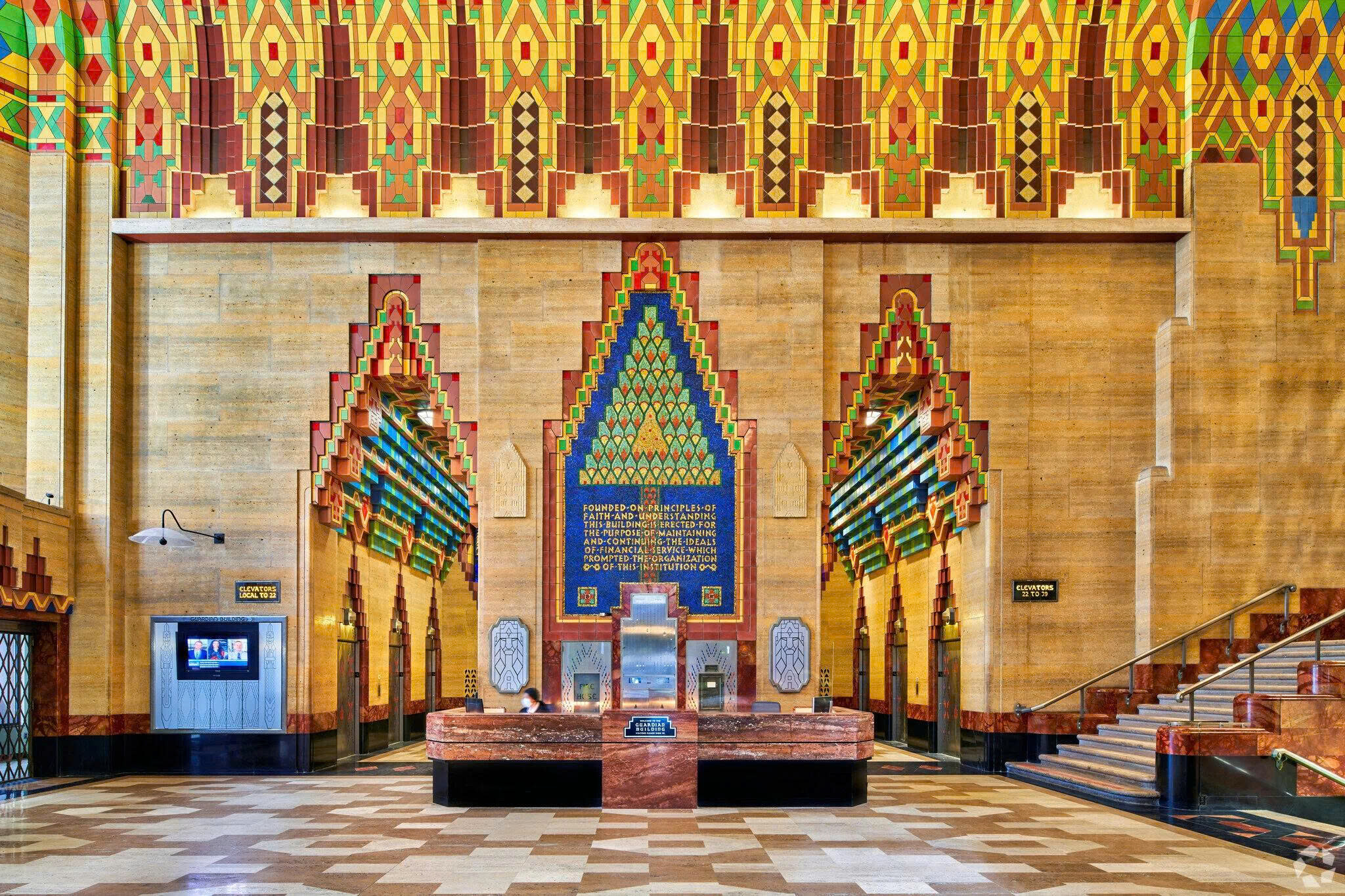
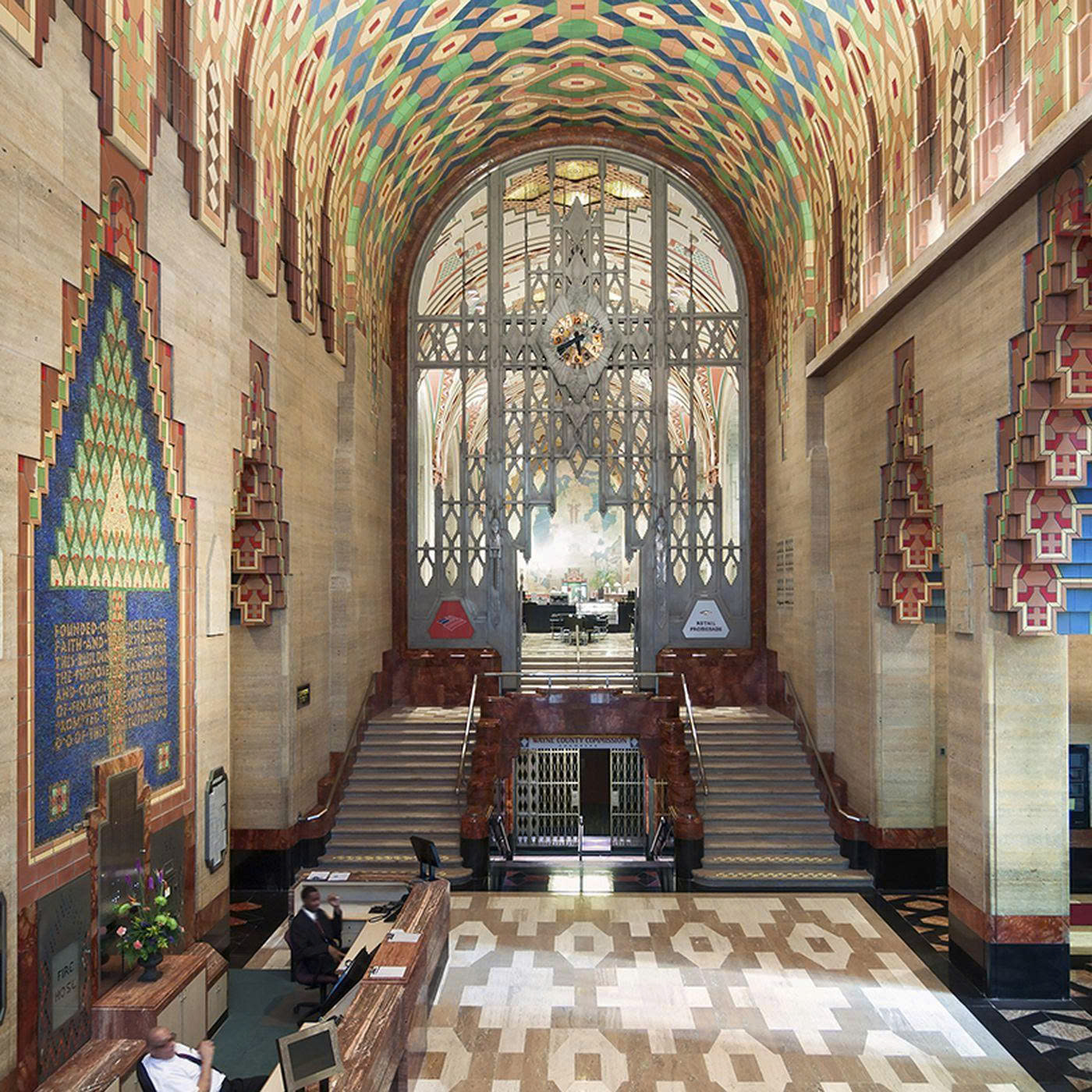
Tòa nhà Guardian (Mỹ) được xây dựng vào năm 1929.
The aesthetic shift in elevator design also reflects changes in culture. In the 1870s, when passenger elevators first became common, they were viewed as “death traps.” To reassure the public during those early elevator rides, many buildings designed elevator cabs to resemble living rooms in apartments — with chandeliers, velvet sofas, mirrors, and more.
However, as elevators transitioned from hydraulic systems to electric traction motors, travel time was significantly reduced, and the technology quickly became familiar. Stepping into an elevator soon felt as ordinary as riding the subway, causing buildings to lose interest in “elevating the experience.”
According to Professor Andreas Bernard of Leuphana University in Germany — author of Lifted: A Cultural History of the Elevator. “The interplay of these factors has left modern elevators far poorer in design.”
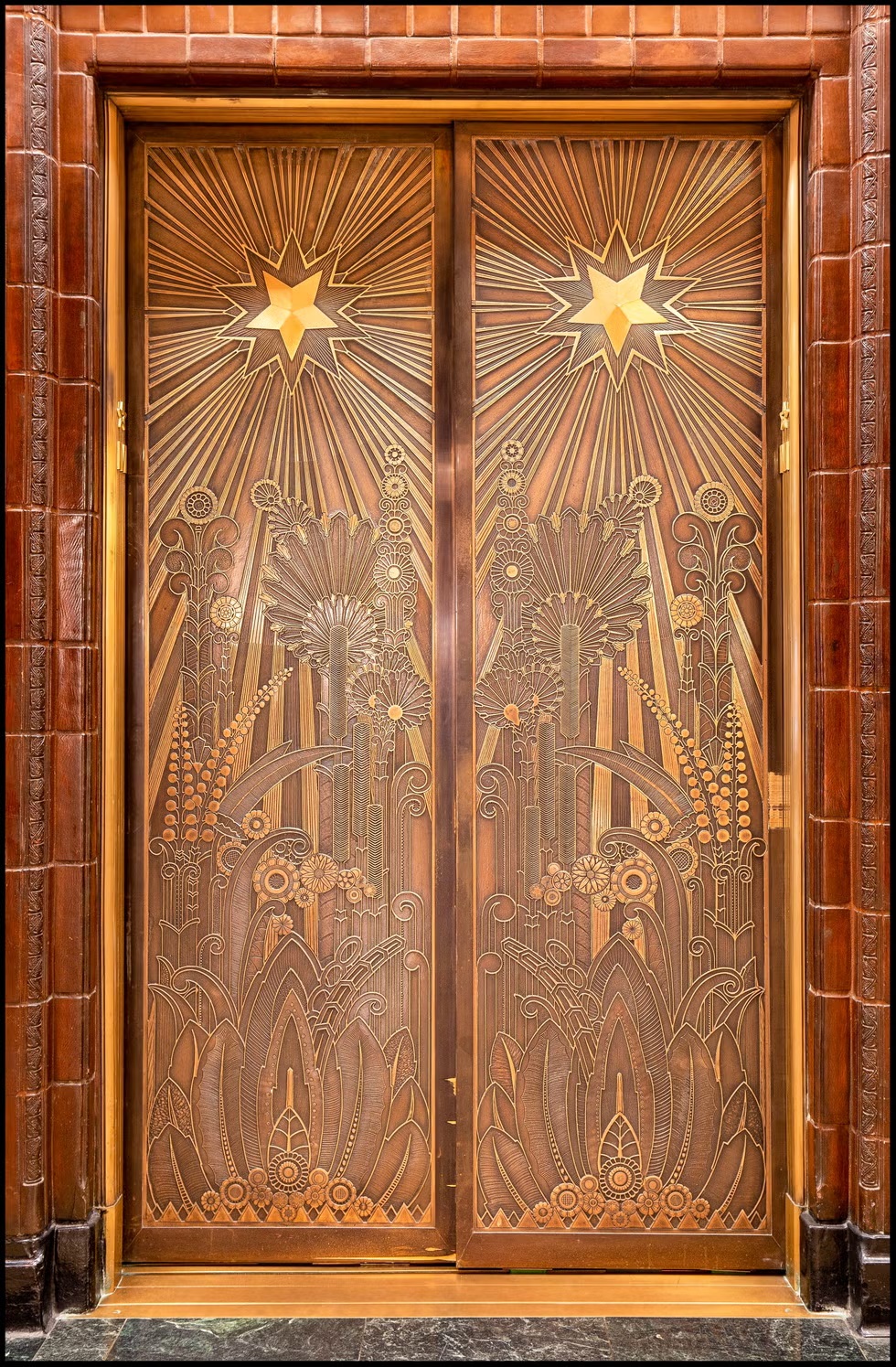
The Marine Building in Vancouver, Canada, was built in 1930.
By the mid-20th century, elevator cabs had gradually simplified into boxes painted pink or blue, and later became commonly finished with laminate plywood mimicking wood, stone, and other textures. Manufacturers offered an extensive catalog of ready-made materials and colors in product catalogs, allowing investors and architects to choose easily without much creative consideration.
While this method occasionally resulted in pleasing minimalism, it could also make elevators seem adrift from the surrounding architecture, diminishing their capacity to express the building’s spirit and story.
Nevertheless, elevator aesthetics have not vanished entirely. Personalized elevator designs — where cabs more beyond generic material boxes to become storytelling spaces tied to a building’s identity and cultural context — remain valued by many architects and investors.
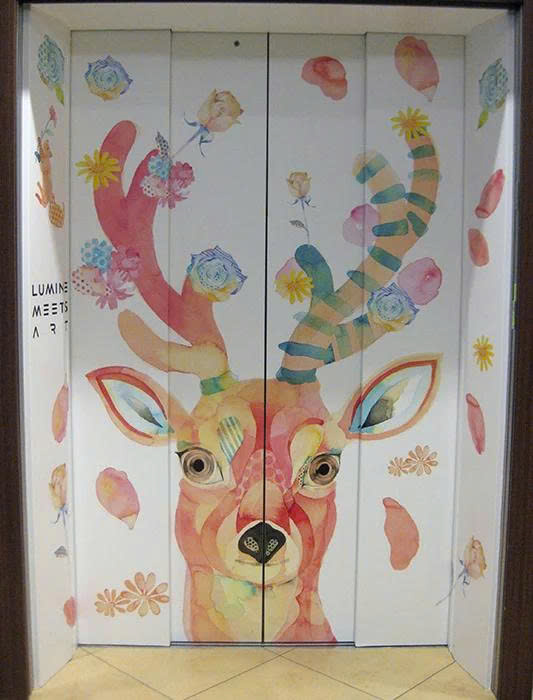
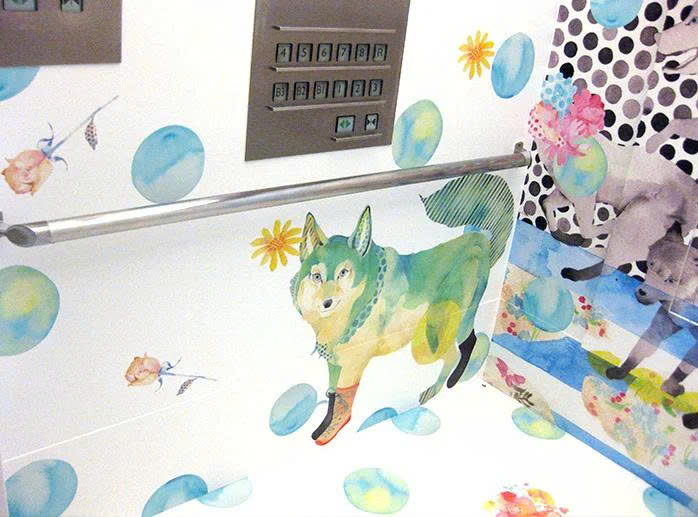
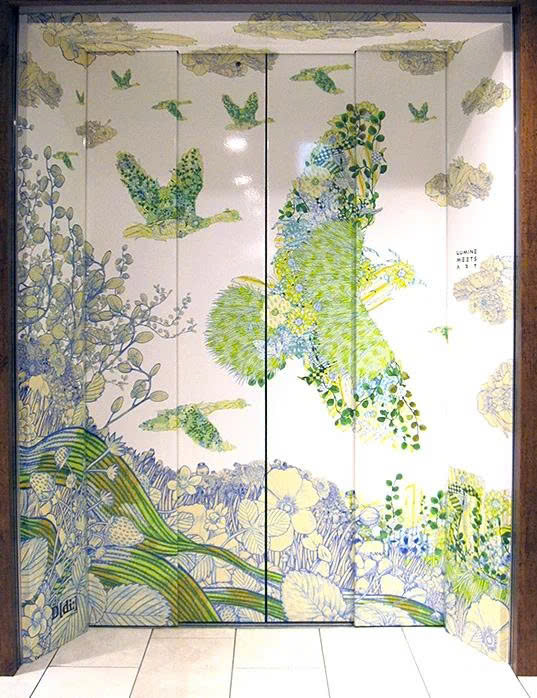
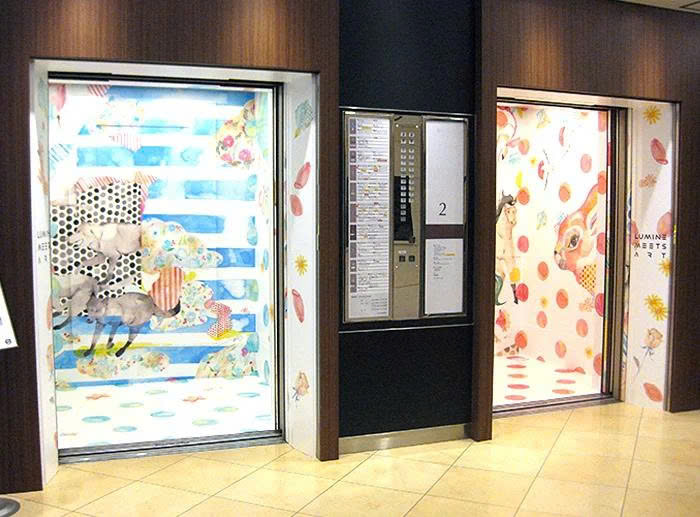
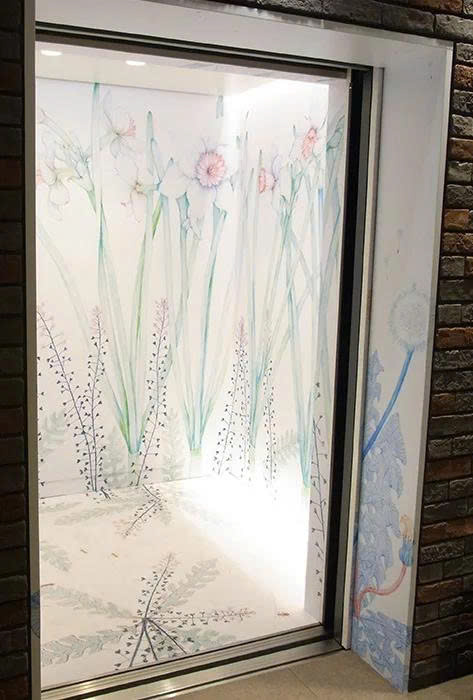
A prime example is the Lumine shopping center in Tokyo. Instead of plain metal elevator cabs, Lumine has transformed the space from lobby to cab into “gallery-like” environments with a mystical, fairytale style. Each elevator here is tied to a story or aspect of Japanese culture, elevating the travel experience into an aesthetic journey while reinforcing the brand identity.
Lumine Shopping Center (Japan)
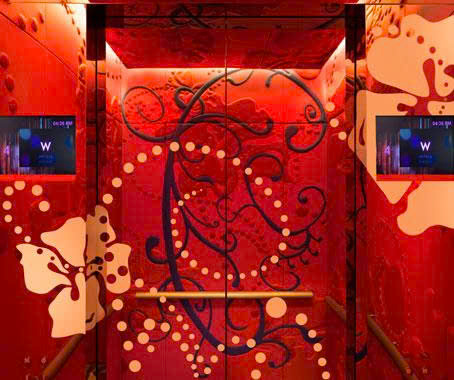
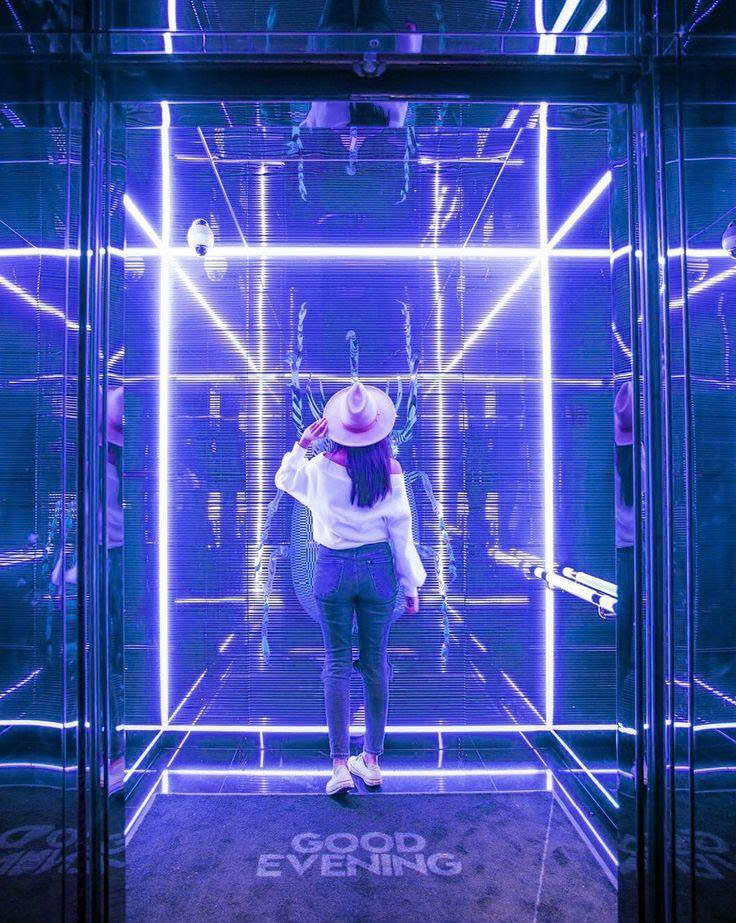
Similarly, the W-Hotel chain has skillfully transformed elevators into visual highlights and marketing tools. By designing unique cabs — from neon-lit beetle-shaped elevators in Brisbane (Australia) to bright red cabs at Sentosa Cove (Singapore) — W-Hotel cleverly encourages guests to check in and voluntarily create a free promotional channel.
However, this vision is still far from widespread. Joshua Nelson, founder of a studio specializing in elevator interior design, admits that the battle for elevator design remains challenging: “I can present inspiring ideas and historical examples, but it all falls into a void.” Most buildings still lack decisiveness in elevator design.
In Vietnam, amid the urban boom and high-rise projects, most elevators remain purely functional and neutral in design. Cabs are mostly basic stainless steel, lacking innovation in materials or patterns that could create spatial continuity, storytelling, or reflect the overall culture of the building.
Perhaps, as long as we continue to see elevator rides as a few brief but uncomfortable minutes — squeezing in, holding our breath, staring at our phones, and waiting for it to be over — there will never be motivation to revive the aesthetic charm and wonder of historical elevators. In other words, a new era of elevator design may need to start with us.